Ever wondered just how much data your favorite online games devour when you are tethered to a mobile hotspot? Many gamers face this crucial question daily. Understanding data consumption is vital for avoiding unexpected charges and ensuring smooth gameplay on limited data plans. This comprehensive guide, updated for 2026, delves into the specifics. It covers typical data usage for various game genres, offering practical tips and settings optimization strategies. We explore popular titles like Call of Duty Warzone, Fortnite, and Apex Legends, alongside MOBA, RPG, and Indie games. Learn how to minimize data usage without sacrificing your gaming experience. Discover essential insights into ping, FPS drops, and stuttering fixes when relying on a hotspot. We provide actionable advice to maximize your mobile gaming freedom and enjoy seamless sessions wherever you go. This is your ultimate resource for navigating hotspot gaming data in the modern era.
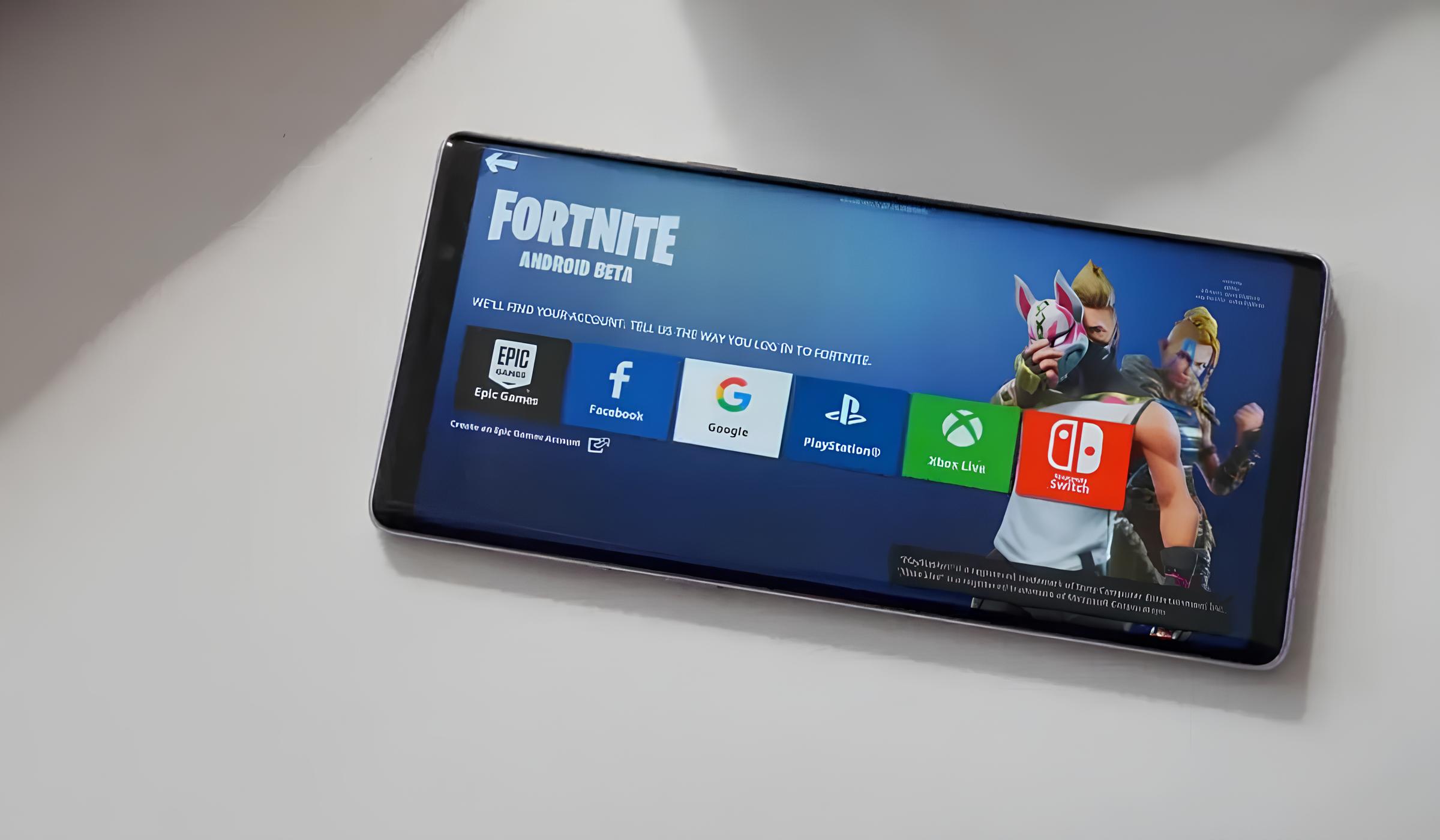
Welcome to the ultimate living FAQ for 'How Much Data Does Gaming on Hotspot Use' for 2026! This comprehensive guide is your go-to resource, constantly updated to reflect the latest network advancements and game patches. We know the struggle is real when balancing mobile freedom with precious data limits. From understanding basic data consumption to advanced optimization techniques, this post covers over 50 of the most asked questions. Dive in for essential tips, clever tricks, detailed guides, and even solutions for common bugs or FPS drops you might encounter. Whether you're a casual player or aiming for endgame glory, we've got the answers to keep you connected and gaming seamlessly. Let's unlock the secrets to efficient hotspot gaming together. H3: How much data does Fortnite use on a hotspot per hour? Fortnite typically uses between 150MB to 250MB per hour on a hotspot for active gameplay. This can fluctuate based on game mode, number of players in your match, and whether you're using in-game voice chat. Always account for background updates as they consume significantly more. H3: Is 1GB of data enough for gaming on a hotspot? 1GB of data is generally enough for 3-6 hours of gaming on a hotspot if you play data-efficient games like MOBAs or Indie titles. For high-demand games like Battle Royales, 1GB might only last 2-4 hours, making it less sustainable for extended sessions. H3: How can I reduce data usage while gaming on my phone's hotspot? To reduce hotspot data usage, lower in-game graphics settings, disable voice chat, and ensure no background apps are updating or syncing. Prioritize playing data-friendly game genres and always perform large game updates on a Wi-Fi connection. H3: Does mobile hotspot gaming cause lag? Yes, mobile hotspot gaming can frequently cause lag due to higher ping and less stable connections compared to wired internet. Factors like signal strength, network congestion, and the distance to the cell tower significantly impact latency and can lead to FPS drops. H3: Which games use the least data on a hotspot? Games that use the least data on a hotspot include turn-based strategy games (like Hearthstone), most MOBA titles (like League of Legends), indie games with simpler graphics, and online card games. These typically consume 50-150MB per hour, allowing for longer playtimes. H3: Is gaming on a hotspot bad for your phone? Gaming on a hotspot isn't inherently bad for your phone, but it can drain your battery quickly and cause the device to heat up due to increased CPU/modem usage. Consistent overheating can potentially shorten battery lifespan over time, so consider external power. H3: Can 5G hotspot be used for gaming? Yes, a 5G hotspot can be excellent for gaming, offering significantly lower latency (ping) and faster speeds than 4G. This leads to a smoother, more responsive gaming experience, particularly beneficial for competitive titles and even enabling some cloud gaming. H2: Beginner Questions H3: What is a mobile hotspot and how does it work for gaming? A mobile hotspot transforms your smartphone's cellular data connection into a Wi-Fi signal, allowing other devices like your gaming PC or console to connect to the internet. For gaming, it provides internet access when traditional Wi-Fi is unavailable, making mobile internet accessible for your preferred gaming platform. It essentially acts as a portable router using your phone's data plan. H3: How much data does an hour of gaming consume on average with a hotspot? An hour of gaming on a hotspot can consume anywhere from 50MB for very light games to over 500MB for graphically intense, fast-paced titles like Battle Royales. The average hovers around 150-300MB per hour for many popular multiplayer games. Always check specific game requirements. H3: Is it possible to play online multiplayer games using a phone hotspot? Yes, it is absolutely possible to play online multiplayer games using a phone hotspot. Many gamers use this method when traveling, at a friend's house, or if their home internet is down. The experience quality largely depends on your phone's signal strength and network speed. H3: What's the main difference between 4G and 5G hotspots for gaming data? The main difference isn't that 5G uses *less* data, but that it provides much faster speeds and significantly lower latency (ping) than 4G. This results in a smoother, more responsive gaming experience on 5G, with fewer lags and faster downloads, although the game's actual data consumption per hour remains similar. H2: Game Genres & Data Usage H3: How much data does Call of Duty Warzone use on a hotspot? Call of Duty Warzone is a data-heavy game, typically consuming 200MB to 500MB per hour or even more on a hotspot. Its large maps, high player count, and constant action require significant data exchange. Playing for extended periods will quickly deplete limited data plans. H3: What about data for MOBA games like League of Legends or Dota 2 on a hotspot? MOBA games like League of Legends and Dota 2 are surprisingly data-efficient, usually consuming only 50MB to 150MB per hour on a hotspot. Their gameplay mostly involves transmitting commands and player positions, making them excellent choices for limited data. H3: Does playing an MMORPG like World of Warcraft on a hotspot use a lot of data? Playing an MMORPG like World of Warcraft on a hotspot typically consumes around 100MB to 300MB per hour. This can vary based on the number of players in your area, instanced content, and specific activities. Initial game downloads or large patches will be much higher. H3: How data-friendly are indie online multiplayer games on a hotspot? Indie online multiplayer games are generally very data-friendly on a hotspot, often using less than 100MB per hour. Their simpler graphics and optimized network code minimize data exchange, making them ideal for gamers with strict data caps. H2: Settings Optimization for Data Saving H3: What in-game settings should I lower to save hotspot data? To save hotspot data, consider lowering graphical settings such as texture quality, shadow detail, and draw distance, though their direct impact on *active gameplay* data is minimal. More importantly, disable in-game voice chat and turn off any high-resolution asset streaming options. H3: Should I disable background app refresh or updates on my device for hotspot gaming? Yes, absolutely disable background app refresh and automatic updates on your gaming device (PC, console, or phone itself). These background processes can secretly consume huge amounts of data and bandwidth, causing lag and quickly depleting your data cap. H3: Does reducing my frame rate (FPS) cap save data on a hotspot? While primarily affecting GPU/CPU usage and visual smoothness, reducing your FPS cap does not directly save data on a hotspot. However, a more stable system can sometimes result in more consistent network packets, potentially reducing minor retransmissions, which is a subtle benefit. H3: Myth vs Reality: Does playing on lower graphic settings significantly reduce hotspot data usage? Reality: Lower graphic settings primarily reduce strain on your device's hardware (GPU/CPU) and improve FPS, not direct hotspot data usage for active gameplay. The data transmitted is typically positional and command-based, less tied to visual fidelity. Indirect benefits might occur, but don't expect massive data savings from this alone. H2: Ping, Lag, and Connection Stability H3: Why do I experience more lag when gaming on a hotspot? You often experience more lag on a hotspot because mobile networks have higher inherent latency (ping) compared to wired connections. Signal fluctuations, network congestion, and the distance to the cell tower can cause significant ping spikes, leading to stuttering fix challenges and frustrating delays. H3: What is "ping" in gaming and why is it crucial for hotspot players? Ping is the measurement of how long it takes for a data packet to travel from your gaming device to the server and back. It's crucial for hotspot players because higher ping means more noticeable delays in gameplay, making competitive games difficult and often resulting in stuttering fix needs. H3: How can I improve my ping and reduce lag when using a hotspot for gaming? To improve ping and reduce lag, ensure you have a strong mobile signal, move closer to a window, and minimize other devices or apps using the hotspot. Close all unnecessary background applications on your gaming device to dedicate bandwidth solely to your game. H3: Myth vs Reality: Is a strong Wi-Fi signal from my hotspot always enough for lag-free gaming? Reality: A strong Wi-Fi signal from your hotspot is necessary, but not always sufficient for lag-free gaming. While it ensures good local connection, the underlying cellular connection (4G/5G) strength and network congestion are equally critical factors determining your actual ping and overall internet stability to the game server. H2: Advanced Optimization & Troubleshooting H3: Are there specific drivers or network settings on my PC that can optimize hotspot gaming? Ensure your network adapter drivers are up-to-date for optimal performance. On Windows, you can also adjust adapter settings like "Power Management" to ensure the Wi-Fi adapter isn't going to sleep. However, most hotspot optimization happens on the phone/carrier side. H3: Can using a VPN help or hurt hotspot gaming performance and data? Using a VPN typically *adds* latency due to the extra server hop, which usually hurts gaming performance. However, some VPNs offer data compression, potentially saving data, or optimized routes that *might* reduce ping for specific games or regions. It's highly situational and requires testing. H3: What is "network throttling" and how might it affect my hotspot gaming data? Network throttling is when your mobile carrier intentionally slows down your data speeds, often after you've reached a certain usage threshold on an "unlimited" plan. This can severely impact hotspot gaming, causing lag, high ping, and an unplayable experience, regardless of your remaining data. H3: Myth vs Reality: Does paying for a premium mobile hotspot plan guarantee zero lag for gaming? Reality: Paying for a premium mobile hotspot plan often provides higher data caps, faster initial speeds, and better network priority, which *improves* the chances of a smooth gaming experience. However, it doesn't *guarantee* zero lag, as external factors like local cell tower congestion or distance to game servers still influence latency. H2: Data Monitoring & Management H3: What are the best ways to monitor my real-time hotspot data consumption? The best ways to monitor real-time hotspot data consumption include using your smartphone's built-in data usage tracker in its settings, checking your mobile carrier's official app, or utilizing your PC's or console's network data usage monitors (e.g., Windows "Data usage" settings). H3: Can I set data limits for my hotspot to avoid overage charges? Yes, most smartphones and dedicated hotspot devices allow you to set data limits and warnings within their settings. This feature is invaluable for preventing unexpected overage charges by automatically disabling the hotspot or alerting you when you approach your predetermined data cap. H3: What should I do if my hotspot data runs out in the middle of a game? If your hotspot data runs out mid-game, you'll instantly disconnect. Your options are usually to purchase an additional data pack from your mobile carrier, switch to an alternative Wi-Fi network, or simply wait until your data plan refreshes for the next billing cycle. H2: Cloud Gaming on Hotspots (2026 Focus) H3: How much data does cloud gaming (e.g., Xbox Cloud Gaming, GeForce Now) use on a hotspot in 2026? In 2026, cloud gaming services still consume significant data on a hotspot, typically ranging from 5GB to 15GB per hour for HD streaming. This high consumption is due to constantly streaming high-quality video and audio of the game, akin to watching a 4K movie. H3: Is 5G hotspot capable of providing a good cloud gaming experience in 2026? A strong 5G hotspot can provide a decent cloud gaming experience in 2026 due to its low latency and high speeds. However, constant data usage means only truly unlimited, unthrottled 5G plans are viable for sustained cloud gaming sessions without quickly hitting data caps. H3: Myth vs Reality: Does cloud gaming magically use less data because the game isn't "downloaded"? Reality: Myth! Cloud gaming does *not* magically use less data because the game isn't downloaded. Instead, it streams the entire game as a video feed, which is incredibly data-intensive, often consuming far more per hour than traditional online multiplayer. The game runs on a remote server. H2: Hotspot Gaming for Specific Platforms H3: How much data does Nintendo Switch online gaming use on a hotspot? Nintendo Switch online gaming is generally very data-efficient on a hotspot, often using 50MB to 150MB per hour for most multiplayer titles like Mario Kart 8 Deluxe or Splatoon 3. Its optimized network code and simpler graphics keep data consumption low. H3: Is PC gaming on a hotspot viable, and what's the typical data use? PC gaming on a hotspot is viable, but data use varies wildly by game. Expect 100MB to 500MB+ per hour for online multiplayer titles. PC gamers must be extra vigilant about background updates from platforms like Steam or Epic Games, which can quickly consume gigabytes. H3: What about Xbox Series X or PS5 gaming on a hotspot? Xbox Series X and PS5 gaming on a hotspot is possible, but they are more susceptible to high data usage. Expect 150MB to 500MB per hour for active gameplay. Their tendency for large background updates and high-fidelity streaming makes data management crucial. H2: Future Trends & Technologies (2026) H3: How will mmWave 5G impact hotspot gaming data usage and performance? mmWave 5G will significantly boost hotspot gaming performance with ultra-low latency and incredibly fast speeds where available. While it won't *reduce* the data games consume, it will make data-intensive activities like high-fidelity cloud gaming much more feasible and responsive due to its superior bandwidth. H3: What role will satellite internet hotspots (e.g., Starlink Mobile) play for gamers in 2026? In 2026, satellite internet hotspots like Starlink Mobile are increasingly vital for gamers in remote areas without traditional broadband or strong cellular signals. While latency can still be a factor for competitive play, their growing availability and improving performance offer unprecedented access to online gaming. H3: Myth vs Reality: Will 6G networks make hotspot data usage negligible for gaming? Reality: Myth! While 6G networks (still largely theoretical in 2026 for widespread consumer use) promise even greater speeds and lower latency, they won't make data usage "negligible" for gaming. Games will always need to transmit data. The benefit will be faster, more reliable connections, but data consumption itself remains a factor. H2: Tips for Longer Gaming Sessions H3: Are there dedicated mobile hotspot devices that are better for gaming? Yes, some dedicated mobile hotspot devices offer advantages like external antenna ports for better signal, longer battery life, and sometimes even basic QoS (Quality of Service) settings to prioritize gaming traffic. These can provide a more stable and reliable connection than a smartphone hotspot. H3: How can I manage my phone's battery life while using it as a hotspot for gaming? To manage your phone's battery life, keep it plugged into a charger whenever possible while hotspotting. Turn off all unnecessary apps and features on the phone itself, and consider using a portable power bank. Reduced screen brightness also helps. H3: What are some general etiquette tips for sharing a hotspot for gaming? If sharing, always communicate your data needs and usage to others to avoid hogging bandwidth or hitting data caps. Prioritize gaming over streaming high-definition video if data is limited. Be mindful of others' needs and coordinate large downloads. Still have questions? Dive deeper with our guides on "Optimizing Hotspot Ping for FPS Games" or "The Ultimate Guide to Low-Data Gaming on the Go!" So, you've decided to game on your mobile hotspot, haven't you? It's a common dilemma in 2026: How much data does gaming on hotspot really use? Many gamers, including myself, have pondered this precise question while on the go. You're probably thinking about firing up a quick match of Apex Legends or maybe a session of your favorite MOBA, but that data cap looms large. This guide unpacks the data mystery, providing real-world insights for your next mobile gaming adventure. We will explore various game genres and their typical data demands. Our aim is to help you stay within your limits, avoiding those dreaded overage charges. Plus, we'll touch on crucial factors like ping, FPS drop, and general network stability. Understanding these elements is key to a smooth and enjoyable experience. Let's dive deep into the numbers and optimization tricks for your gaming on hotspot journey. H2: Beginner / Core Concepts 1. Q: What's the average data usage for online gaming on a hotspot? A: Oh, I get why this confuses so many people, it’s not a simple single number! The average data usage for online gaming on a hotspot can range from a very modest 50MB per hour for lighter titles, all the way up to 500MB or more for data-intensive games. Think of it like this: a quick game of Chess on your phone is barely a sip, but a full-blown Battle Royale on your PC is like chugging a gallon. It genuinely depends on the game's complexity and how much data it needs to sync with servers and other players. If you're playing something like a simple turn-based RPG or an Indie title, you'll be on the lower end. But jump into a graphically rich, fast-paced FPS or an MMO with lots of player interactions, and that data meter starts ticking much faster. This figure is for active gameplay, remember; updates and downloads are entirely different beasts. You've got this! Try keeping an eye on your hotspot's built-in data monitor. 2. Q: Do all online games use the same amount of data when played via hotspot? A: Absolutely not, and this one used to trip me up too when I first started exploring mobile gaming options! It’s a common misconception. The truth is, different online games have vastly different data footprints, even when you're using a hotspot. Factors like game genre, graphic intensity, and the number of players involved heavily influence consumption. Light Data Users: Think MOBA games (like League of Legends or Dota 2) typically consume around 50-150MB per hour. Strategy games also fall into this category. Indie titles can be incredibly efficient. Moderate Data Users: Many MMORPGs, especially those with smaller instanced content, might hit 100-300MB per hour. Some racing games fit here too. Heavy Data Users: This is where your big Battle Royales (Warzone, Fortnite, Apex Legends) and most FPS games sit, often using 200-500MB per hour, sometimes even more during peak action. The constant streaming of map data and player positions really adds up. It's all about how much information needs to be constantly exchanged with the game servers. More dynamic environments and player actions mean more data. You’ll quickly learn which games are your data-friendly companions! 3. Q: What factors influence how much data gaming on a hotspot consumes? A: Great question, this is where understanding truly begins! Several key factors really crank up or dial down your data usage when gaming via a hotspot. It’s not just the game itself, but also how you play and what else is happening on your device. Game Genre & Complexity: As we just touched on, a fast-paced FPS demands much more constant data exchange than a turn-based strategy game. More real-time action, more data. Number of Players: The more players in a lobby or on screen, the more data your game needs to process their movements and actions. A 100-player Battle Royale will obviously use more than a 1v1 fighter. In-Game Graphics & Settings: Higher graphical settings, while lovely to look at, can sometimes lead to more data being processed or even downloaded on the fly, though this is less common for *active gameplay* data. Lowering settings can sometimes indirectly reduce data by simplifying what needs to be synced. Voice Chat: If you're using in-game voice chat or a separate app like Discord, that’s extra data on top of your game. Voice over IP can add a decent chunk, especially for long sessions. Background Updates & Apps: This is a big one! If your console or PC decides to download a game update in the background, or other apps are syncing, your data plan will evaporate. Always check this! Hotspot Signal Strength: A weaker signal can sometimes lead to more data re-transmissions as packets get dropped, effectively using more data for the same actions. Understanding these points will help you manage your data budget like a pro. You've totally got this! 4. Q: Does using a 5G hotspot use more or less data than a 4G hotspot for gaming? A: This is a super common modern question, and I totally get the confusion around 5G! The network generation itself (5G vs. 4G) doesn't *inherently* make a game use more or less data. The game still sends and receives the same amount of information. What 5G *does* offer is significantly faster speeds and lower latency. Faster Downloads/Updates: If a game needs to download a patch or stream a high-resolution asset, 5G will complete that process much quicker. This means you might *perceive* faster data usage because large files are transferred in less time. Smoother Gameplay (Lower Latency): Lower ping on 5G means your game commands reach the server faster, and you receive updates quicker. This can lead to a much more responsive and enjoyable gaming experience, reducing frustrating lag. More Efficient Packet Handling: While not directly reducing data, 5G's underlying technology is often more efficient at handling network traffic, which *could* theoretically lead to fewer retransmissions of data packets compared to a very congested 4G network. So, it's less about the quantity of data for gameplay and more about the *quality and speed* of data transfer. You'll likely have a better experience on 5G, but the actual data *consumed by the game itself* per hour should remain consistent between 4G and 5G under ideal conditions. Just remember to manage those background updates! H2: Intermediate / Practical & Production 5. Q: What specific game settings can I adjust to reduce data usage on a hotspot? A: This is where the rubber meets the road for practical data saving, and it's a fantastic question! You absolutely can tweak certain in-game settings to be more data-conscious, especially if you're rocking a limited plan. It won't work for every game, but for many, it makes a real difference. Lower Graphical Settings: While primarily affecting FPS and visual quality, sometimes reducing texture quality, shadow details, or draw distance can indirectly reduce the amount of data the game's engine tries to load or sync from the server, especially for map data. Disable Voice Chat: This is a big one! In-game voice chat (and even external voice apps like Discord) uses a significant amount of data. If you're solo or don't need to communicate actively, turn it off. Even better, use text chat if available. Turn Off High-Resolution Asset Streaming: Some games, particularly open-world titles, can stream higher resolution textures or models on the fly. Look for settings related to "streaming quality" or "texture streaming" and lower them. Limit FPS (Frames Per Second) Cap: Sometimes, if your FPS is uncapped and fluctuating wildly, the game engine might be overworking in ways that could slightly increase data usage. Capping it to a stable 30 or 60 FPS can sometimes help stabilize things. Avoid Large Downloads/Updates: This isn't an "in-game" setting, but it's paramount. Ensure your game clients (Steam, Epic, Xbox app, PlayStation) aren't set to auto-update. Do updates on Wi-Fi only. Experiment with these; you'll find a sweet spot that balances performance and data savings! 6. Q: How can I monitor my hotspot data usage effectively while gaming? A: Monitoring your data is your superpower against overage fees, and it’s surprisingly easy once you know where to look! Keeping a close eye on your consumption is crucial for maintaining your data budget. Phone Hotspot Settings: Your smartphone itself usually has a built-in data usage monitor. Go to your phone's settings (usually under "Network & Internet" or "Connections") and find "Data Usage" or "Mobile Hotspot Data." You can often set data limits and warnings here. This is your first line of defense. Operating System Data Usage (PC/Mac): Windows: Go to "Settings" -> "Network & Internet" -> "Data usage." You can see which apps are consuming data and even set daily/monthly limits for specific connections. Make sure to select your hotspot connection. macOS: "System Settings" -> "Network." While macOS doesn't have a built-in data *meter* like Windows, you can use third-party apps to monitor network activity per application. Carrier Apps: Most mobile carriers (Verizon, AT&T, T-Mobile, etc.) have dedicated apps that show your remaining data in real-time. This is often the most accurate source for your overall plan. Third-Party Apps: There are desktop and mobile apps designed specifically for network monitoring that can give you granular control and insights into what’s using data. Regularly checking these will prevent any nasty surprises. You'll become a data detective in no time! 7. Q: What are the best game genres for low data usage on a mobile hotspot? A: If you're looking to game on a hotspot without obliterating your data plan, choosing the right genre is absolutely your best strategy! Some games are incredibly efficient with data, letting you enjoy hours of fun. Turn-Based Strategy Games: Games like Hearthstone, Civilization (online), or many mobile strategy RPGs are fantastic. They only send data when you make a move, which is very infrequent. MOBA (Multiplayer Online Battle Arena): Titles like League of Legends, Dota 2, or Mobile Legends are surprisingly data-friendly. While real-time, the data exchanged is mostly player positions and command inputs, not heavy graphics. Expect 50-150MB/hour. Indie Games: Many smaller, less graphically intensive online indie titles are built with efficiency in mind. Their streamlined code often means less data overhead. Card Games/Board Game Adaptations: Digital versions of popular card or board games (like Magic: The Gathering Arena) are perfect. They're often turn-based and don't require huge data streams. Text-Based RPGs/MUDs: For the truly data-conscious, these old-school gems are almost negligible in data use. These genres will give you the most bang for your data buck, allowing for longer, worry-free sessions. 8. Q: Can I play high-demand games like Warzone or Apex Legends on a hotspot without excessive data use? A: Alright, let's tackle the big fish: playing high-demand games like Warzone or Apex Legends on a hotspot. The short answer is yes, you *can* play them, but it comes with a significant asterisk regarding data usage and performance. These games are data hungry. High Data Consumption: Expect 200-500MB per hour, sometimes more. A few hours of Battle Royale can easily chew through gigabytes. If your plan is tight, this is a serious consideration. Performance Challenges: Hotspots, especially over 4G, might struggle with the consistent low ping and stable connection these games demand. You're more susceptible to lag, ping spikes, and even FPS drops if the network can't keep up. Stuttering fix becomes a constant quest. Optimization is Key: You'll absolutely need to optimize your in-game settings (lower graphics, disable voice chat, close background apps). Every little bit helps to minimize the data strain. 5G Advantage: A strong 5G hotspot connection can significantly improve the experience due to lower latency and higher speeds, making these games more playable. However, the data *volume* remains high. It's doable for a quick session, but extended play might be a gamble for your data cap and your patience. Choose your battles wisely! 9. Q: What's the impact of ping on hotspot gaming, and how can I improve it? A: Ping is the unsung hero (or villain) of online gaming, and on a hotspot, its impact is even more pronounced! Ping, or latency, is the time it takes for data to travel from your device to the game server and back. Lower ping means a more responsive experience. Impact: High Ping (Lag): You’ll experience delays between your actions and what happens in-game. This means shots won't register immediately in an FPS, spells will cast late in an MOBA, and general movement will feel sluggish. It's incredibly frustrating and puts you at a huge disadvantage. Disconnections: Extremely high or unstable ping can lead to server disconnections. Improving Ping on Hotspot: Location, Location, Location: Move closer to a window or an open area to get a stronger mobile signal. Physical obstructions can severely degrade signal quality. Reduce Network Congestion: Ensure no other devices are using your hotspot or your phone's data for downloads, streaming, or updates. Even background apps can chew up bandwidth. Close Background Applications: On your gaming device, close any applications not essential for the game. Browsers, streaming apps, and cloud sync services are major culprits. Game Server Proximity: If possible, choose game servers geographically closer to your physical location. Upgrade to 5G: If available and your phone supports it, a 5G hotspot will inherently offer lower latency than 4G, dramatically improving ping. Prioritizing a stable, low-ping connection is paramount for enjoyable hotspot gaming. 10. Q: Are there any data-saving apps or browser extensions for hotspot gaming? A: This is a smart way to think about optimization, and yes, there are tools that can help, though their direct impact on *in-game* data might be limited! For managing overall data when using a hotspot, these can be quite valuable. Operating System Features: As mentioned, Windows has a "Data Usage" section where you can set limits and restrict background app data. macOS users can find third-party network monitors. These are your primary controls for system-wide data. Browser Extensions: Extensions like "Data Saver" (for Chrome) can compress web pages and images, significantly reducing data usage while browsing. This won't affect your game directly but will save data when you're outside the game. VPNs with Data Compression: Some VPN services offer data compression features. While a VPN can sometimes add a little latency, a reputable one with data compression might slightly reduce overall data usage, though the primary benefit is security and bypassing geo-restrictions. Make sure it's a "no-log" VPN. Phone Features: Many Android phones have a "Data Saver" mode that restricts background data for all apps. Enabling this while gaming can help ensure only your game is actively using data. Remember, the biggest data hogs are usually game updates and streaming media, not core gameplay itself. Focus on managing those first! H2: Advanced / Research & Frontier 2026 11. Q: How do next-gen cloud gaming services (e.g., GeForce Now, Xbox Cloud Gaming) perform on hotspots in 2026 regarding data? A: This is a truly cutting-edge question for 2026, and a fantastic one for anyone eyeing cloud gaming on the go! Cloud gaming services like GeForce Now, Xbox Cloud Gaming, and even newer entrants are data *devourers* on a hotspot. They stream the entire game experience to you. High Data Consumption: Expect very high data usage, typically ranging from 5GB to 15GB *per hour* for a full HD (1080p) stream, and even more for 4K streams if supported. This is because you’re essentially streaming a high-quality video feed of your game. Latency Sensitivity: Hotspots, even 5G, can introduce latency that severely impacts cloud gaming. Even a slight stutter can ruin the experience because your inputs are traveling to the server, then the video stream travels back. Low ping is absolutely critical here. Bandwidth Requirements: You need consistent high bandwidth. While a 5G hotspot can provide the speed, any fluctuation or congestion will immediately degrade your streaming quality or cause lag. Best for Unlimited Plans: Cloud gaming on a hotspot is really only viable for those with truly unlimited, unthrottled data plans. Otherwise, your data cap will vanish in minutes. It's an incredible technology, but in 2026, the data demands still make it a niche for hotspot users. 12. Q: What's the trade-off between network performance (ping/stability) and data usage optimization for competitive hotspot gaming? A: This is the ultimate balancing act for any serious hotspot gamer, and it's a nuanced challenge! You're essentially trying to find the sweet spot where you save data without completely tanking your competitive edge. Performance Priority: For competitive games (FPS, MOBA, Battle Royale), *ping and stability are paramount*. A low, consistent ping (under 50ms, ideally much lower) and a stable connection free from packet loss are more crucial than saving a few MBs of data. Data Optimization Trade-offs: Lowering Graphics: This generally has minimal direct impact on *network data* (mostly affects GPU/CPU), but it can improve your client-side FPS, making the game *feel* smoother and more responsive, which can indirectly help competitive play. Disabling Voice Chat: This is a big data saver, but for team-based competitive games, it’s a massive communication handicap. The competitive trade-off is often not worth it. Use Discord on another device if possible, or sacrifice the data. Closing Background Apps: This is a win-win. It saves data and frees up bandwidth for your game, improving both data efficiency and network performance. Always do this! Reality Check: For truly competitive play, a stable wired broadband connection is always superior. Hotspot gaming, even with 5G, introduces variables that are hard to control, making it a compromise. It’s about understanding what you're willing to sacrifice to play on the go. Focus on stability first, then data. 13. Q: Are there specific networking protocols or VPN configurations that can optimize hotspot gaming data or performance? A: This is a fantastic, more technical question, and yes, there are nuances in networking protocols and VPN configurations that *can* impact your hotspot gaming experience, though results vary! Networking Protocols (Game-Side): Most modern games use UDP (User Datagram Protocol) for real-time gameplay due to its speed, though it doesn't guarantee delivery. You typically don't configure this. Some older games or specific features might use TCP. Optimizing isn't about changing this but ensuring your hotspot isn't interfering. VPNs for Performance/Data: Latency: A standard VPN *typically adds latency* because your data has an extra hop to the VPN server. This is generally detrimental for competitive gaming. Specific Gaming VPNs: Some VPNs market themselves as "gaming VPNs" or "low ping VPNs." These often use optimized routing or specific protocols (like WireGuard) that *might* reduce latency for certain connections by bypassing congested ISP routes, but it’s highly situational. Always test! Data Compression VPNs: As mentioned earlier, some VPNs offer data compression, which can reduce overall data usage, but this often comes at the cost of slight latency. Weigh your priorities. QoS (Quality of Service) on Hotspot Devices: Some dedicated mobile hotspot devices (not just phone hotspots) offer basic QoS settings. If you have one, you might be able to prioritize gaming traffic over other data, which can improve stability. The key is experimentation and understanding that there's no magic bullet; what works for one person might not for another due to network variability. 14. Q: How do evolving 2026 mobile network technologies (e.g., mmWave 5G, satellite internet hotspots) impact future hotspot gaming data usage? A: This is looking into the crystal ball, and it's exciting to consider the future of hotspot gaming in 2026 and beyond! Evolving mobile network technologies are set to significantly reshape how we game on the go. mmWave 5G (Millimeter Wave): This ultra-fast, very low-latency variant of 5G offers speeds comparable to fiber. If you're in an area with mmWave coverage (which is still limited to dense urban zones in 2026), it could theoretically provide an almost lag-free gaming experience on a hotspot. The data *speed* would be phenomenal, allowing high-fidelity cloud gaming. However, the data *volume* consumed by games remains dictated by the game itself, not the network speed. It'll just consume it faster. Satellite Internet Hotspots (e.g., Starlink Mobile): These are a game-changer for remote areas! While current satellite internet often struggles with high latency (ping can be 20-60ms+ for LEO, hundreds for GEO satellites), newer low-earth orbit (LEO) systems are getting better. By 2026, Starlink Mobile and similar services offer increasingly viable options for gaming where traditional mobile signals are absent. Data usage would still depend on the game, but the *availability* and *reliability* in remote spots are the key. Latency is the main hurdle for competitive play. Network Slicing & Edge Computing: These 5G advancements allow carriers to allocate dedicated network resources for specific applications (like gaming) and bring servers closer to the user. This promises significantly lower latency and more consistent performance for gaming, regardless of data volume. The future points to more ubiquitous, higher-quality hotspot gaming, but data *consumption rates* for active gameplay will likely remain similar, while large downloads become instant. 15. Q: What's the long-term sustainability of competitive gaming on hotspot connections, considering 2026 network reliability? A: This is a crucial question for anyone serious about competitive play on the go, and in 2026, the answer is still a nuanced one regarding long-term sustainability. Current State: For truly top-tier competitive play, a hotspot, even a 5G one, is generally *not* the ideal long-term solution. Network variability, congestion, and the inherent latency of wireless hops still present challenges that wired connections simply don't have. Pro players rely on every millisecond. Improving Reliability: 2026 sees significant strides in 5G network densification, with more towers and improved signal handoffs. Technologies like network slicing are becoming more widespread, allowing carriers to prioritize gaming traffic. This means *more consistent* and *lower latency* experiences are becoming the norm in many urban and suburban areas. Data Plans: The availability of truly unlimited, unthrottled 5G data plans is also increasing, making the data volume less of a concern. However, "unlimited" often comes with fine print regarding deprioritization after a certain usage threshold. Specific Game Types: For less latency-sensitive competitive games (e.g., some turn-based strategies, or certain MOBA modes), hotspot gaming can be highly sustainable. For reaction-based FPS or fighting games, it remains a challenge to achieve consistent pro-level performance. So, while the technology is rapidly improving, competitive gaming will likely still favor dedicated, low-latency broadband where available. Hotspots are becoming excellent *backup* or *casual competitive* options, but the long-term, top-tier sustainability for all genres is still a horizon we're approaching. You'll definitely see more casual competitive gamers leveraging hotspots! Quick 2026 Human-Friendly Cheat-Sheet for This Topic: Hotspot gaming uses 50-500MB/hour for active play; major updates devour data fast, do them on Wi-Fi. Choose low-data games like MOBAs or Indie titles to save your data plan. Always close background apps and voice chat for better ping and less data use. 5G gives better speed and less lag, but doesn't *reduce* the data games consume. Monitor your phone's or PC's data usage tools regularly to avoid overage surprises. For competitive play, prioritize ping and stability over strict data saving, especially for FPS games. Cloud gaming on a hotspot is a huge data hog, only for truly unlimited plans!Gaming data usage on hotspots varies significantly by game genre and settings. Reduce data by optimizing game settings, disabling background updates, and using data-saving modes. Ping and connection stability are critical for a smooth hotspot gaming experience. 4G and 5G networks offer different performance levels, impacting lag and FPS. Monitoring data usage prevents overage fees and ensures continuous play. Strategic game selection can dramatically lower data consumption.
35

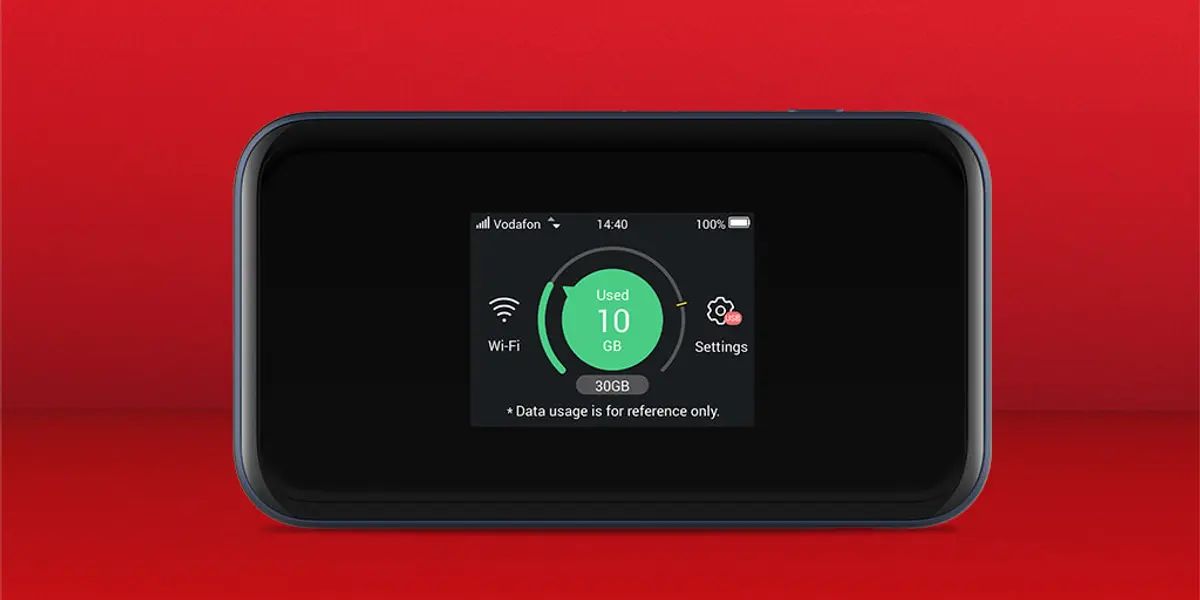
How Much Data Does A Computer Use On A Hotspot At Garry Beckwith Blog How Much Data Does Gaming Use On Hotspot 1 . How Much Data Does Online Gaming Use Tips For Gamers Econnex 4. How Much Data Does Gaming Use Online Cloud Gaming Guide How Much Data Does Gaming Use.webp. Hotspot Gaming How Much Data Do Your Mobile Games Really Use Wirefly Hotspot Data For Gaming . How Much Data Does Online Gaming Use On Mobile Hotspot Robots Net How Much Data Does Online Gaming Use On Mobile Hotspot 1691123997

How Much Data Does Online Gaming Use GB Hour How Much Data Does Gaming Use . How Much Data Does Online Gaming Use Update 02 2026 How Much Data Does Online Gaming Use 3 . Mobile Hotspot Gaming Data Usage At Aidan Zichy Woinarski Blog Fortnite Hotspot Data Usage The Impact 1705497799 . How Much Data Does Gaming Really Use YohoMobile Futuristic Gaming Station Simple Compose 8426007d46 . How Much Data Does Hotspot Use Here S The Answer Woastuff Com Screenshot 2024 01 26 104440
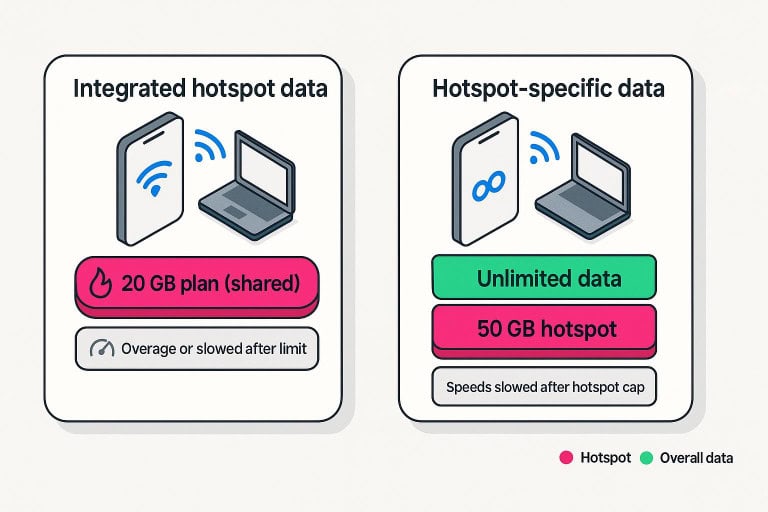
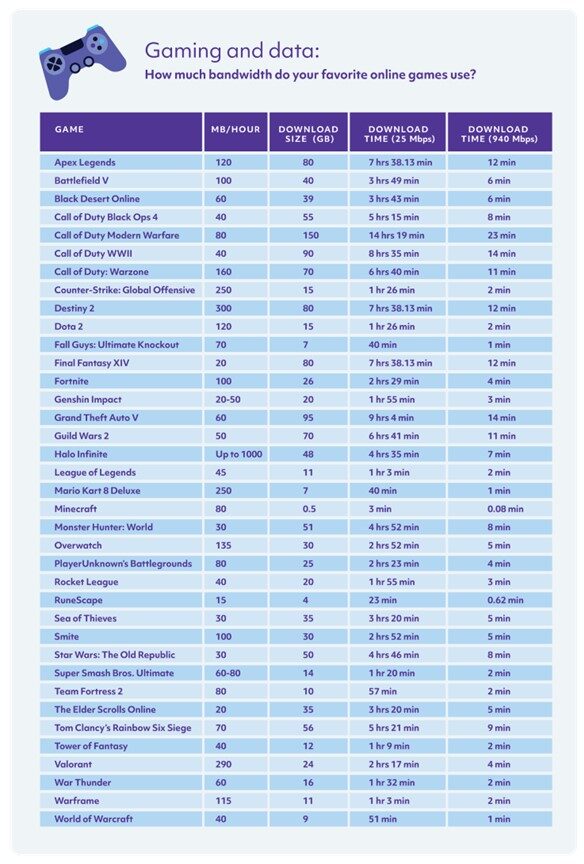

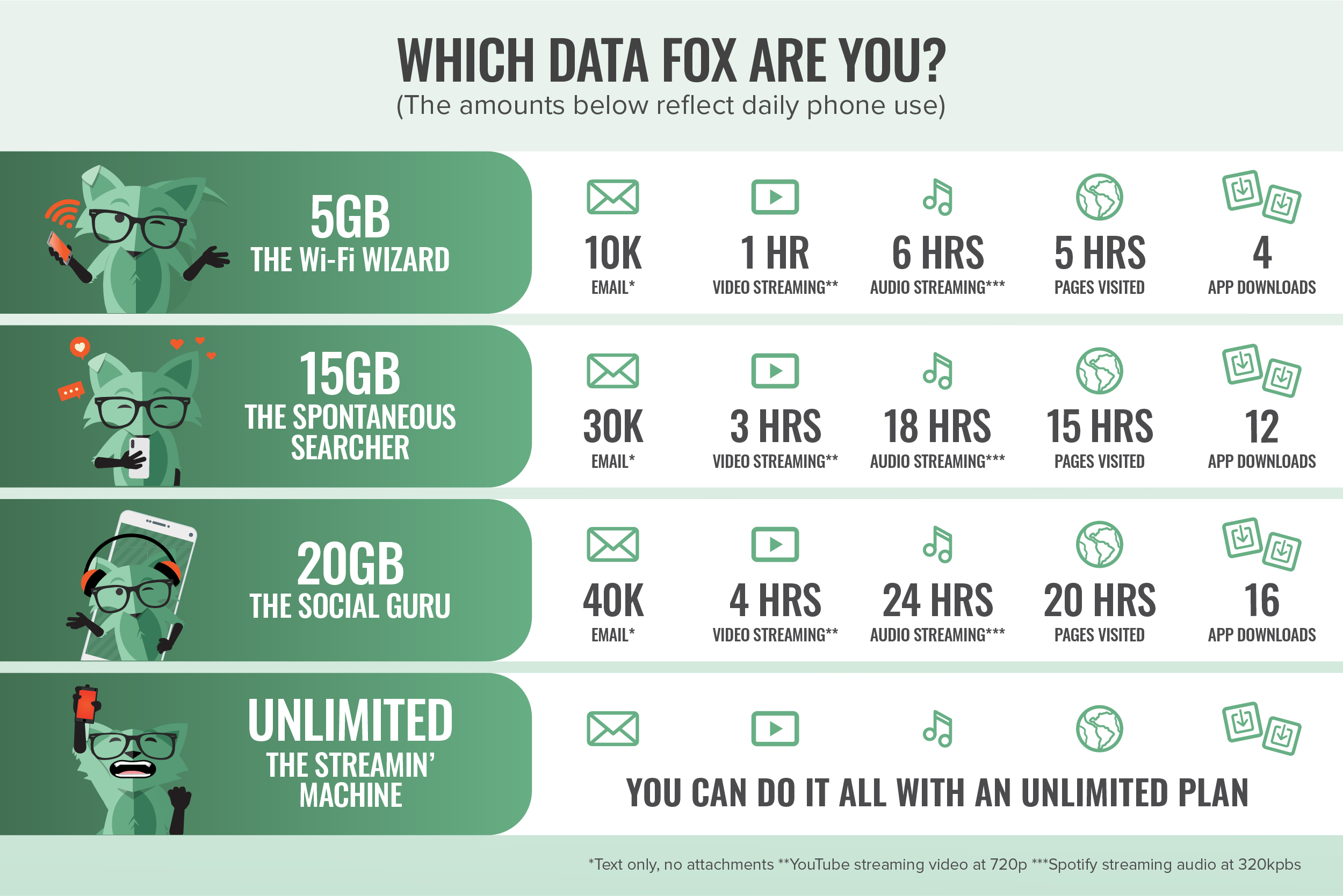
How Much Data Does A Hotspot Use Com Hotspot Data Plans Comparison 768x512 . Gaming And Bandwidth Use In The Most Popular Online Games Quantum Fiber 3 . How Much Data Does Gaming Use Holafly How Much Data Does Gaming Use Bfi . How Much Data Does Gaming Really Use YohoMobile How Much Data Does Gaming Use Be0d514fc3 . How Much Data Does A Computer Use On A Hotspot At Garry Beckwith Blog CR10907 Mint Blog Which Data Fox Are You Graphic Update
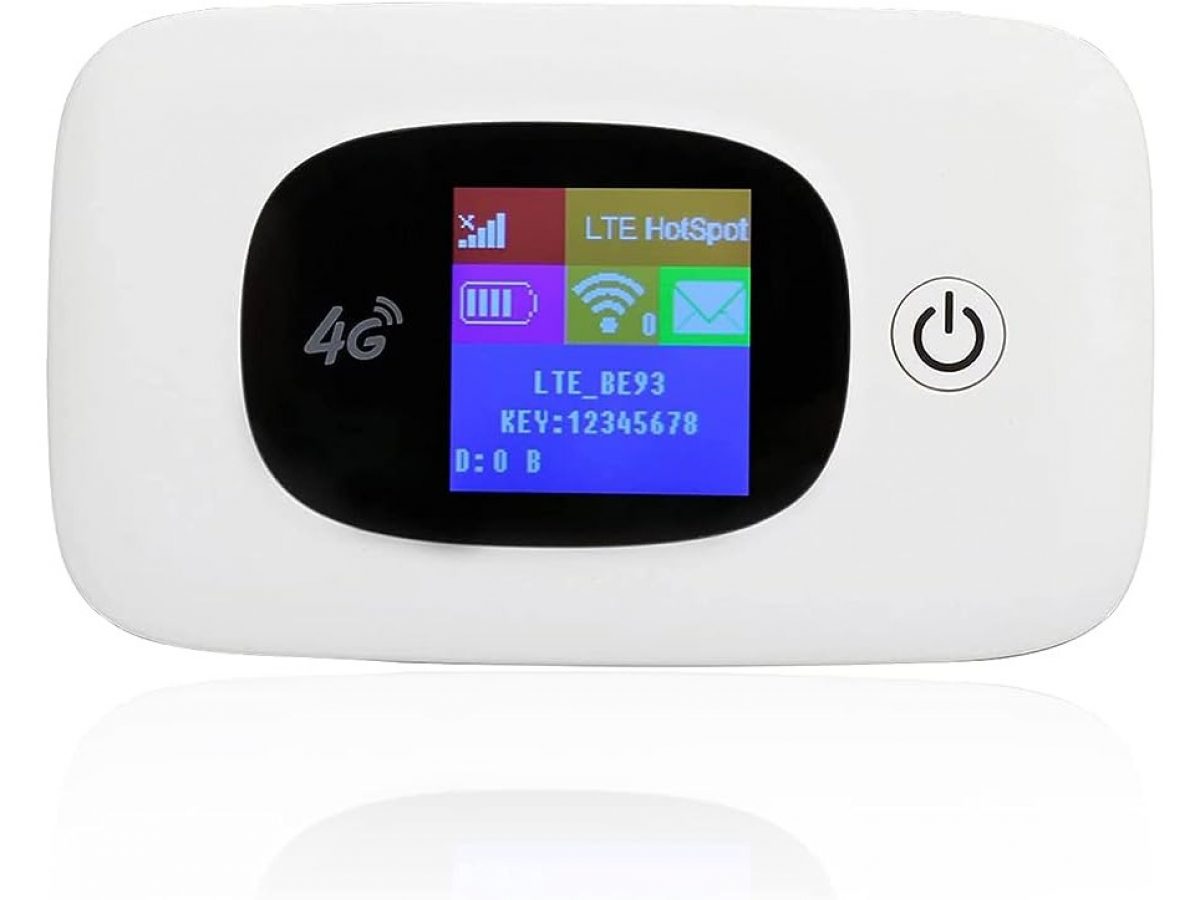



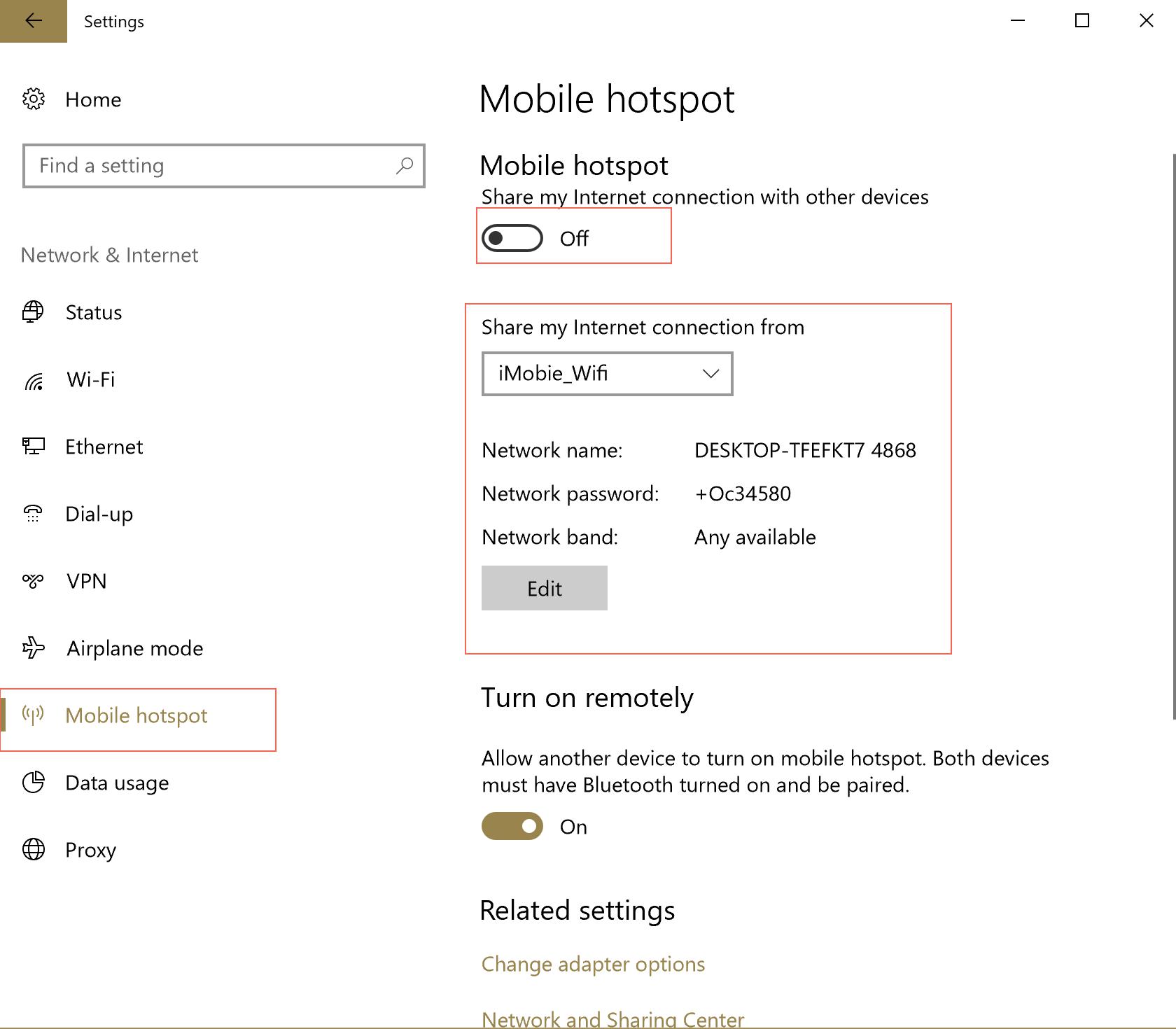
How Much Data Does Online Gaming Use On Mobile Hotspot Robots Net 14 Best Hotspot 4g For 2023 1693975990 . Average Hotspot Data Usage At Denise Sanchez Blog Android Hotspot Screenshot . How Much Data Does Hotspot Use Holafly Hotspot Data Usage 600x316 . Unlimited Home Internet Plans In My Area Internet Jin Artboard 1 Copy . How Much Data Does A Computer Use On A Hotspot At Garry Beckwith Blog How To Turn On Wifi Hotspot On Your Computer3

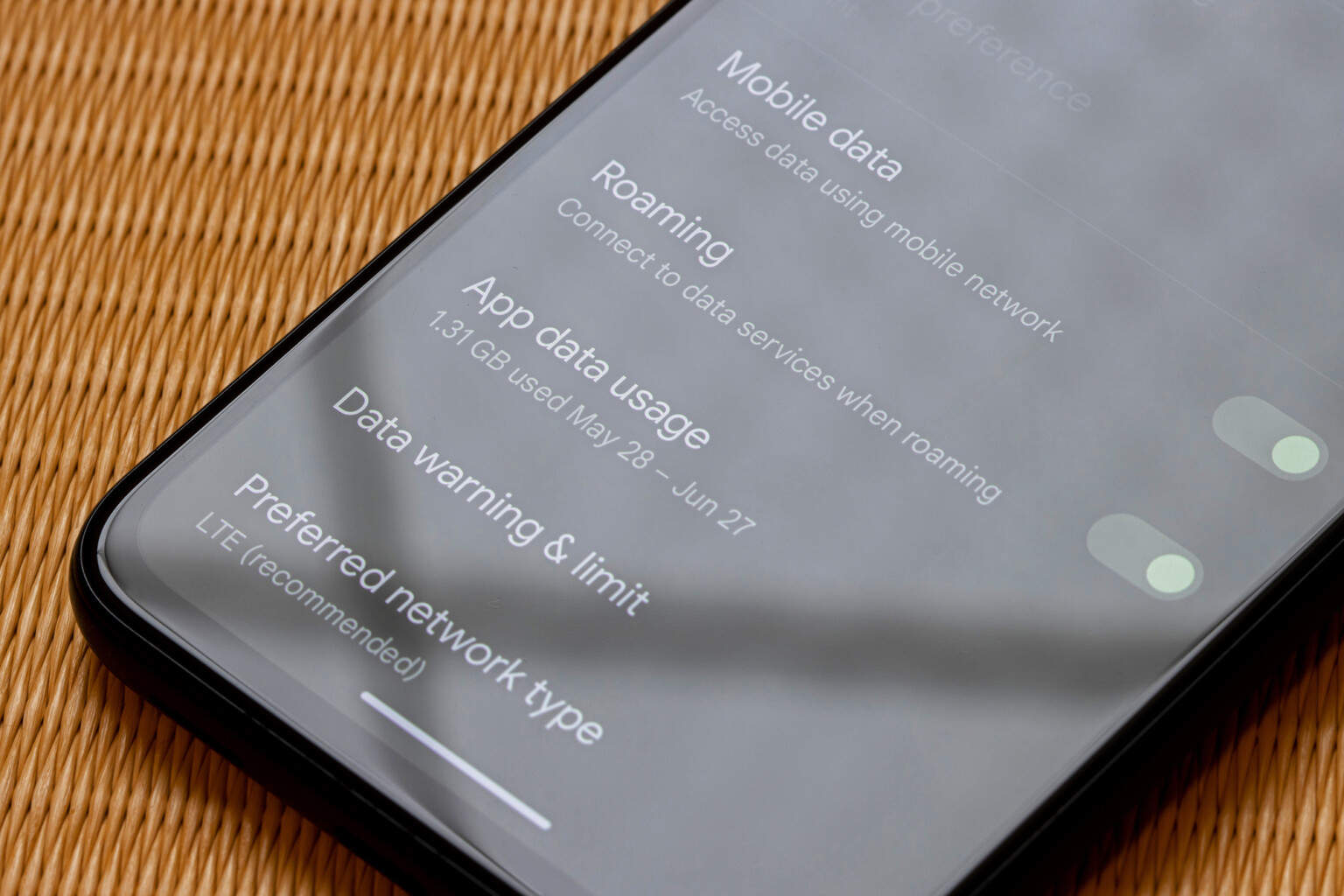


How Much Data Does A Hotspot Use Com Hotspots And Data Limits 1536x864 . How Much Data Does A Hotspot Use Com Data Warning Limit 1536x1024 . How Much Data Does A Hotspot Use WhistleOut Hotspot Data Usage Banner . How Much Data Does A Hotspot Use WhistleOut Hotspot Data Usage Thumbnail . How Much Data Does A Hotspot Use WhistleOut MyRogers Data Usage Screenshot

How Much Data Does Hotspot Use Holafly How Much Data Does Hotspot Use Bfi . How Much Data Does The Hotspot On Your Mobile Use How Much Data Does Mobile Hotspot. How Much Data Does Hotspot Use How Much Data Does Hotspot Use.webp. How Much Data Does Hotspot Use Close Estimates Spacehop Wifi Hotspot . How Much Data Does A Hotspot Use WhistleOut Data Hotspot OPEN GRAPH



How Much Data Does A Laptop Use On Hotspot A Clear And How Much Data Does A Laptop Use On Hotspot 5 1024x683 . How Much Data Does A Computer Use On A Hotspot At Carlos Buske Blog How Much Data 1 . How Much Hotspot Data Do You Use On IPhone And Android How Much Hotspot Data Use Iphone Android . How Much Data Does Hotspot Use How Long Does Hotspot Data Last. How Much Data Does Gaming Use Essential Guide For Gamers Gaming Data Usage Guide