Navigating the world of gaming monitors can be overwhelming, especially when balancing a passion for gaming with real-world responsibilities. This comprehensive guide zeroes in on the 1440p 120Hz monitor, often considered the sweet spot for modern gamers. Discover how this powerful combination of resolution and refresh rate delivers breathtaking visuals and incredibly smooth gameplay without demanding an impossible budget or top-tier hardware. We will explore key benefits, setup tips, optimization tricks, and essential considerations, ensuring you make an informed decision for an unparalleled gaming experience that fits your lifestyle. Get ready to elevate your sessions, whether you are unwinding after work, connecting with friends online, or chasing that next competitive victory.
What exactly makes a 1440p 120Hz monitor a gaming sweet spot?
A 1440p 120Hz monitor hits a phenomenal balance for the modern gamer. You get significantly sharper images than 1080p without the extreme GPU demands of 4K. The 120Hz refresh rate means incredibly smooth motion, especially compared to standard 60Hz displays, making fast-paced games feel more responsive. It's about optimizing visual fidelity and fluidity without needing a top-tier, bank-breaking graphics card, which is perfect for us who want great performance but also have rent to pay.
How can I confirm my PC hardware is ready for 1440p 120Hz gaming?
Before diving into a 1440p 120Hz setup, check your graphics card (GPU) and CPU. For 1440p at 120 frames per second (FPS) in most modern titles, you'll generally want at least an NVIDIA RTX 3070/4060 Ti or an AMD RX 6700 XT/7700 XT. A capable CPU like an Intel Core i5 (10th gen or newer) or AMD Ryzen 5 (3000 series or newer) will prevent bottlenecks. You can use tools like GPU-Z or CPU-Z to verify your current hardware, and remember to update your GPU drivers for optimal performance.
Is upgrading to a 1440p 120Hz monitor truly worth it for someone still on 1080p 60Hz?
Absolutely, it's one of the most impactful upgrades you can make. The jump from 1080p to 1440p offers a noticeable increase in screen real estate and image clarity, making textures sharper and fine details pop. Simultaneously, moving from 60Hz to 120Hz fundamentally changes the feel of gameplay. Everything looks smoother, aiming feels more precise, and overall immersion deepens. For gamers balancing life and seeking a significant, tangible improvement without going overboard, this resolution and refresh rate combo provides tremendous value.
What are the best cables to use for a 1440p 120Hz monitor connection?
To ensure you get the full 1440p resolution at 120Hz, connectivity is key. For PC gamers, DisplayPort 1.2 or newer (DisplayPort 1.4 is ideal) is the recommended choice as it easily handles the required bandwidth. If you're connecting a modern console like a PS5 or Xbox Series X, an HDMI 2.0 cable will work for 1440p 120Hz, but an HDMI 2.1 cable is even better as it offers more bandwidth and supports additional features like Variable Refresh Rate (VRR) directly from the console, providing a smoother, tear-free experience.
How do I optimize my game settings to get consistent 120 FPS at 1440p?
Achieving stable 120 FPS at 1440p often involves a bit of tweaking. Start by updating your graphics drivers. In-game, prioritize settings like texture quality (often has less FPS impact) and reduce more demanding options such as shadows, anti-aliasing (especially higher levels like MSAA), global illumination, and ray tracing (if applicable). Many games now offer upscaling technologies like NVIDIA DLSS or AMD FSR; enabling these can provide a significant performance boost without a major visual downgrade, letting you hit those higher frame rates.
Are there any hidden costs or considerations when buying a 1440p 120Hz monitor?
While the monitor itself is the main cost, consider a few other points. First, ensure your graphics card can drive it effectively; if not, a GPU upgrade might be a follow-up investment. Second, check for adaptive sync technologies like FreeSync or G-Sync compatibility; these reduce screen tearing and stuttering, enhancing the experience. Also, factor in ergonomic features like height and tilt adjustments for comfort during longer sessions. Finally, remember to properly calibrate your new display for optimal color accuracy and brightness, ensuring you get the most out of your purchase.
Why is 1440p 120Hz considered ideal for balancing gaming, work, and family life?
For gamers juggling jobs, families, and personal commitments, a 1440p 120Hz monitor offers a practical sweet spot. It provides a significant visual upgrade and incredibly smooth gameplay for those precious gaming hours, maximizing the fun and relaxation. Yet, it doesn't demand the top-tier, expensive hardware often required for 4K high-refresh gaming, making it a more budget-friendly and less stressful upgrade. This balance means you can enjoy a premium gaming experience without sacrificing financial stability or spending excessive time troubleshooting, leaving more energy for life's other demands and social connections.
Are you a gamer who loves diving into virtual worlds, competing with friends, or simply unwinding after a long day, but finds yourself constantly weighing upgrades against your budget and busy schedule? You're not alone. Many US gamers, with an average age around 36, skillfully balance careers, family, and personal life, dedicating an average of 10+ hours a week to gaming. They value experiences that are fun, relaxing, and offer clear performance improvements without unnecessary hype or complexity. If you're looking for that perfect blend of stunning visuals and butter-smooth performance without needing a second mortgage for a GPU, the 1440p 120Hz monitor might just be your ultimate upgrade. It's the sweet spot that delivers a significant leap from 1080p, offering crystal-clear images and fluid motion that truly brings games to life, all while being more attainable than a full 4K setup. This guide is your trusted friend, walking you through everything you need to know about making the switch to 1440p 120Hz, ensuring you maximize your gaming hours and get the best value for your hard-earned cash.
We know the pain points: tangled cables, confusing settings, and wondering if your current rig can even handle a new monitor. Forget the jargon and endless spec sheets. We're here to provide practical solutions and expert advice, helping you optimize your setup for peak performance, discover great games that shine on these displays, and tackle common challenges head-on. With 87% of US gamers playing regularly, and social gaming trends continuing to dominate platforms like Discord, a monitor that enhances both solo immersion and shared experiences is more relevant than ever. Let's unlock the true potential of your gaming rig and make every minute count.
What exactly is a 1440p 120Hz monitor and why does it matter for gamers?
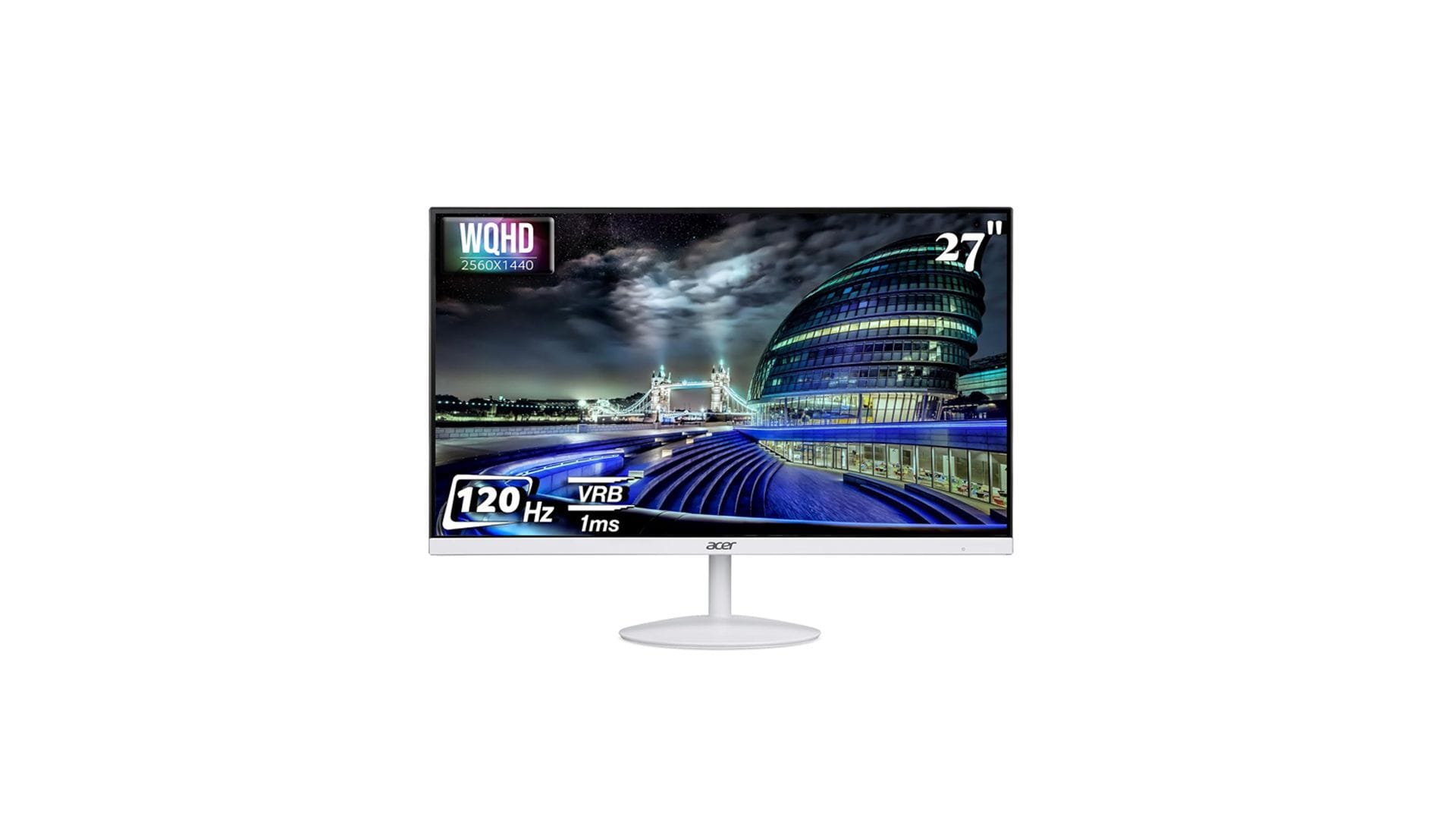
A 1440p 120Hz monitor combines two crucial specifications for a premium gaming experience: resolution and refresh rate. 1440p, also known as Quad HD (QHD), refers to a resolution of 2560x1440 pixels. This offers a significant step up from standard 1080p (Full HD), providing much sharper images, more screen real estate, and finer details in games without the extreme computational demands of 4K. The '120Hz' indicates the monitor's refresh rate, meaning it can display 120 frames per second. This higher refresh rate results in incredibly smooth motion, reducing motion blur and making fast-paced action feel much more fluid and responsive compared to a typical 60Hz display. For gamers, this combination means a noticeable upgrade in both visual clarity and gameplay smoothness, hitting a fantastic balance that enhances immersion and competitive edge.
How do I know if my current PC can handle a 1440p 120Hz monitor?
Before you commit to a new 1440p 120Hz monitor, it's smart to check if your existing PC hardware can keep up. The most critical component is your graphics card (GPU). For a consistent 120 frames per second (FPS) at 1440p in modern games, you'll generally want a GPU equivalent to or better than an NVIDIA RTX 3070/4060 Ti or an AMD RX 6700 XT/7700 XT. For less demanding titles or slightly lower settings, you might get by with a slightly older card. Your CPU also plays a role in preventing bottlenecks; an Intel Core i5 (10th generation or newer) or an AMD Ryzen 5 (3000 series or newer) should be sufficient. You can easily check your current hardware using tools like Task Manager (Windows Key + R, type 'dxdiag') or dedicated software like CPU-Z and GPU-Z. Always ensure your graphics drivers are up to date for optimal performance.
Is a 1440p 120Hz monitor a good upgrade from 1080p or 4K?
For most US gamers balancing performance, visual fidelity, and budget, a 1440p 120Hz monitor is arguably the most impactful upgrade available today. If you're currently on a 1080p monitor, the jump to 1440p provides a dramatic increase in visual sharpness and desktop workspace, making everything look crisper. The 120Hz refresh rate will make every action, from scrolling to shooting, feel significantly smoother and more responsive than a 60Hz screen. Compared to 4K, 1440p at 120Hz offers a much more accessible performance target. While 4K is undeniably beautiful, hitting high frame rates at that resolution often requires top-tier, expensive GPUs. 1440p lets you achieve excellent visuals and high frame rates with more reasonably priced hardware, providing incredible value without compromise. It truly is the sweet spot for a premium yet practical gaming experience.
What are the essential connectivity options for a 1440p 120Hz monitor?
Ensuring you use the correct cable is crucial to achieving 1440p resolution at 120Hz. For PC gaming, DisplayPort 1.2 or higher is generally the preferred connection. DisplayPort 1.4 is even better, offering more bandwidth and supporting features like HDR and adaptive sync more robustly. If you're connecting a modern console like a PlayStation 5 or Xbox Series X, an HDMI 2.0 cable can handle 1440p at 120Hz, but an HDMI 2.1 cable is highly recommended. HDMI 2.1 provides significantly more bandwidth, enabling not only 1440p 120Hz but also Variable Refresh Rate (VRR) directly from your console, which eliminates screen tearing and delivers an even smoother experience. Always check your monitor's ports and ensure your graphics card or console supports the necessary output.
How can I optimize my in-game settings for 1440p 120Hz performance?
Achieving a consistent 120 frames per second at 1440p often requires a bit of fine-tuning within your game settings. Start by ensuring your graphics drivers are completely up to date. Within the game, prioritize settings that have less visual impact but higher performance cost. For instance, texture quality often has a relatively low FPS impact, so you can usually keep that high. However, settings like shadows, anti-aliasing (especially higher levels like MSAA), global illumination, and ray tracing can be very demanding. Consider reducing these first. Many modern games also offer upscaling technologies like NVIDIA DLSS or AMD FSR. Enabling these can provide a significant boost to your frame rates with minimal perceived visual downgrade, helping you hit that coveted 120 FPS target consistently across various titles.
Are there budget-friendly 1440p 120Hz monitors that still deliver?
Absolutely! The market for 1440p 120Hz monitors has matured considerably, making excellent options available across various price points. While premium features like advanced HDR, extremely low response times, or ultrawide formats can drive up the cost, you can find very capable 1440p 120Hz displays starting from around 250-350 USD. When looking for budget-friendly options, prioritize key gaming features: ensure it has at least a 120Hz refresh rate, a low response time (1ms GTG is ideal), and adaptive sync support (FreeSync is common and widely supported). You might compromise on more advanced HDR certifications or extensive USB hubs, but the core gaming experience will still be fantastic. Researching user reviews and looking for sales from reputable brands can help you snag a great deal.
Which game genres benefit most from a 1440p 120Hz display?
A 1440p 120Hz monitor enhances virtually any game genre, but some truly shine with this combination. Fast-paced competitive games like first-person shooters (FPS) such as Valorant or Call of Duty, and battle royales like Apex Legends, benefit immensely from the high refresh rate. The smoother motion allows for quicker target acquisition and more precise tracking, giving you a competitive edge. Graphically rich open-world adventures and RPGs like Cyberpunk 2077 or Elden Ring gain incredible immersion from the 1440p resolution, making landscapes and character details pop with stunning clarity. Even strategy games or MOBAs feel more responsive and visually expansive. Essentially, any game where visual detail and fluid movement are important will feel significantly better on a 1440p 120Hz screen, maximizing your enjoyment.
How does a 1440p 120Hz monitor enhance social gaming and streaming?
For US gamers who value social connections, whether through co-op games, online multiplayer, or even streaming their adventures, a 1440p 120Hz monitor offers distinct advantages. The crisp 1440p resolution means your games look fantastic to your friends and audience if you're streaming, providing a more professional and engaging visual. The high refresh rate ensures that your gameplay footage is incredibly smooth, making it more pleasant to watch and easier for viewers to follow the action. This higher resolution also provides more screen real estate, which can be invaluable for multitasking while gaming or streaming. You can have your game, Discord chat, and streaming software open without feeling cramped, improving your ability to interact and manage your session seamlessly. This month's trends continue to highlight social gaming's importance, and a superior display certainly enhances that shared experience.
What common setup issues should I watch out for with a new 1440p 120Hz monitor?
Setting up a new monitor should be straightforward, but a few common issues can trip up even experienced gamers. First, ensure your display cable (DisplayPort 1.2+ or HDMI 2.0/2.1) is fully seated and connected to your GPU, not your motherboard's integrated graphics port. Second, remember to manually set the refresh rate in your operating system. On Windows, right-click desktop > Display settings > Advanced display settings > Display adapter properties, then go to the Monitor tab and select 120Hz. If your screen looks washed out, check your monitor's OSD (On-Screen Display) for color and contrast settings, and ensure HDR is correctly configured in Windows if your monitor supports it. Lastly, enable adaptive sync (FreeSync/G-Sync) in your GPU control panel (NVIDIA Control Panel or AMD Adrenalin) to prevent screen tearing, especially if you experience fluctuating frame rates.
Will a 1440p 120Hz monitor help me balance gaming with other life commitments?
For the average gamer managing a job, family, and life's endless to-do list, a 1440p 120Hz monitor isn't just a gaming upgrade; it's a lifestyle enhancer. It delivers a premium, immersive experience during those precious few hours you carve out for yourself, maximizing your fun and relaxation without demanding excessive setup time or constant troubleshooting. Unlike higher-end 4K setups that often require top-tier, expensive hardware and constant optimization, 1440p 120Hz offers a fantastic performance-to-cost ratio. This means you get a superb visual and gameplay upgrade that fits within a responsible budget, reducing financial stress. The enhanced clarity and smoothness also mean less eye strain during longer sessions, contributing to overall well-being. It empowers you to enjoy high-quality gaming without it becoming another burden, allowing you to easily transition back to work, family, or other commitments feeling refreshed and entertained.
The journey to an optimized gaming experience doesn't have to be complicated or break the bank. A 1440p 120Hz monitor offers a truly exceptional balance, delivering stunning visuals and buttery-smooth performance that elevates every gaming session. It's the smart choice for gamers who demand quality but also value practicality and budget-consciousness. By understanding your hardware, optimizing settings, and choosing the right monitor, you're not just upgrading a piece of tech; you're investing in more enjoyable, stress-free gaming. Go ahead, dive into those worlds, enjoy your social gaming, and conquer those challenges with clarity and speed.
What's your biggest gaming challenge with your current monitor setup? Comment below!
FAQ Section
Q: What is the ideal GPU for 1440p 120Hz gaming?
A: For consistent 120+ FPS at 1440p in most modern titles, aim for an NVIDIA RTX 3070/4060 Ti or AMD RX 6700 XT/7700 XT or better, depending on the game's demands and your preferred graphical settings. More powerful cards offer greater headroom.
Q: Can I use a 1440p 120Hz monitor with a console like PS5 or Xbox Series X?
A: Yes, both PS5 and Xbox Series X support 1440p output at up to 120Hz. Ensure your monitor has HDMI 2.0 or 2.1 for optimal compatibility, with HDMI 2.1 being ideal for features like VRR.
Q: Is HDR important for 1440p 120Hz monitors?
A: While not strictly necessary for performance, HDR can significantly enhance visual immersion, making colors pop and details clearer in supported games. Look for DisplayHDR 400 or higher for a noticeable effect, though higher tiers offer a more dramatic impact.
Q: How do I check if my monitor is running at 120Hz?
A: On Windows, right-click desktop > Display settings > Advanced display settings > Display adapter properties. Under the Monitor tab, select the 120Hz refresh rate from the dropdown. In-game, many titles have built-in FPS counters or you can use third-party overlays.
Q: What cable should I use for 1440p 120Hz?
A: For PC, DisplayPort 1.2 or higher (DisplayPort 1.4 is best) is recommended. For consoles, HDMI 2.0 or HDMI 2.1 (for higher bandwidth and features like VRR) is necessary to ensure full 1440p 120Hz support without compromise.
Q: How much does a good 1440p 120Hz monitor cost?
A: Prices vary widely, but you can find capable 1440p 120Hz monitors starting around 250-350 USD. Premium features, larger sizes, or specific panel technologies can push costs to 500 USD or more. Always look for sales and compare features.
Q: What is adaptive sync (FreeSync/G-Sync) and why is it important?
A: Adaptive sync technologies like AMD FreeSync and NVIDIA G-Sync synchronize your monitor's refresh rate with your graphics card's frame output. This eliminates screen tearing and reduces stuttering, providing a much smoother and more fluid gaming experience, especially when your frame rate fluctuates.
Optimal resolution and refresh rate balance, enhanced gaming immersion, smoother gameplay, value for money for an impactful upgrade, future-proofing your setup, great for various game genres and competitive play, supports modern console gaming, ideal for balancing work and play.
35


GIGABYTE GS34WQC 34 120Hz 1440P Curved Gaming Monitor 3440x1440 VA AC SL1200 . KTC H27P3 Review 2026 5K 1440p 120Hz Dual Mode Monitor MSI MPG 341CQPX Review . KTC H27P3 Review 2026 5K 1440p 120Hz Dual Mode Monitor KTC H27P3 Review 1024x576 . KTC H27P3 Review 2026 5K 1440p 120Hz Dual Mode Monitor KTC M27T6 Monitor Review . MSI Modern MD342CQP 34 1440p HDR 120 Hz MODERN MD342CQP B H Msi 34 Modern Md342cqp Monitor 1875891


Jual XIAOMI MONITOR 27 INCH A27QI 2026 IPS QHD 2K 1440P 6MS 120HZ DELTA Sg 11134201 82602. 1440p HDR Monitor Please ResetEra Best 1440p Gaming Monitors 20251126 Medium . Best 27 Inch 1440p Gaming Monitor 2026 Best 27 Inch 1440p Gaming. Top 5 Best 1440p Monitor Review 2026 Ultra Sharp QHD Display For . Best 1440p Monitors For Warzone In 2026 New Models WhalesDev Monitor Warzone Scaled

PC Monitors Flat 120Hz QHD 1440p Technology Gaming Very WGROQ SQ1 0000000004 BLACK SLf. 120Hz 1440p IPS Monitors Blur Busters 1440p 120hz Ips 300x252 . Best 1440p Gaming Monitors 2026 Top Picks Best 1440p Gaming. Top 10 1440p Gaming Monitors In India 2026 91mobiles Com Top 1440 Moni Feat . Best 1440p 240Hz Monitors For Gaming 2026 Guide Display Ninja Best 24 Inch Monitors
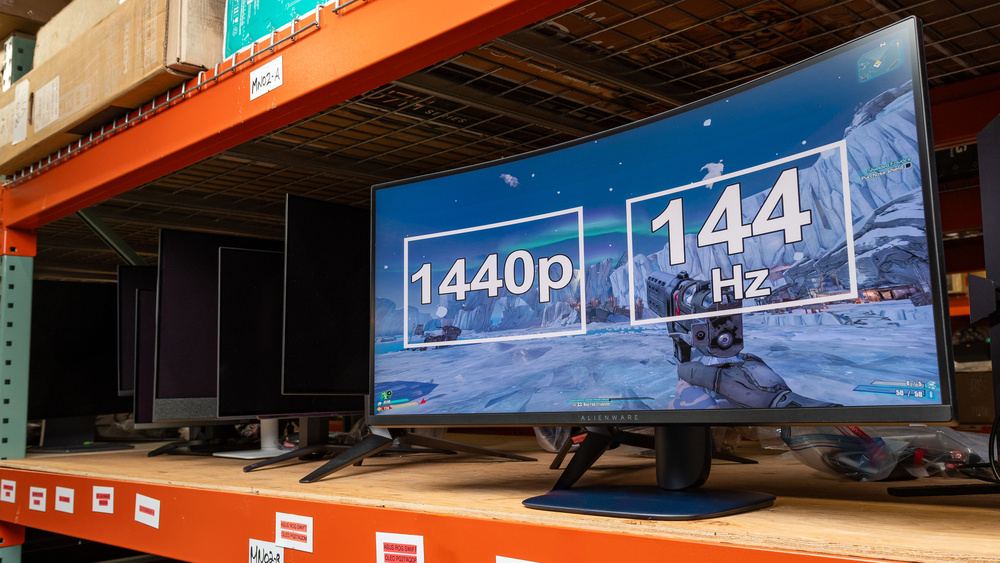

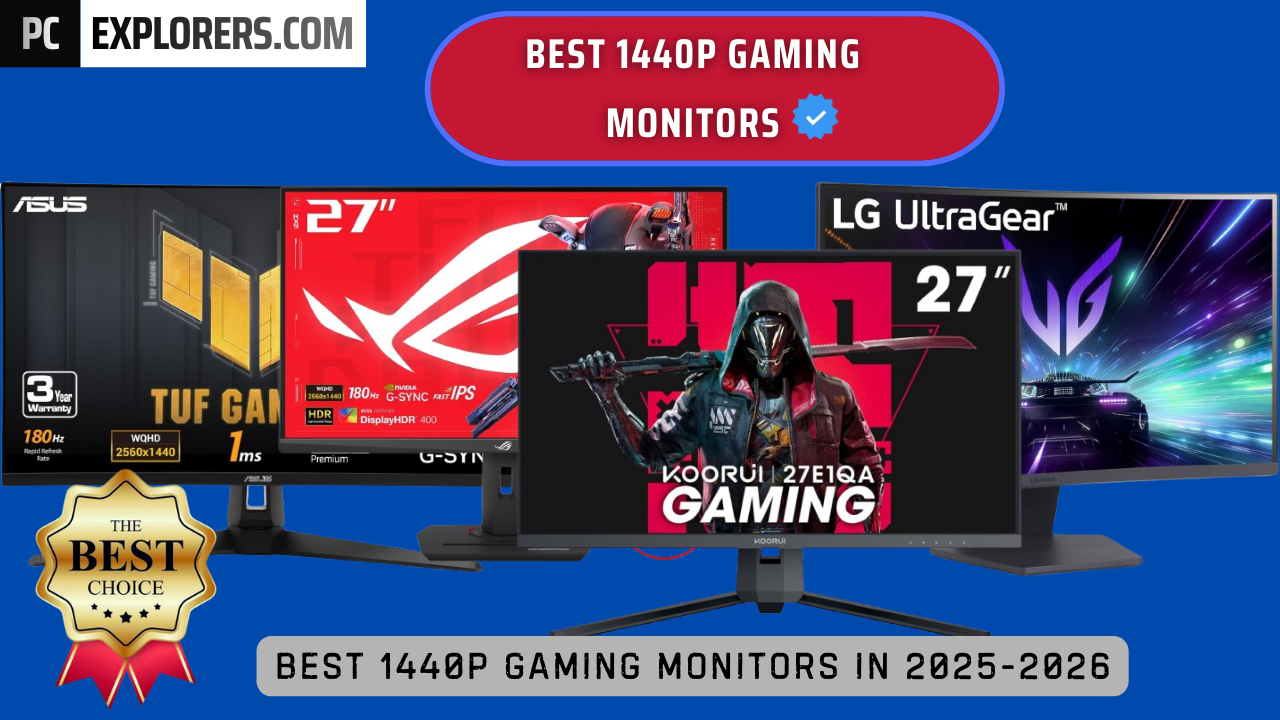
The 4 Best 1440p 144Hz Monitors Of 2026 RTINGS Com Best 1440p 144hz Monitors 20251126 Medium . Amazon Com INNOCN 49 Curved Monitor Ultrawide Gaming 120Hz 32 9 QHD 61sSBt Rv4L. AC . BEST 1440P GAMING MONITORS IN 2025 2026 PC Explorers Best 1440p Gaming Monitors For Gaming In 2025 2026 . 10 Best 1440p Gaming Monitors March 2026 Complete Guide Best 1440p Gaming Monitors . 10 Best 1440p Monitor Of 2026 Definitive Buying Guide Samsung WQHD Copy


5 Best Budget 1440p Monitors D8d08 1920 . Best 1440p Monitors 2026 Our Top Picks For QHD Gaming Best 4K Monitor 1024x683 . Dell U2724DE Review 2026 1440p 120Hz IPS Black Monitor Best Monitors With Built In KVM Switch 1024x576 . KTC H27P3 Review 2026 5K 1440p 120Hz Dual Mode Monitor MSI MPG 322UR QD OLED X24 Review . Sony S New PlayStation Gaming Monitor Is A Relatively Unexciting 27


Dell S2722DGM Review 2026 Budget 1440p Gaming Monitor Best Gaming Monitors 1024x576 . Best 4K 120Hz Gaming Monitors Ultimate Guide For 2026 Arzopa 144hz Vs 180hz Vs 240hz.webp. Dell U2724DE Review 2026 1440p 120Hz IPS Black Monitor Dell U2724DE Review . 10 Best 1440p Gaming Monitors June 2026 Complete Guide B0BZR9TMBJ Customer 2 771x1024 . KTC H27P3 Review 2026 5K 1440p 120Hz Dual Mode Monitor KTC H27P3 5K Comparison 2048x1536

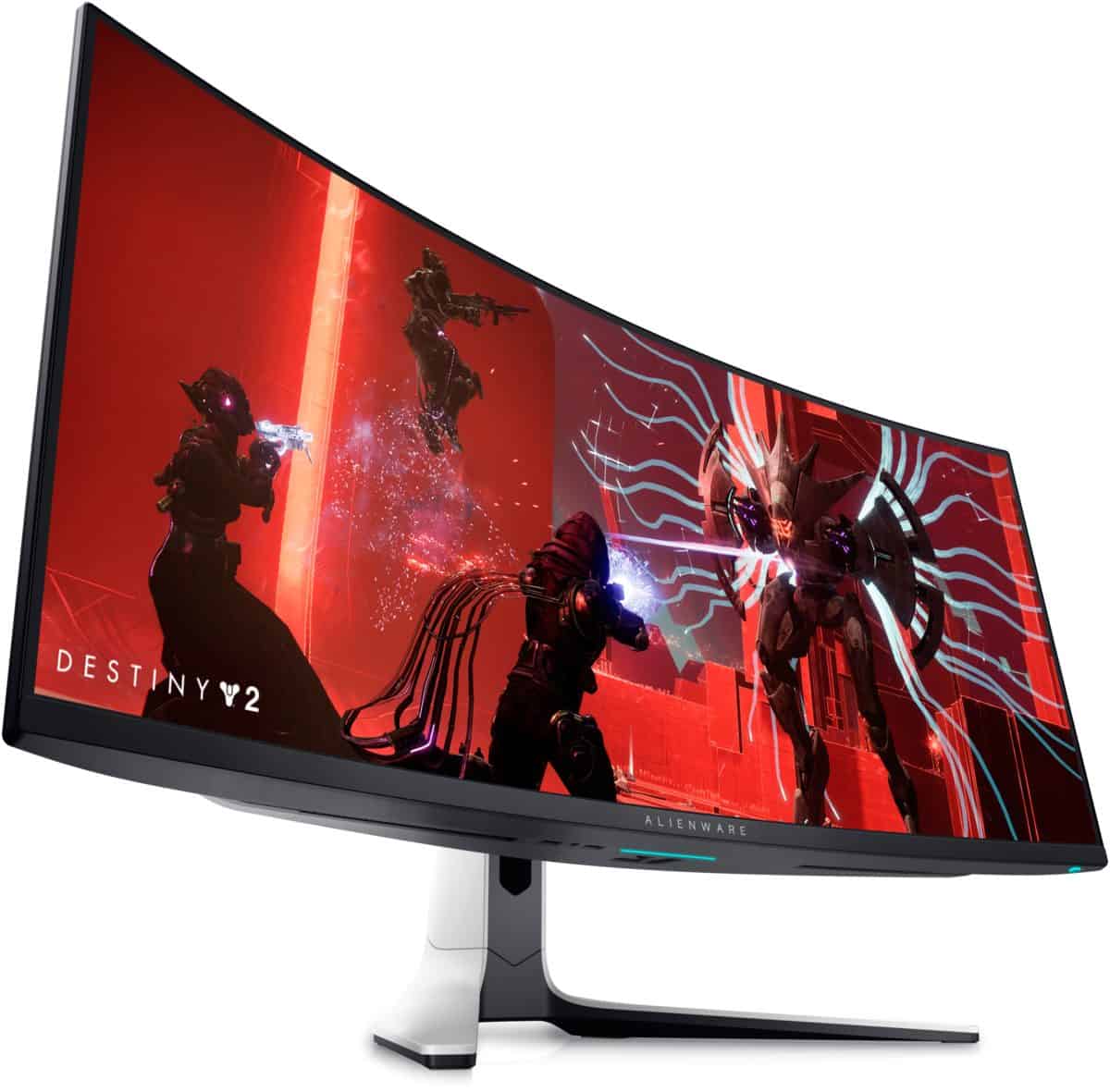
Amazon Com CRUA 27 Inch Gaming Monitor QHD 1440P 120Hz IPS Computer AC SX679 . High Performance 1440p 120hz Monitor 27 Inch For Superior Visual 24 Inch 4k Gaming Monitor 120hz Monitor Gaming 24 Inch 27 Big Monitor For Gaming 4k Pc 22 Inch . 10 Best 1440p Gaming Monitors June 2026 Complete Guide B0F2TB1KNV Customer 2 1536x1152 . Customer Reviews KTC H27D9 27 Inch Gaming Monitor 2K QHD 1440P IPS 18f0aadd 573e 4b47 8941 . Best 1440p Monitor In 2026 Our Top QHD Picks WePC Let S Build Alienware AW3423DW 1200x1181