Navigating the vast gaming landscape in 2026 can be daunting especially when trying to find a thriving community or a game worth your limited time and money. Understanding how many play specific titles or genres is more than just a statistic it is a critical factor for busy adult gamers who balance their passion with jobs and family life. This guide cuts through the hype to provide actionable insights into player counts community vitality and what these numbers truly mean for your gaming experience. We delve into current US gaming trends including the continued dominance of mobile gaming the rise of social and cozy game experiences and the ever-present desire for value performance and connection. Whether you are looking for a new game to unwind after work seeking a competitive edge or aiming to reconnect with friends knowing how many play can inform your next best gaming decision avoiding setup issues performance problems and wasted investments. This article is your essential resource for making smart gaming choices in a rapidly evolving digital world.
How do I know if a game still has enough players to be worth my time?
As a busy gamer, you need to be smart about where you invest your precious hours. To check if a game still has a healthy player base, look at recent data on platforms like SteamCharts for PC, active Twitch streams, or the number of active members in its official Discord server. A game with consistent updates and community events is a good sign. For console, check recent forum activity or look for "looking for group" posts. Ultimately, if you can find matches quickly or engage with a lively community, it's likely worth your time.
Why is it important for me to understand the current player count trends in 2026?
In 2026, understanding player count trends is crucial because it informs your game selection for optimal social engagement and value for money. With mobile gaming dominating and cross-play becoming standard, player bases are more interconnected. Knowing where players congregate helps you pick games where friends are active, ensures quick matchmaking for limited play sessions, and helps you avoid games with dwindling communities that might not receive future support or provide a fun experience for your time-constrained schedule. It's about maximizing your entertainment return.
What are the best types of games to play if I want consistent high player counts?
If consistent high player counts are your priority, focus on established free-to-play live service games and major competitive titles. Games like Fortnite, Apex Legends, Call of Duty: Warzone, and Genshin Impact consistently maintain millions of active players across various platforms, often leveraging cross-play. Additionally, popular MMORPGs such as Final Fantasy XIV or World of Warcraft, while not free, have dedicated, massive communities. These genres thrive on continuous content updates and strong social features, ensuring a vibrant player base for years.
How can I find out how many people are playing a specific game on console platforms like PlayStation or Xbox?
While console manufacturers often keep exact player statistics private, you can still gauge a game's popularity. Check the 'most played' or 'trending' sections on the PlayStation Store or Xbox Store dashboards. Look at the number of active users in game-specific communities or clubs on those platforms. Reputable gaming news sites often report official player milestones released by developers. Additionally, a strong presence on Twitch and YouTube (especially for competitive titles) usually indicates a healthy console player base, as many streamers play on consoles.
Does a game's age affect its current player count and should I still consider older titles?
A game's age often impacts its player count, with numbers typically peaking near launch and then gradually declining. However, many older titles maintain strong, dedicated communities, especially if they are genre-defining, have strong modding scenes, or receive continuous updates. Classic MMORPGs, popular fighting games, and certain evergreen competitive titles (like Counter-Strike 2, which has been around in various forms for decades) are great examples. Do not dismiss older games; check their current community activity through forums, Discord, or recent online play videos to see if the player base meets your needs.
What are the benefits of playing games with very high player counts versus more niche titles?
Games with very high player counts offer benefits like rapid matchmaking, a wide variety of opponents/teammates, vibrant in-game economies, and extensive developer support with frequent content updates. This ensures a fresh experience and easy social connection. Niche titles, while having smaller player bases, often foster tighter-knit, more dedicated communities. You might find more personalized interactions, less toxicity, and a unique experience not diluted by mass appeal. The choice depends on whether you prioritize broad accessibility and constant activity or a more curated, intimate social experience.
How does the rise of social gaming influence "how many play" statistics?
The rise of social gaming significantly inflames "how many play" statistics by emphasizing shared experiences and peer influence. Games designed for collaboration or casual interaction, often called "cozy games," attract players who might not typically engage with competitive titles. These games thrive on word-of-mouth and influencer promotion, leading to sudden, massive player surges. Since many are free-to-play or mobile-first, they lower barriers to entry, making it easy for friends and family to join. This trend has broadened the definition of what constitutes an active player, pushing overall engagement numbers higher across diverse demographics.
Finding the perfect game when you are balancing a full-time job family and life's other demands can feel like a quest in itself. You want relaxation fun and perhaps a bit of skill-building or social connection but who has time to research every new release or dig through dead online communities? We have all been there staring at a game store page wondering if anyone actually plays that title anymore or if we will just be shouting into the void. The question of "how many play" is more vital than ever for US gamers especially those around 36 who make up a significant portion of the gaming population. It is not just about raw numbers it is about finding a vibrant community good matchmaking and a solid return on your precious time and money. In a world where 87 percent of US gamers play regularly averaging over 10 hours a week across various platforms knowing where the players are is key to maximizing your enjoyment without falling for hype or wasting your hard-earned cash. This guide is designed to cut through the noise providing practical insights to help you make informed decisions ensuring your next gaming adventure is both engaging and rewarding.
Why Do Player Counts Matter for Busy Gamers?
For gamers balancing work and life knowing "how many play" a game is crucial. High player counts generally mean better matchmaking shorter queue times and a more vibrant in-game economy or social scene. If you only have an hour or two to play you do not want to spend half of it waiting for a lobby to fill or struggling to find active guilds. A healthy player base ensures that the game developers continue to support the title with updates and events offering better value for your initial purchase or subscription. It also signals a more active community for social interactions which is a primary driver for many adult gamers seeking relaxation and connection.
Where Can I Find Reliable Player Count Data for Games?
Finding accurate and up-to-date player count data can be tricky as not all developers share this information publicly. However several resources can give you a good estimate. For PC games SteamCharts and SteamDB are excellent for titles on Steam showing concurrent players over time. For console games official developer blogs or reputable gaming news sites often release milestone player numbers. Twitch viewership and Discord server member counts can also be good proxies for a game's current popularity and community engagement. Always cross-reference data when possible and look for trends rather than single snapshots as player counts can fluctuate seasonally or with new content releases. Remember that some platforms like mobile are harder to track publicly but App Store rankings and download figures can give a sense of scale.
How Do Player Counts Impact My Game Choice and Experience?
The number of players significantly influences your gaming experience. For multiplayer games a large player base ensures a steady stream of opponents or teammates making it easier to find matches at any time of day. This is especially important for competitive titles where skill-based matchmaking thrives on a deep pool of players. For cooperative or social games more players mean more opportunities to connect with others form groups and engage in community events. Conversely low player counts can lead to long waits repetitive opponents or even game modes becoming unplayable. When choosing a game consider its genre and your playstyle. A niche single-player RPG might not need a huge player base but an online battle royale absolutely does.
What Games Currently Boast Strong Active Communities in 2026?
As of this month many long-standing titles continue to dominate with robust player counts and vibrant communities, particularly those offering cross-play. Games like Fortnite and Apex Legends maintain massive global player bases benefiting from frequent updates and competitive esports scenes. For social and cozy gaming trends Among Us and Stardew Valley type experiences often see surges with content creators or seasonal events. MMORPGs like Final Fantasy XIV and World of Warcraft retain dedicated followings emphasizing social bonds and continuous new content. Mobile-first titles such as Genshin Impact and Call of Duty Mobile consistently top charts showcasing the power of accessible, high-quality experiences. These games thrive by providing ongoing value and fostering active social ecosystems both in-game and on platforms like Discord where many gamers connect.
Are High Player Counts Always Better for Gamers Balancing Life?
Not necessarily. While high player counts usually signify a healthy game they can also mean a more competitive or crowded environment. For a busy gamer seeking relaxation sometimes a slightly smaller but dedicated community can offer a more intimate and less stressful experience. Consider games with mid-tier player counts that are known for their friendly communities or niche appeal. These often have active Discord servers and forums making it easier to find like-minded players without the overwhelming anonymity of mega-blockbusters. The key is to find a player count that aligns with your specific gaming goals whether that is intense competition casual fun or a strong social connection. Value for money often comes from engaging with a game's content and community not just its raw popularity.
How Can I Find Games That Offer Both Strong Player Counts and Budget-Friendly Options?
Many popular games today embrace free-to-play models, allowing you to jump in without an upfront cost. Titles like Warframe Destiny 2 and the aforementioned Fortnite offer robust experiences even without spending a dime, providing countless hours of entertainment. Look for games with a healthy monetization model that offers cosmetic purchases rather than pay-to-win mechanics. Subscriptions like Xbox Game Pass or PlayStation Plus also provide access to a rotating library of games often including titles with strong player bases, offering excellent value for a fixed monthly fee. Keep an eye out for sales on popular titles, especially during major seasonal events, to snag games at a discount. Investing in games that regularly receive free content updates also ensures ongoing value without continuous spending.
What Role Does Mobile Gaming Play in Current Player Counts?
Mobile gaming continues its dominance in terms of raw player numbers, largely due to its accessibility and convenience. Millions of US gamers, many of them balancing jobs and families, use their phones for quick gaming sessions during commutes or breaks. Popular mobile titles frequently boast player counts far exceeding PC or console counterparts. The rise of cross-play has also blurred the lines, with some mobile games offering seamless integration with PC or console versions. This trend means that "how many play" can often include a massive mobile audience, which is excellent for finding quick matches or connecting with friends who might not own a dedicated gaming rig. Always check if a game has a strong mobile presence if on-the-go gaming is important to you, as it significantly contributes to the overall active player base.
How Do Player Counts Influence Game Performance and Hardware Upgrades?
Player counts can indirectly influence game performance and hardware needs. Games with massive player bases often push the boundaries of technology, requiring more robust hardware to run smoothly, especially in densely populated online hubs or large-scale battles. If a game is extremely popular, developers are usually more motivated to optimize performance for a wider range of systems. However, older games with dwindling player counts might receive less optimization attention, potentially running less efficiently on newer hardware or facing compatibility issues. When considering a hardware upgrade on a budget, look at the system requirements for games you *actually* want to play and check their player base. A popular, well-optimized game might run perfectly on mid-range hardware, offering a better value than a niche, poorly optimized title requiring top-tier specs.
Conclusion
Understanding "how many play" is an essential tool for any busy US gamer navigating the complex landscape of 2026. It is not just about popularity; it is about finding active communities efficient matchmaking and getting the most value and enjoyment from your limited gaming time. By leveraging resources for player data and considering how these numbers align with your personal gaming goals you can make smart choices that lead to fulfilling and stress-free experiences. Whether you are seeking intense competition social connection or pure relaxation the right player base makes all the difference. What is your biggest gaming challenge when picking a new title? Comment below!
FAQ Section
How important are concurrent player counts for new game releases?
For new releases, concurrent player counts are highly important as they indicate initial traction and potential longevity. A strong launch with many players suggests developer support and a growing community.
Does a game's player count change over time?
Yes, a game's player count constantly changes. It typically peaks at launch, stabilizes, and can see boosts with major content updates, expansions, or free-to-play promotions. Seasonal trends also play a role.
Can single-player games benefit from knowing "how many play"?
While single-player games do not have active online players, knowing how many people *bought* or *talk about* them can indicate quality, critical acclaim, and a strong community for discussions, mods, or lore exploration.
How does community toxicity relate to player numbers?
Community toxicity does not directly correlate with player numbers. Both small and large communities can be toxic or welcoming. It often depends more on game design, moderation, and the culture fostered by developers.
What is cross-play and why does it affect player counts?
Cross-play allows players on different platforms (PC, Xbox, PlayStation, Mobile) to play together. It significantly boosts overall player counts by combining multiple platform communities, leading to faster matchmaking and more diverse lobbies.
Should I prioritize player count or game reviews when choosing a new game?
It is best to consider both. Game reviews assess quality, mechanics, and story, while player count indicates community vitality and longevity. A good review with a healthy player base offers the best combination for a satisfying experience.
Understanding player counts helps busy gamers choose engaging titles. US gamers average 10 plus hours weekly valuing social play and performance. Mobile gaming remains dominant with cross-play increasing. Prioritize active communities for better gaming experiences. Balance game choices with personal time and budget constraints.
35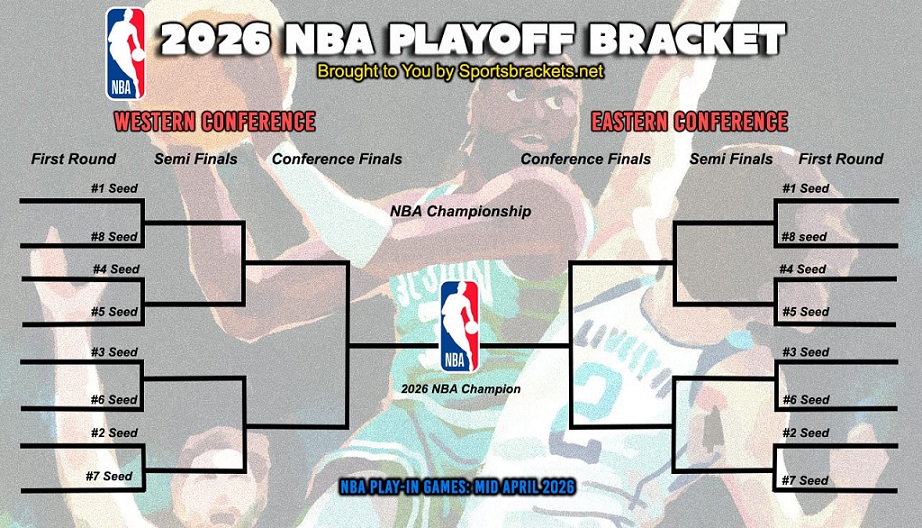

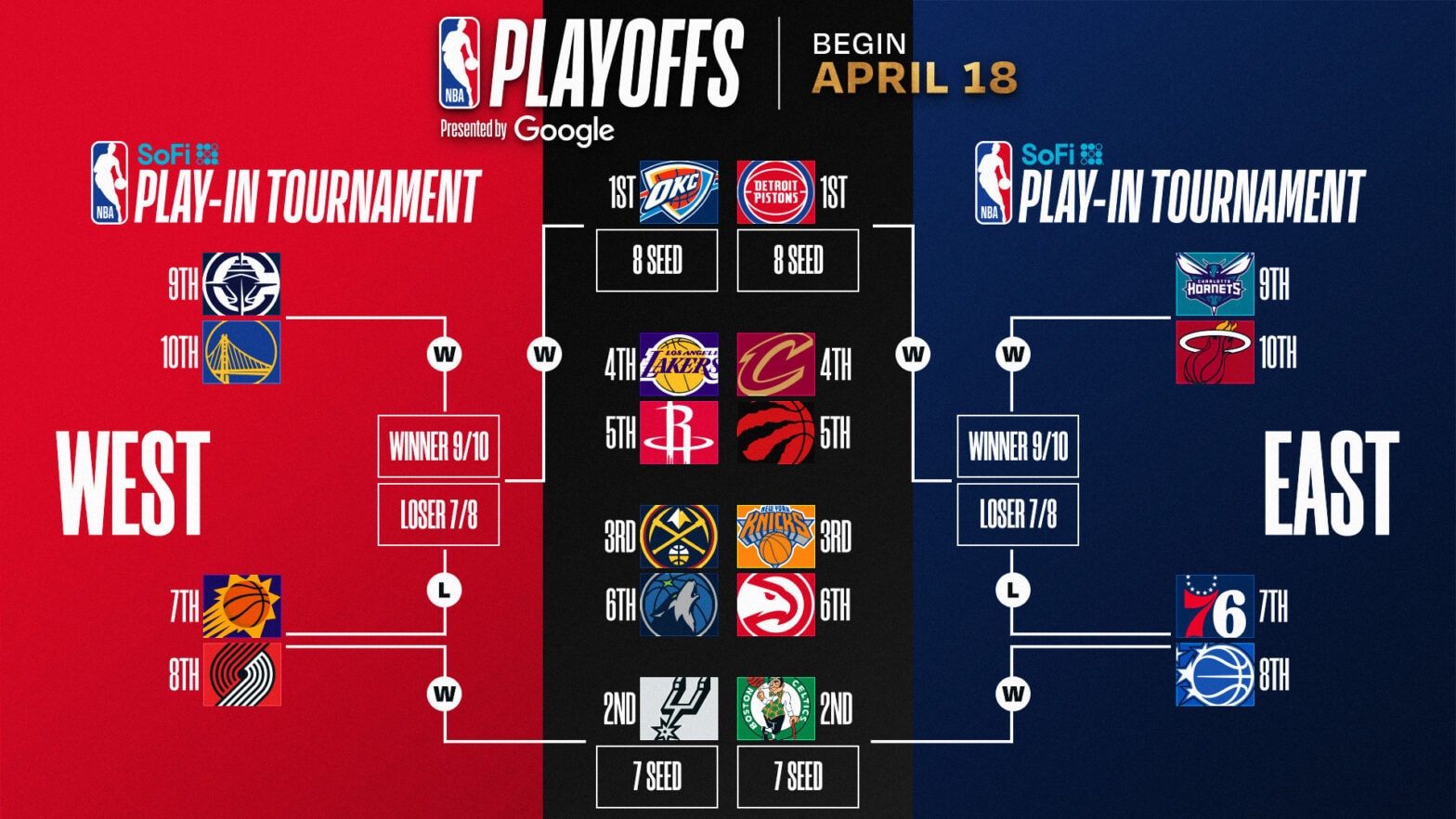

How Many Games Are In An NBA Season 2026 Printable 2026 NBA Playoff Bracket . 2026 World Cup Playoff Draw Explained How Does It Works For Europe Po1 . Everything To Know About 2026 SoFi NBA Play In Tournament V1 Playoffs Picture 2026 Template Results 16x9 YTThumbnail 1568x882 . PS5 2026 Preview PlayStation Shows Off A Brilliant Start These Games Playstation 2026 Teaser.webp. World Cup 2026 Draw Who Is Already Qualified Why Won T We Know The Image 7 3


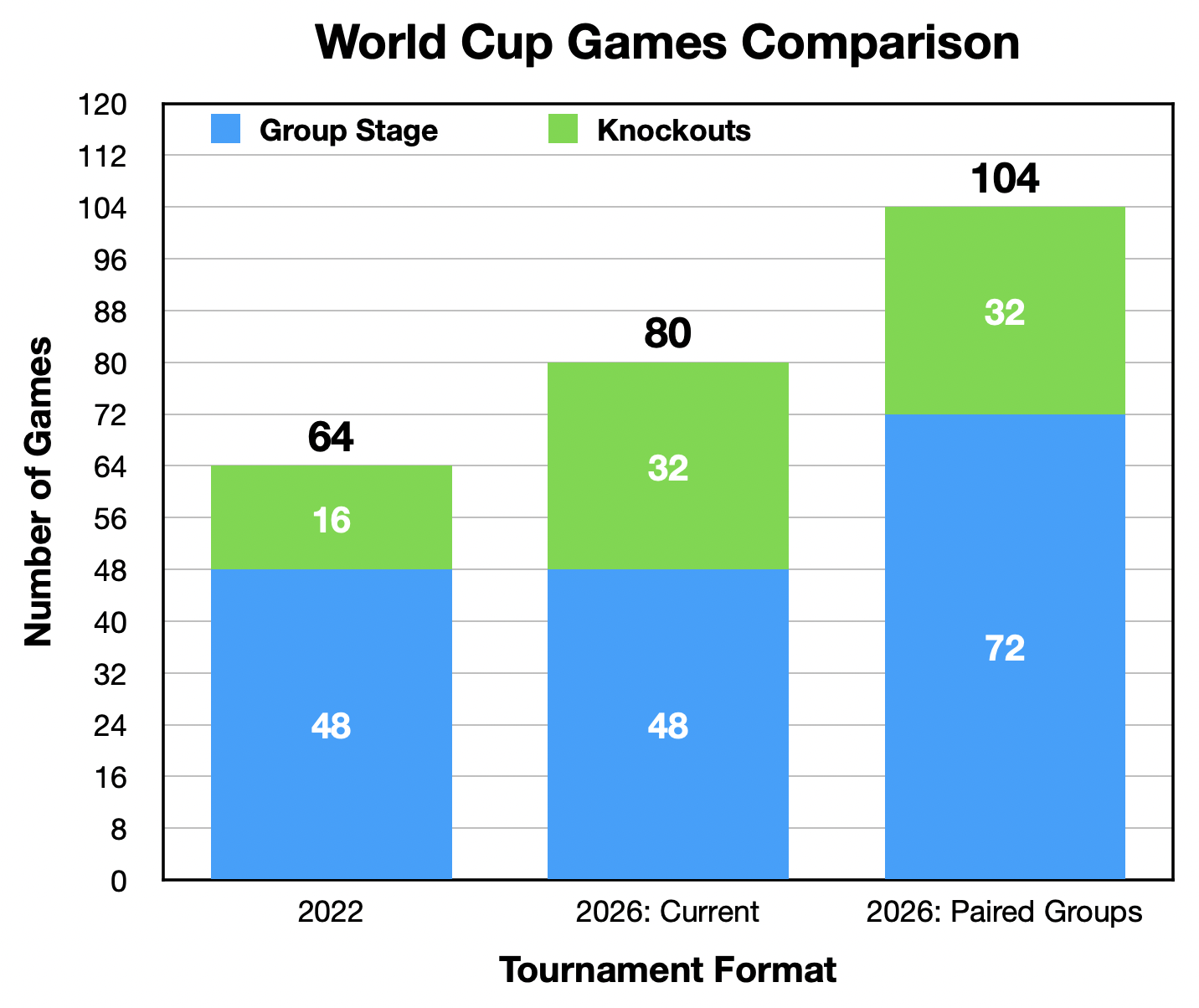

2026 World Cup Playoffs UEFA Qualifiers Explained Archyde I. FIFA World Cup 2026 Inter Play Offs 2026 FIFA World Cup Playoffs. FIFA World Cup 2026 European Qualifiers Fixtures Teams Groups FIFA World Cup 2026 European Qualifiers . 2026 World Cup Format Nath N Goldberg Crenier Screen Shot 2022 04 29 At 12.15.01 AM . How Many NHL Players Are In The 2026 Winter Olympics Milano2026 768x852
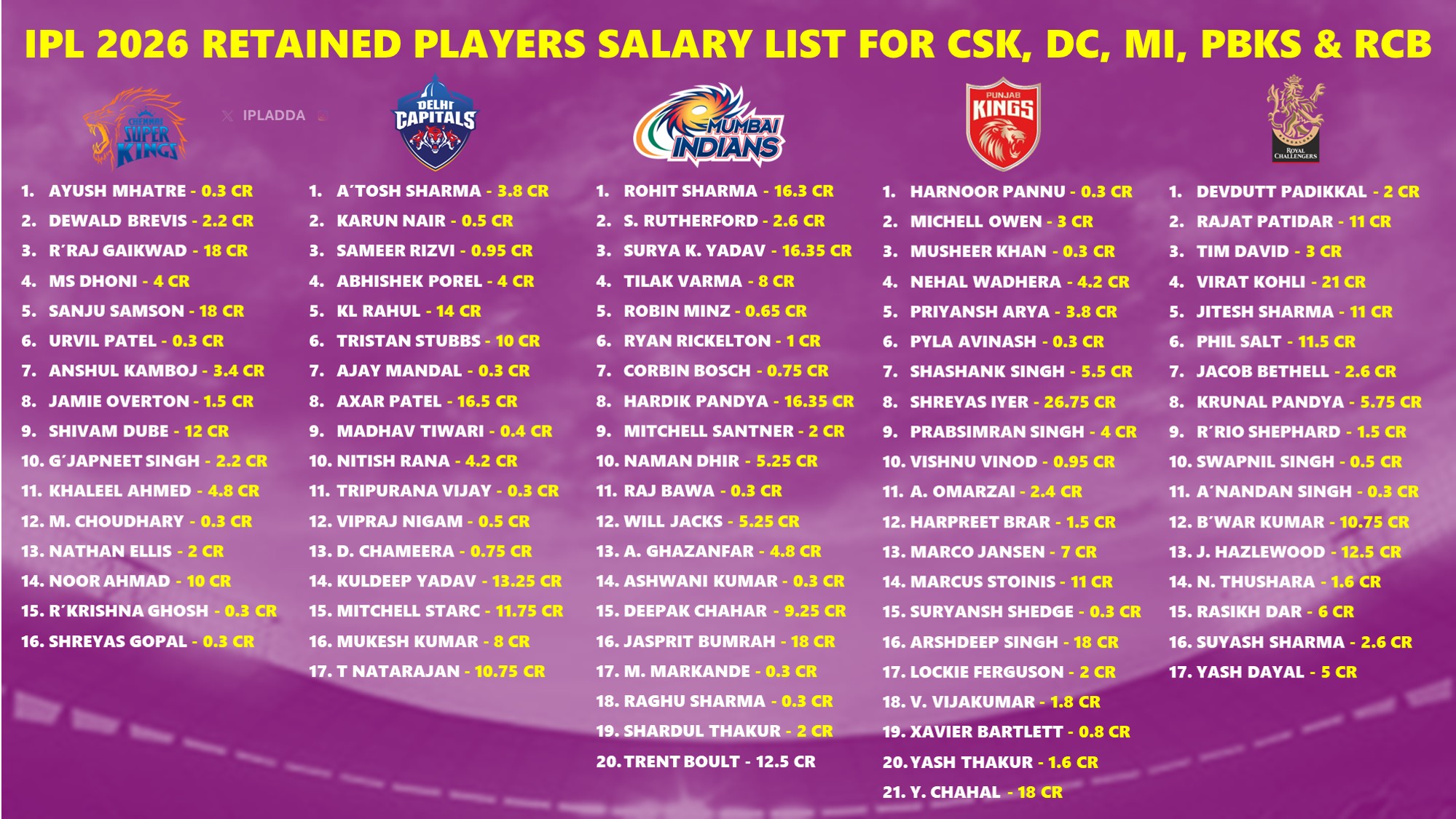
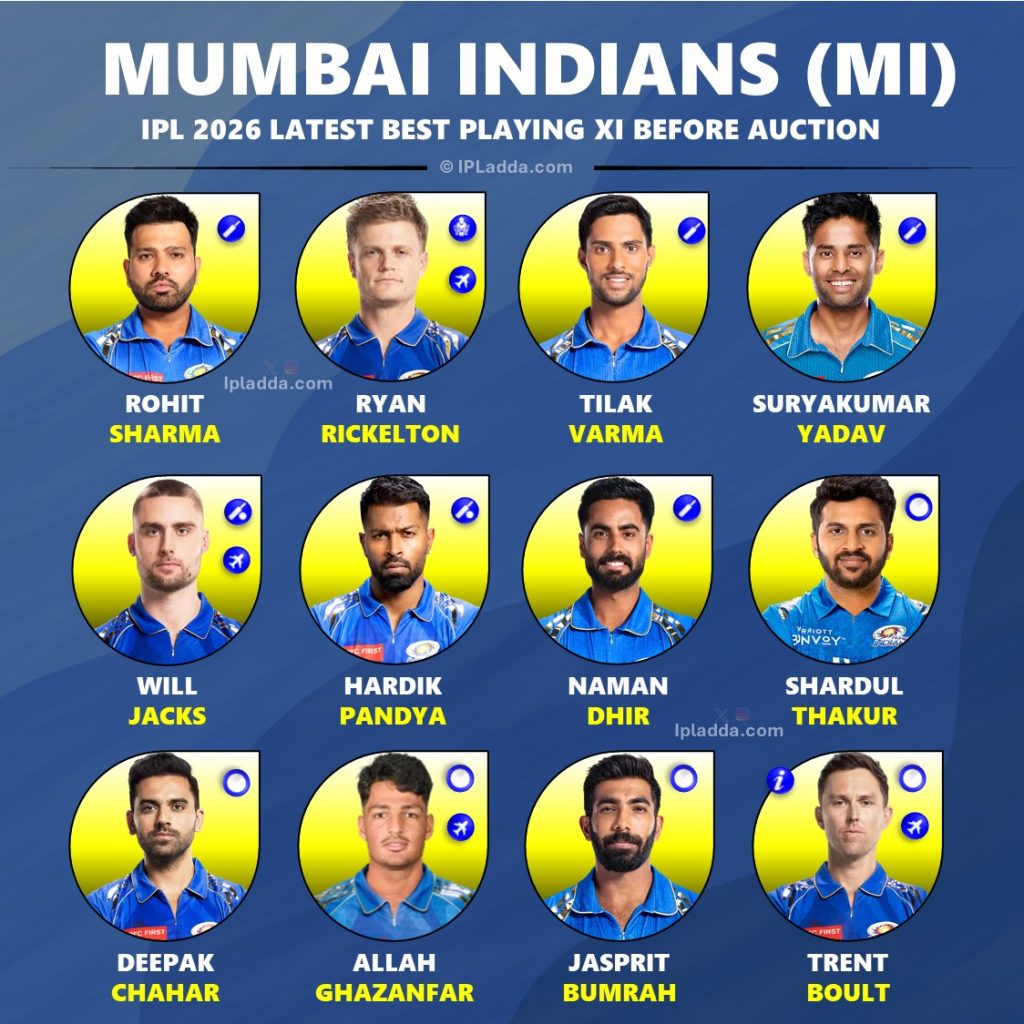

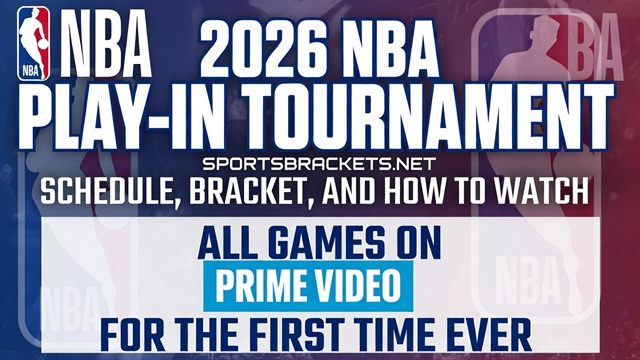
IPL 2026 All 10 Teams Retained Players Salary List And Purse Left IPL 2026 All 10 Teams Retained Players Salary List And Purse Left . IPL 2026 Mumbai Indians MI Retained Players Best Playing 11 IPLadda IPL 2026 Mumbai Indians MI Retained Players Best Playing 11 1024x1024 . 2026 Mezha.webp. 2026 NBA Play In Tournament Final Matchups Official Schedule And 2026 NBA Play In Tournament Featured . Group Play Schedule Revealed For 2026 FIFA World Cup AnewZ 20991 2025 12 06t183239z 285716349 Rtrmadp 3 Soccer Worldcup Draw Schedule F.JPG



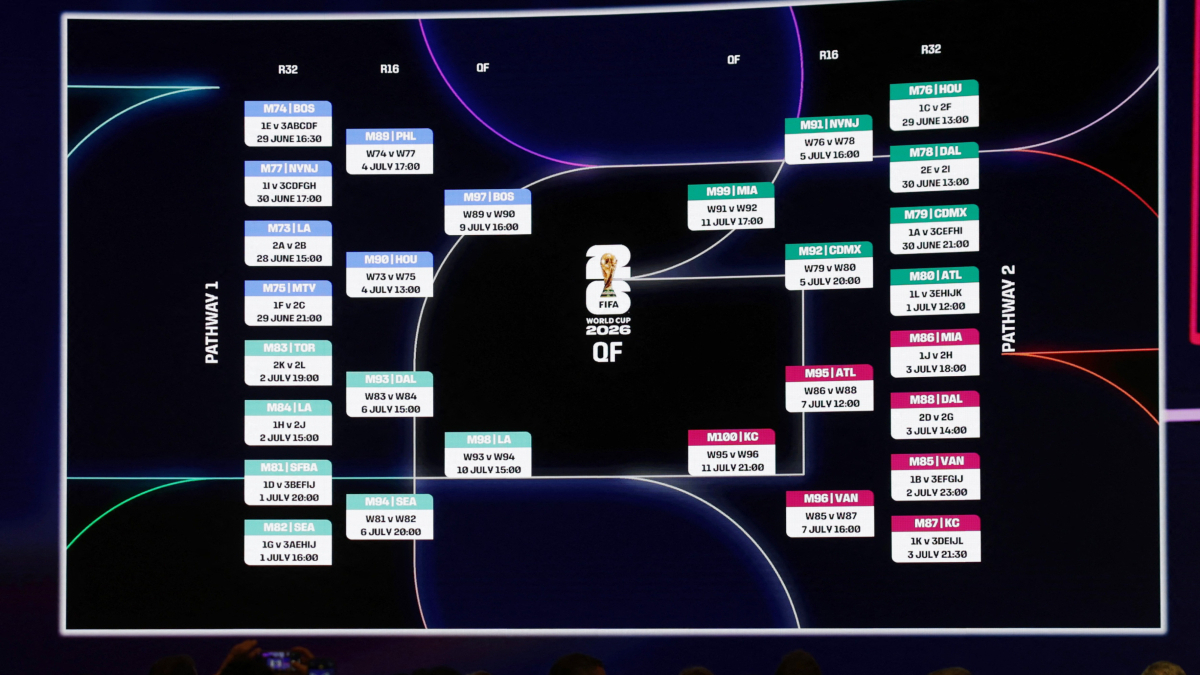
2026 World Cup Round Of 32 Clashes Major Clashes In Round Of 32 2026 FIFA World Cup Round Of 32 Clashes Schedule. How Many Teams In Fifa World Cup 2026 Athleteism For Sports And Fifa World Cup 2026 Teams Snd8c . Soccer World Cup 2026 Schedule Large. Ultimate Guide To The 2026 FIFA Schedule Mark Your Calendars . Germany Squad For FIFA World Cup 2026 Players Lineup And Key Stars Key Players To Watch In FIFA World Cup 2026.webp



World Cup 2026 How Much Would It Cost To Go As An England Or Scotland 4a573810 8e3b 11f0 9cf6 . Haaland 2026 FIFA World Cup Will He Play And Make History Neymar 2026 FIFA World Cup 1024x656 . FIFA World Cup 2026 The Ultimate Guide For Fans 2026 FIFA World Cup UEFA. FIFA World Cup 2026 Match Schedule Dates Kick Off Times And Stadiums. New Year New Sport Find Sports Activities Near You In 2026 Find Your Play 2026 2.webp
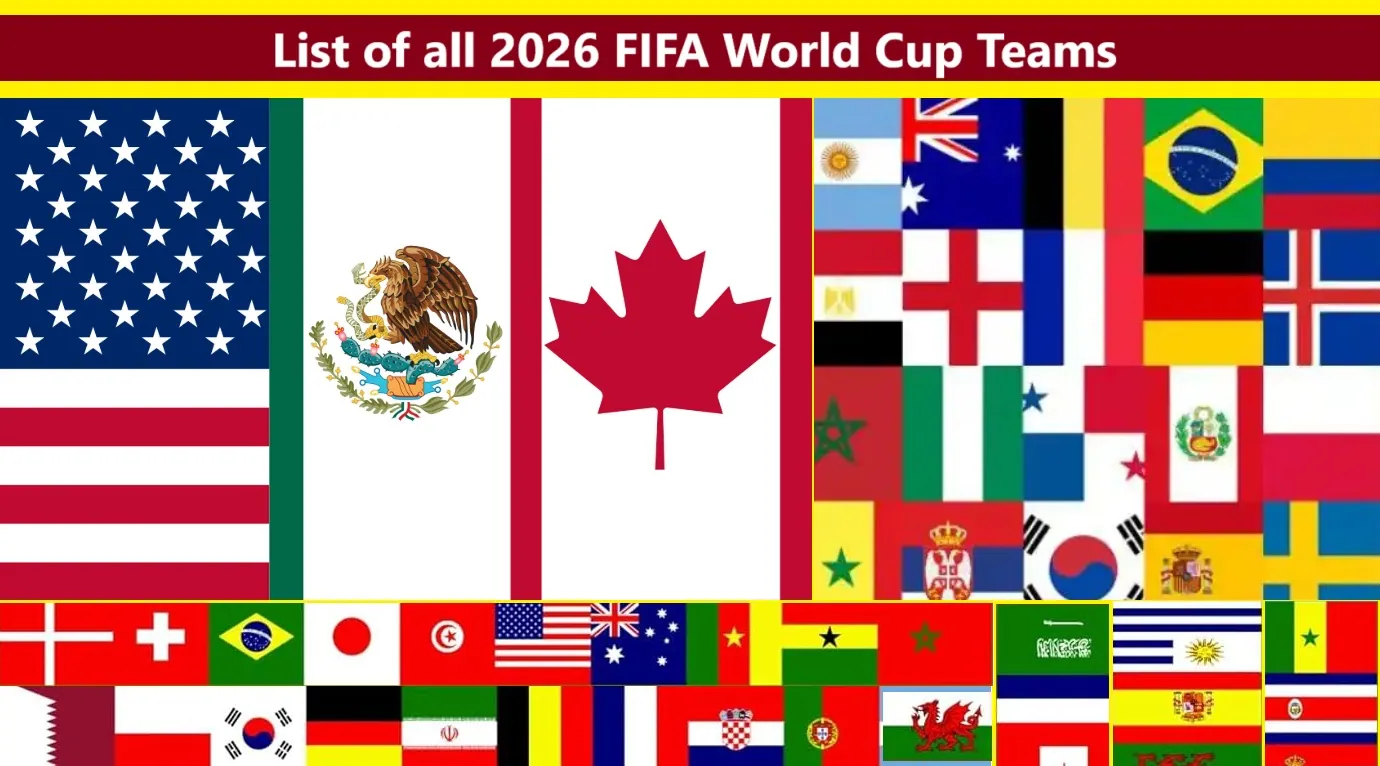
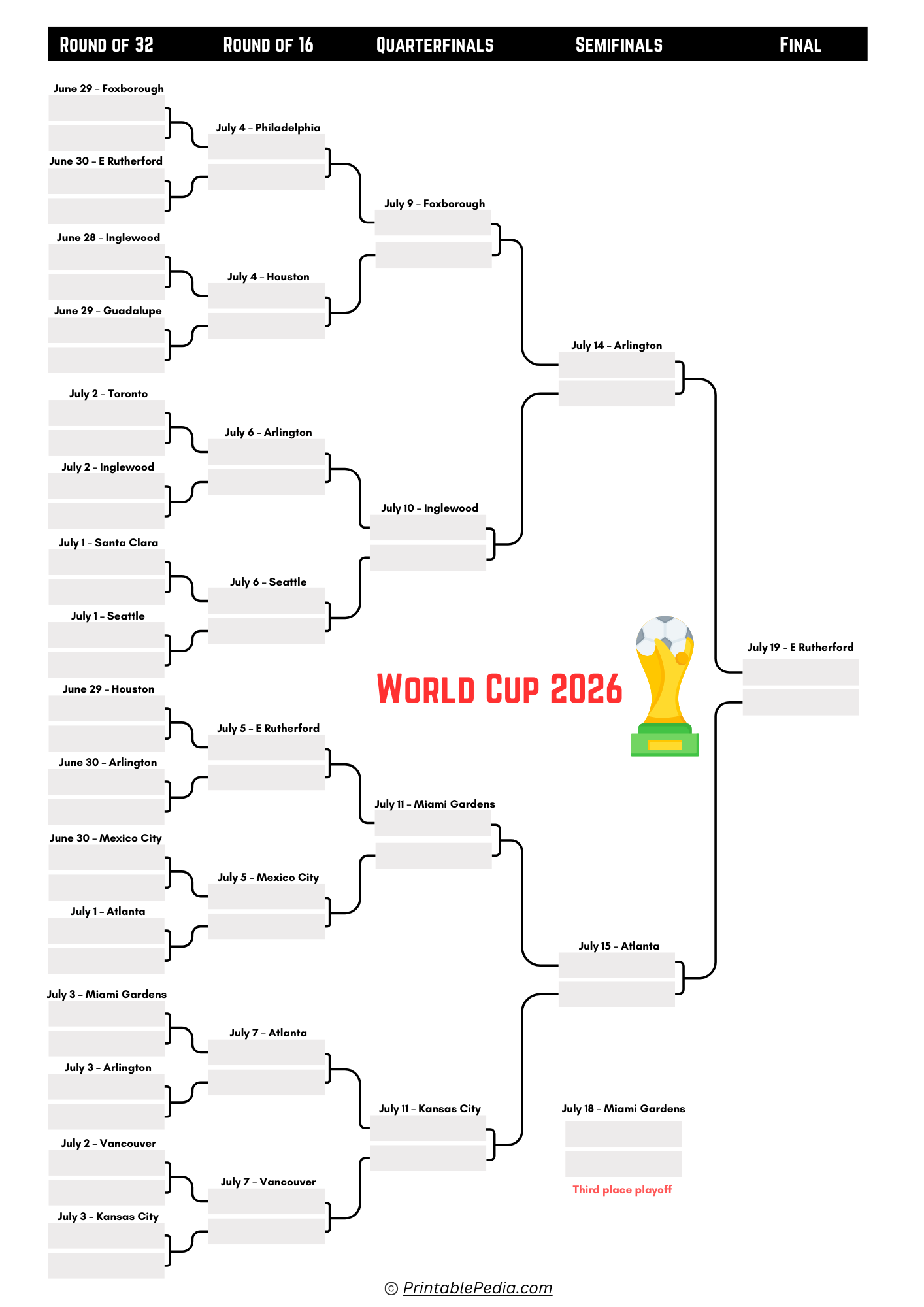
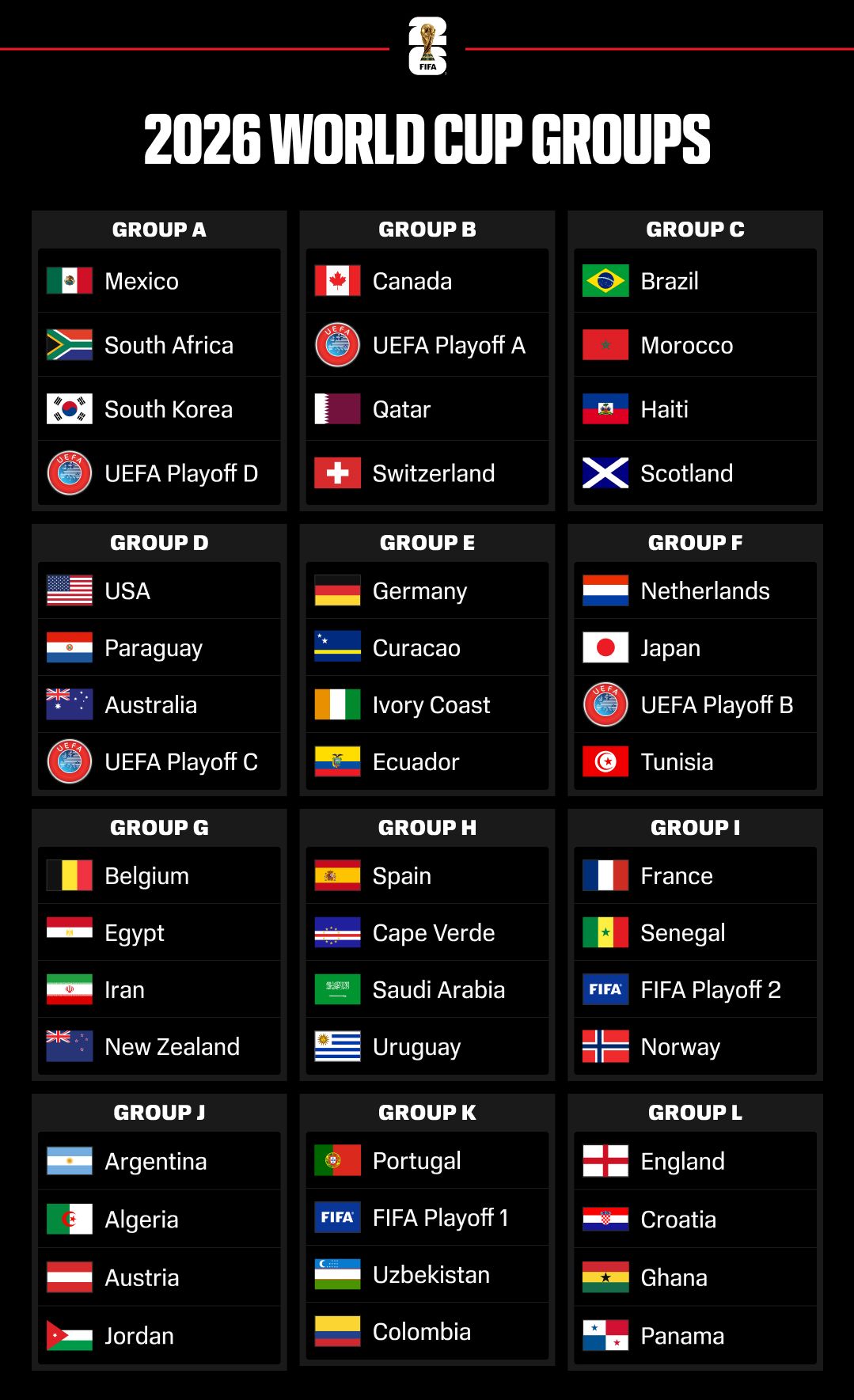
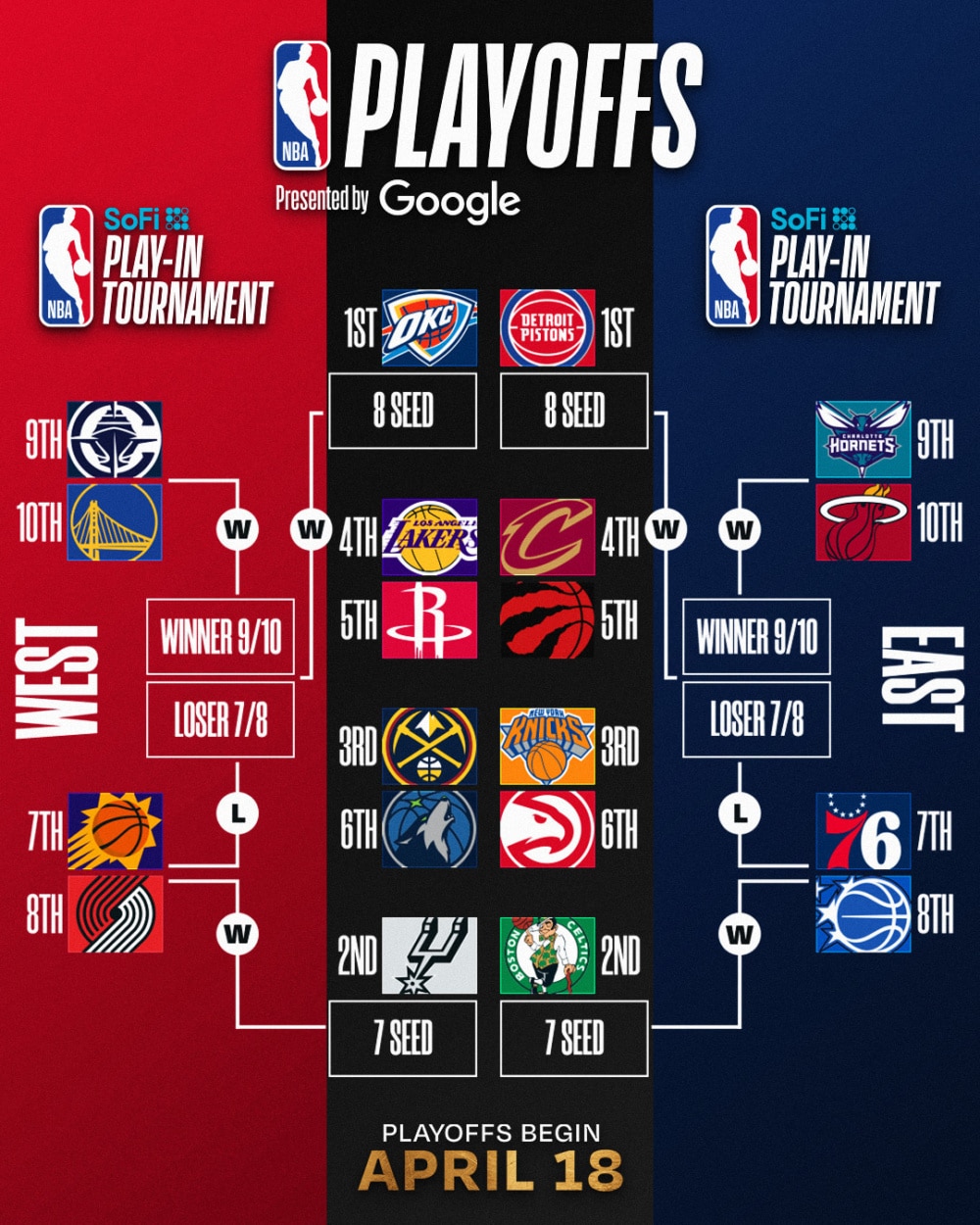

2026 27 UEFA Nations League Teams Schedule And Key Details List Of All 2026 FIFA World Cup Teams .webp. World Cup 2026 Schedule Locations Map Printable FIFA World Cup 2026 Bracket . 2026 World Cup Rosters Predicting Starting XIs For Contenders ESPN R1585359 1079x1769cc . Everything To Know About 2026 NBA Play In Tournament Latino Sports 1000x1250 . World Cup 2026 Format How Many Teams And Key Dates Image 2
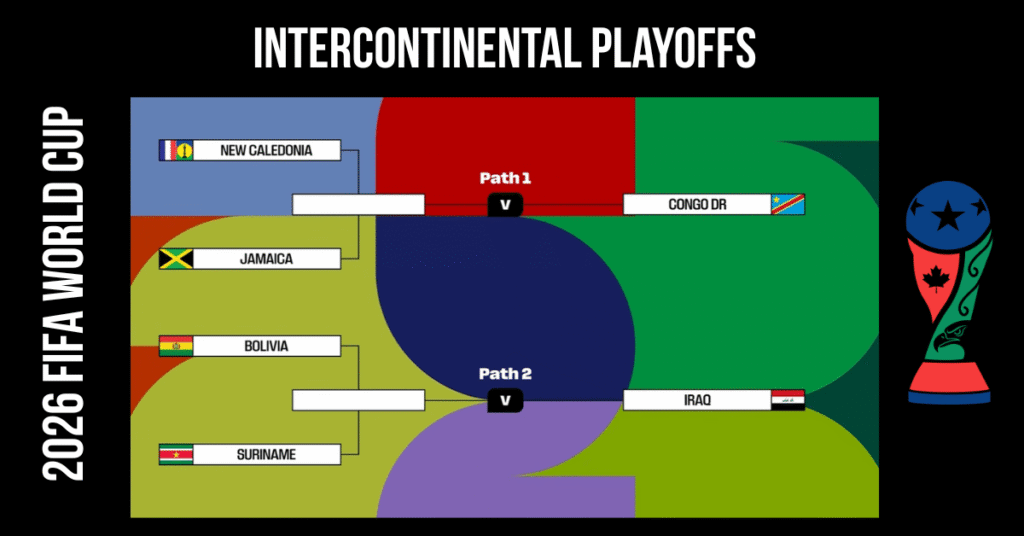

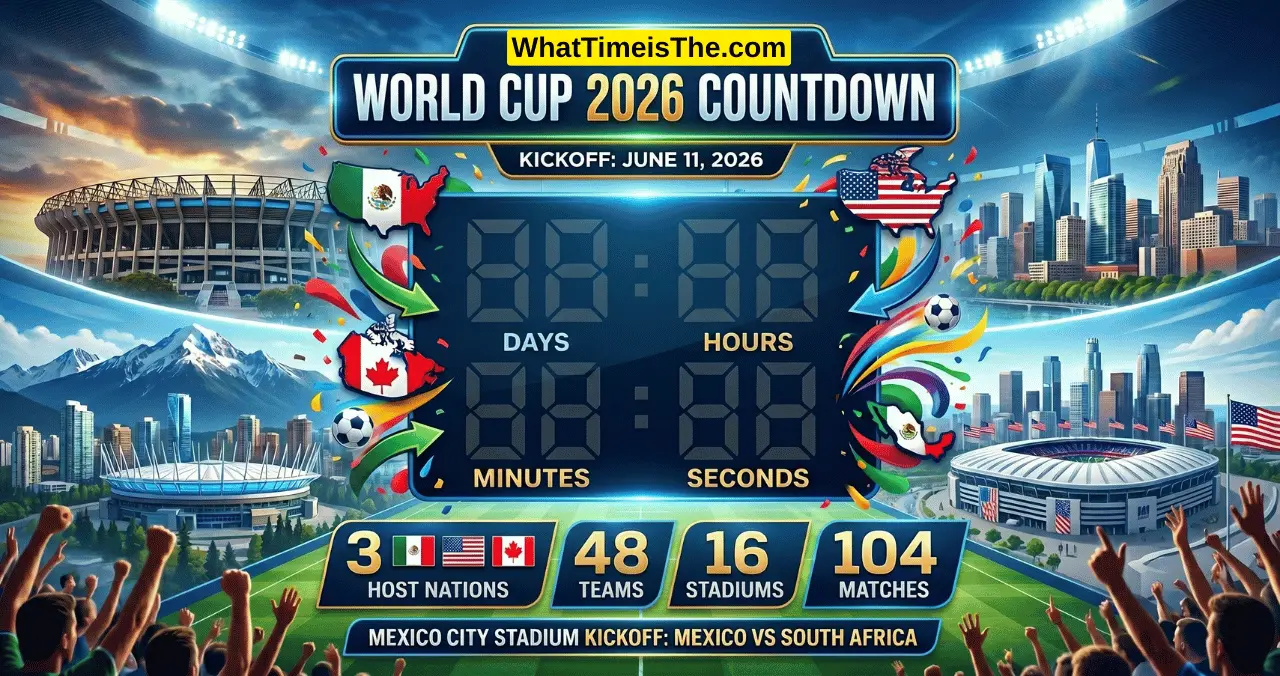

2026 World Cup Playoffs Full Schedule Results 2026 World Cup Playoffs 1024x536 . SONY S PlayStation State Of Play 2026 Games VIDEO TRAILER YouTube . World Cup 2026 Countdown How Many Days Until Kickoff World Cup 2026. The 94 Most Exciting Games Of 2026 Eurogamer Net 2026 Best . 2026 World Cup How Much Does The Cheapest Ticket To The Opening Match MUNDIAL 2026 FIFA