Ever wondered about the birthplace of one of the world's most dynamic sports? For gamers balancing intense raids with real-life responsibilities, quick, engaging insights into fascinating origins are golden. Discover precisely where the game of basketball was created, exploring the innovative mind behind its invention and the humble beginnings that launched a global phenomenon. This informational guide delves into the historical context, the initial design challenges, and how its foundational principles resonate even in today's digital sports simulations. Uncover the story of James Naismith, the simple equipment used, and the rapid spread from a small gymnasium in Massachusetts. Learn about the practical solutions that shaped the game, offering a fresh perspective for anyone who appreciates thoughtful game design and enduring legacies, whether on the court or in competitive online arenas. Navigate the historical facts that define basketball's genesis and understand its lasting impact.
What was the core problem James Naismith was trying to solve when he created basketball
James Naismith, a Canadian physical education instructor, was tasked in 1891 with creating a new indoor game that was less rough than football or soccer but still engaging, to keep his students at the International YMCA Training School in Springfield, Massachusetts, active during the harsh New England winters. He wanted a game that relied more on skill than brute force, thereby reducing injuries and promoting fair play among a diverse group of participants.
How did peach baskets become the first hoops in basketball
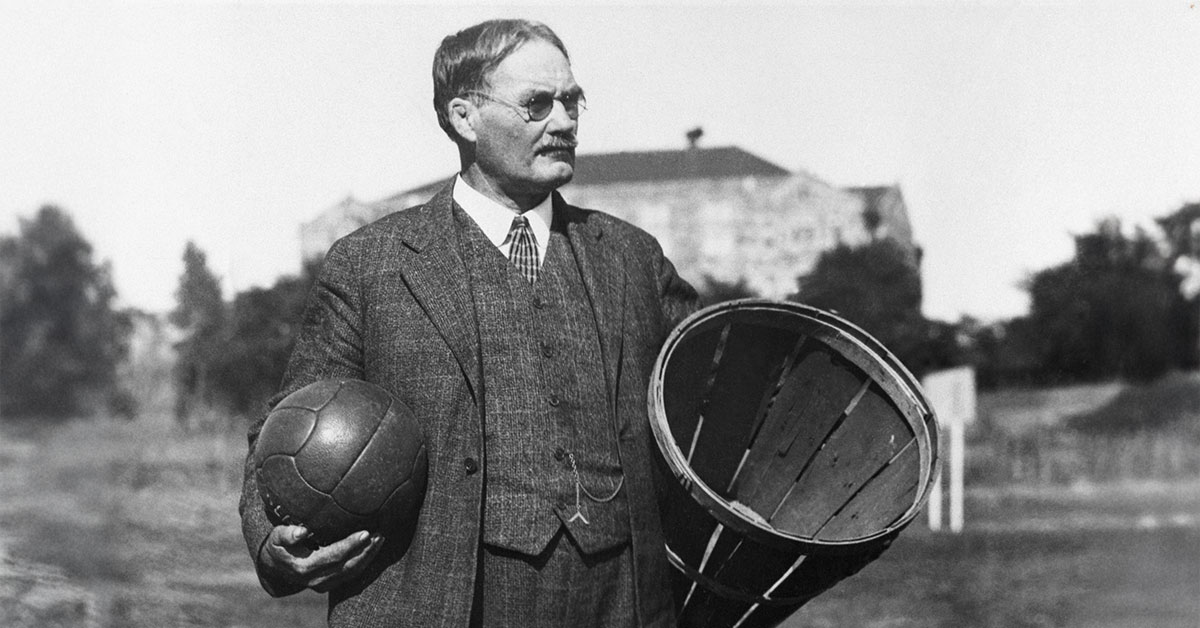
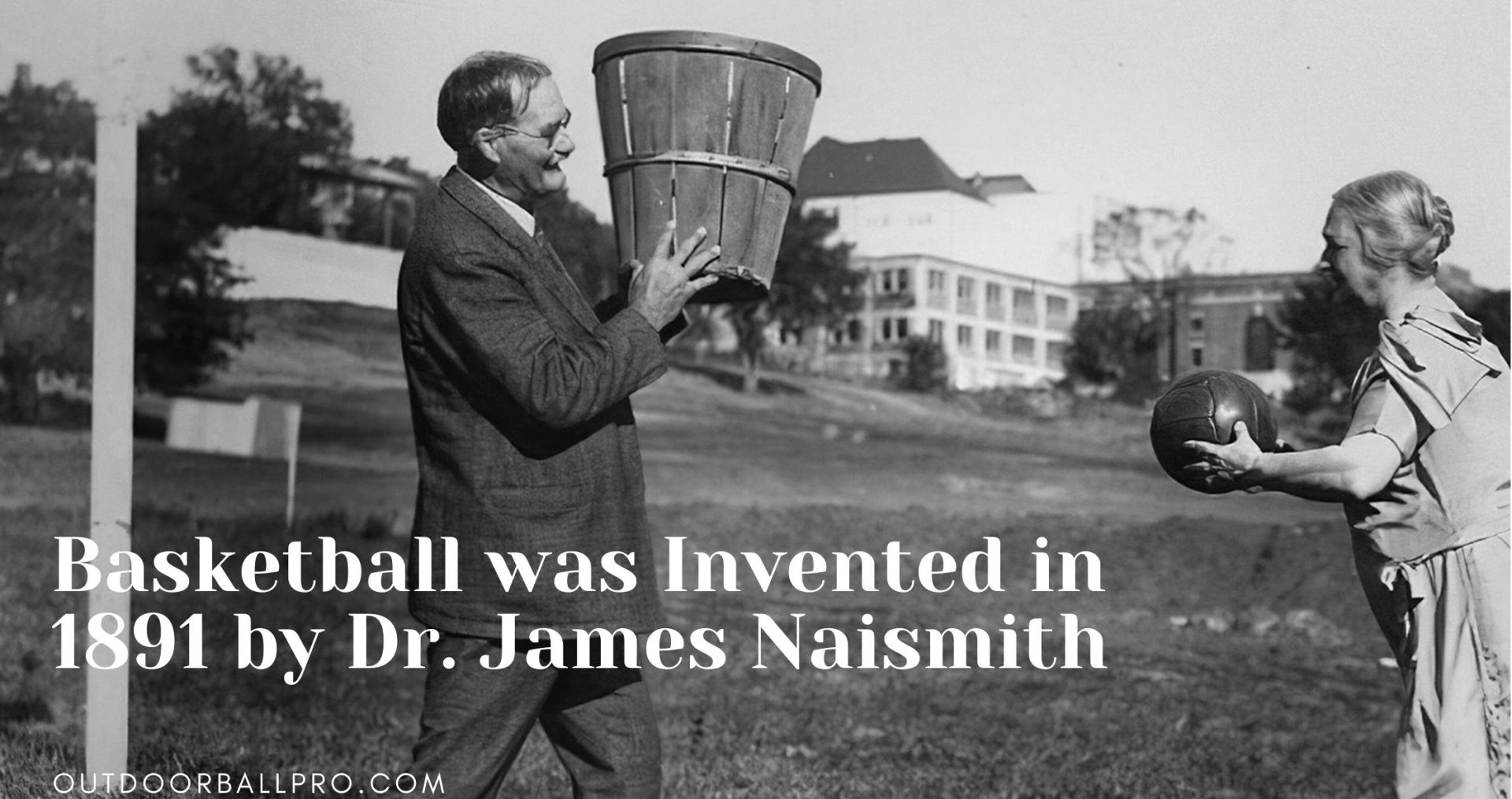
When Naismith was brainstorming equipment for his new game, he needed elevated goals that wouldn't allow players to guard them directly, preventing aggressive tackles. He reportedly asked the building's janitor for two boxes, but the janitor only found two peach baskets. These baskets were nailed to the gymnasium balcony railings, about 10 feet off the ground, establishing the iconic hoop height that remains to this day. After each successful shot, someone had to climb a ladder to retrieve the ball.
Who were the first people to play the game of basketball
The very first players of basketball were the 18 students in James Naismith's physical education class at the International YMCA Training School in Springfield, Massachusetts. These young men were training to become YMCA secretaries and physical directors themselves, and they became the initial test subjects for Naismith's innovative new sport. Their feedback, and Naismith's observations, helped refine the early rules of the game.
Why is Springfield Massachusetts considered the birthplace of basketball
Springfield, Massachusetts, holds the undisputed title of the birthplace of basketball because it was at the International YMCA Training School (now Springfield College) in this city that James Naismith conceived and first introduced the game in December 1891. The first rules were drafted there, the first game was played there, and the sport was developed and refined within its walls. The Naismith Memorial Basketball Hall of Fame, a testament to the sport's origins, is also located in Springfield.
What were some surprising original rules of basketball that are different today
Many early rules of basketball would surprise modern players. For instance, dribbling as we know it wasn't allowed; players could only advance the ball by passing it. A player could not run with the ball at all once they caught it. Fouls included striking the ball with the fist, and two consecutive fouls by one side would result in a point for the opponents. There were no out-of-bounds lines as defined today; the ball was awarded to the first player to touch it after it went out.
How did basketball manage to spread so quickly after its invention
Basketball's rapid global spread was largely due to its connection with the YMCA. The students in Naismith's class were training to become YMCA physical education directors, and as they graduated and moved to YMCAs across the United States and even internationally, they took the game with them. The simple equipment requirements (two baskets, a ball, and a gym) and its appeal as an indoor winter sport made it easily adoptable. Within a few years, it had reached Canada, Europe, and Asia.
Is there a specific date considered the official birth of basketball
While the exact date of the very first game is debated among historians, it is widely accepted that James Naismith introduced the game of basketball to his class in December 1891. This month and year are universally recognized as the official birth of the sport. The formal public introduction of the rules and the first recorded public game happened shortly after, in January 1892.
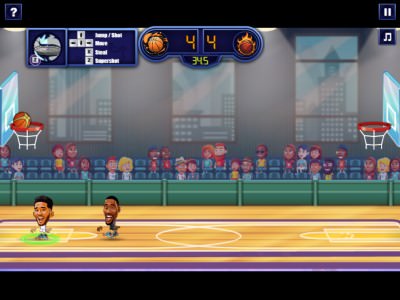
Hey fellow gamers! Ever find yourself taking a quick break from leveling up or squad battles, maybe scrolling through some history facts, and wondering about the origins of something as fundamental as basketball? For us who balance raiding with real-life responsibilities, hitting those daily quests at work, or grinding out family time, finding a moment to dive deep into historical trivia can be a rare treat. But just like mastering a new game's lore can unlock deeper appreciation, understanding where legendary sports like basketball came from can give you a cool, informed edge. It's not just about stats and scores; it's about the ingenuity behind the creation, the initial design choices, and how those first iterations set the stage for everything that came after, even influencing sports games we play today.
We're all looking for that sweet spot of relaxation and skill-building, whether it's optimizing our gaming rig or optimizing our understanding of the world. And believe it or not, the story of basketball's birth is a masterclass in problem-solving, much like figuring out that tricky boss mechanic or finding the best budget GPU. According to recent US gaming stats, an impressive 87% of gamers play regularly, often dedicating 10+ hours a week, with mobile gaming dominating and social play trending. This means we value accessibility and engaging experiences, traits intrinsic to basketball's original design. So, grab your favorite beverage, maybe between matches, and let's uncover the fascinating origin story of basketball, a game that started with a simple problem and a brilliant solution, right here in the US.
Where Exactly Was The Game Of Basketball Created
The game of basketball was definitively created in Springfield, Massachusetts, United States. Specifically, it was invented at the International YMCA Training School, which is now known as Springfield College. This institution served as a hub for physical education innovation during the late 19th century, making it the perfect environment for a new sport to emerge. The historical significance of this location is immense, as it birthed a game that would eventually captivate billions worldwide, evolving from a simple indoor pastime into a global athletic and cultural phenomenon.
For gamers, think of Springfield as the 'spawn point' or 'origin server' for basketball. It's where the initial code was written, the first players tested the mechanics, and the early patches were implemented. Understanding this geographical origin is crucial to appreciating the game's journey. It highlights how a localized need for winter recreation blossomed into an international sensation, much like how an indie game developed in a small studio can suddenly explode onto the global esports scene, influencing countless players and even inspiring new hardware upgrades for optimal performance.
Who Invented Basketball And Why
Basketball was invented by James Naismith, a Canadian physical education instructor, theologian, and physician. He was teaching at the International YMCA Training School in Springfield, Massachusetts, in December 1891. Naismith was tasked with creating a new indoor game that was less rough than football or soccer but still engaging, to keep his students active during the harsh New England winters. He sought a sport that relied more on skill and strategy than brute force, aiming to reduce injuries and promote fair play among participants. This focus on skill over physicality made it an instant hit.
Naismith's motivation was to provide a 'fair game for all' that avoided direct physical contact, which often led to injuries and dissatisfaction among students. He observed existing sports and meticulously designed rules to achieve this balance, envisioning a game where players threw a ball into an elevated goal. This innovative approach to game design, solving a clear problem with elegant rules, resonates with gamers today who appreciate balanced gameplay, clever mechanics, and titles that prioritize fun and skill over frustration. It's a testament to how creative problem-solving can yield enduring and beloved experiences.
When Did James Naismith Invent Basketball
James Naismith invented basketball in December 1891. The precise date of the very first game is often debated, but the month and year are universally recognized as the sport's genesis. Naismith worked diligently to develop the 13 original rules and set up the first game with his class during this winter period. The urgency came from the need to offer a stimulating, safe indoor activity during the cold months, which often led to boredom or overly aggressive play among students accustomed to outdoor sports.
The quick turnaround from concept to play demonstrates Naismith's ingenuity and the immediate need for such a game. For gamers, this is akin to a rapid development cycle for a highly anticipated title, where a clear problem (lack of engaging indoor winter sport) leads to a swift, effective solution (basketball). This period marked the beginning of a sporting revolution, showcasing how impactful a well-thought-out, timely invention can be. It's also a reminder that sometimes the best solutions come from simple, direct approaches, avoiding unnecessary complexity—a philosophy many gamers appreciate in new releases.
What Were The Original Rules Of Basketball Like
The 13 original rules of basketball, drafted by James Naismith, were remarkably simple and aimed at minimizing physical contact while maximizing skill. For instance, dribbling as we know it today wasn't allowed; players could only advance the ball by passing it. Running with the ball once caught was strictly forbidden. The game also started with a jump ball at the center. If a ball went out of bounds, it was awarded to the first player to touch it, leading to often chaotic scrambles.
Scoring involved throwing the ball into a peach basket nailed to the gymnasium balcony. After each score, the game would pause for someone to climb a ladder and retrieve the ball. Fouls were defined, and two consecutive fouls by one side would result in a point for the opponents. These rules emphasized passing, teamwork, and precision over brute strength, aligning with Naismith's vision for a less injury-prone sport. Modern gamers might find these early mechanics a bit clunky, but they represent the foundational 'game engine' from which all subsequent versions evolved, demonstrating iterative design at its core.
How Did Basketball Spread Beyond Springfield
Basketball's rapid global spread was largely due to its ingenious connection with the YMCA (Young Men's Christian Association) network. The students in James Naismith's class were training to become YMCA physical education directors, missionaries, and secretaries themselves. As these graduates completed their studies and were assigned to YMCAs across the United States and eventually around the world, they took the game with them.
The simplicity of the game's equipment requirements – two baskets, a ball, and an indoor space – also facilitated its quick adoption. YMCAs everywhere had gymnasiums and a mission to provide wholesome recreational activities. This grassroots viral spread, driven by dedicated individuals and an easily replicable setup, allowed basketball to quickly take root in various communities. It's a fantastic example of a community-driven phenomenon, much like how a popular new indie game title can spread like wildfire through word-of-mouth and enthusiastic content creators on platforms like Twitch and YouTube, even without massive marketing budgets. This organic growth allowed basketball to reach Canada, Europe, Asia, and beyond within just a few years, becoming a truly international sport by the turn of the 20th century.
Were There Any Early Challenges To Basketball's Growth
Despite its rapid adoption, basketball faced several early challenges during its formative years. One significant issue was the lack of standardized rules across different regions and organizations. As the game spread, various groups began to modify Naismith's original 13 rules, leading to inconsistencies that made inter-organizational play difficult and sometimes confusing. This fragmentation is not unlike the early days of online gaming, where different server rules or modded clients could create disparate experiences, causing setup issues or performance problems for players trying to connect.
Another challenge was the actual equipment. Relying on peach baskets meant constant interruptions to retrieve the ball after each score, slowing down gameplay considerably. The absence of a proper backboard also meant spectators on balconies could interfere with shots. Additionally, the early game sometimes struggled with being perceived as 'too soft' by some who preferred more physical sports. However, these challenges spurred innovations, leading to the development of open-ended iron hoops, backboards, and eventual rule standardization by various athletic committees and, later, formal associations, streamlining the game for wider acceptance and competitive play. These early 'patches' and 'updates' were critical for its long-term viability.
How Has Basketball Evolved Since Its Creation
Basketball has undergone monumental evolution since its creation in 1891, transforming from a simple indoor pastime into a highly athletic, sophisticated global sport. The most significant changes include the introduction of dribbling (early 1900s), allowing players to advance the ball, and the removal of the bottom from the baskets, eliminating the need for manual ball retrieval after every score. The invention of the backboard prevented spectator interference and provided a surface for bank shots, drastically changing offensive strategies.
Over the decades, the game saw the introduction of the three-point line (1967 in the ABA, 1979 in the NBA), the shot clock (1954), and numerous rule adjustments concerning fouls, out-of-bounds, and player movement. These changes were aimed at increasing scoring, pace, and overall excitement, making the game more dynamic and spectator-friendly. The professionalization of the sport, particularly with the formation of leagues like the NBA, brought about heightened competition, specialized coaching, advanced training methods, and incredible athletic feats. For gamers, this evolution parallels how modern video games continuously refine mechanics, graphics, and competitive structures to enhance player experience and keep the meta fresh. Just like a popular game receiving regular updates and expansions to maintain its relevance, basketball has continually adapted to remain a thrilling and relevant sport.
What Role Did The YMCA Play In Basketball's Early Days
The Young Men's Christian Association (YMCA) played an absolutely pivotal role in the early days and subsequent global spread of basketball. The sport was literally born within the walls of a YMCA training school, as James Naismith was an instructor there. The YMCA provided the initial setting, the resources, and crucially, the network of physical education professionals who would become the early evangelists for the new game.
As students graduated from institutions like the International YMCA Training School, they dispersed to YMCAs across the United States and even internationally, introducing basketball to their new communities. The YMCA's mission to promote physical and spiritual well-being aligned perfectly with Naismith's vision for the game. Its widespread network of gymnasiums and programs offered ready-made venues and participant pools, allowing basketball to be taught and played on a massive scale without requiring significant infrastructure investment. Think of the YMCA as the original
Basketball invented Springfield Massachusetts 1891 by James Naismith at YMCA, originally used peach baskets, created as less injury prone indoor sport.
35

NBA Releases 2026 Finals Schedule Featuring Key Changes And Elimination NBA Releases 2026 Finals Schedule Featuring Key Changes And Elimination Of Sunday Games 1024x585 . Boys Basketball 2026 Northfield Embraces The Magic Of A Long Awaited 2026 News . Basketball Stars 2026 Basketball Games 1001Games Com Basketball Stars 2026 . Who Invented Basketball How Did This Sport Begin . Losing The Game We Invented American Basketball Youth Development ChatGPT Image Jan 24 2026 12 59 26 PM

Women S Basketball FIBA World Cup 2026 Basketball 455121905 N . Ncaa Basketball Final Four 2026 5192cda2 B940 46e7 B1aa 1920x1080 . Best Moments From MN 2026 Boys Basketball State Tournament Image. How Basketball Has EVOLVED Over The Years YouTube . Are There Any Basketball Games On Now What To Watch Basketball Stars 2026

How Did Basketball Change Over Time Evolution Of The Game V2 Bbu6v I3rbj . Basketball Im Blut CALVENDO 2026 GettyImages 1517816840 Scaled . National Basketball Association 1440 1440 Image. NCAA And Unveil Logos For 2026 Men S Final Four And DII Basketball Edition Read To The Final Four 16x9 . Basketball Stars 2026 Play Free Game On Orbit Kick Basketball Stars 2026
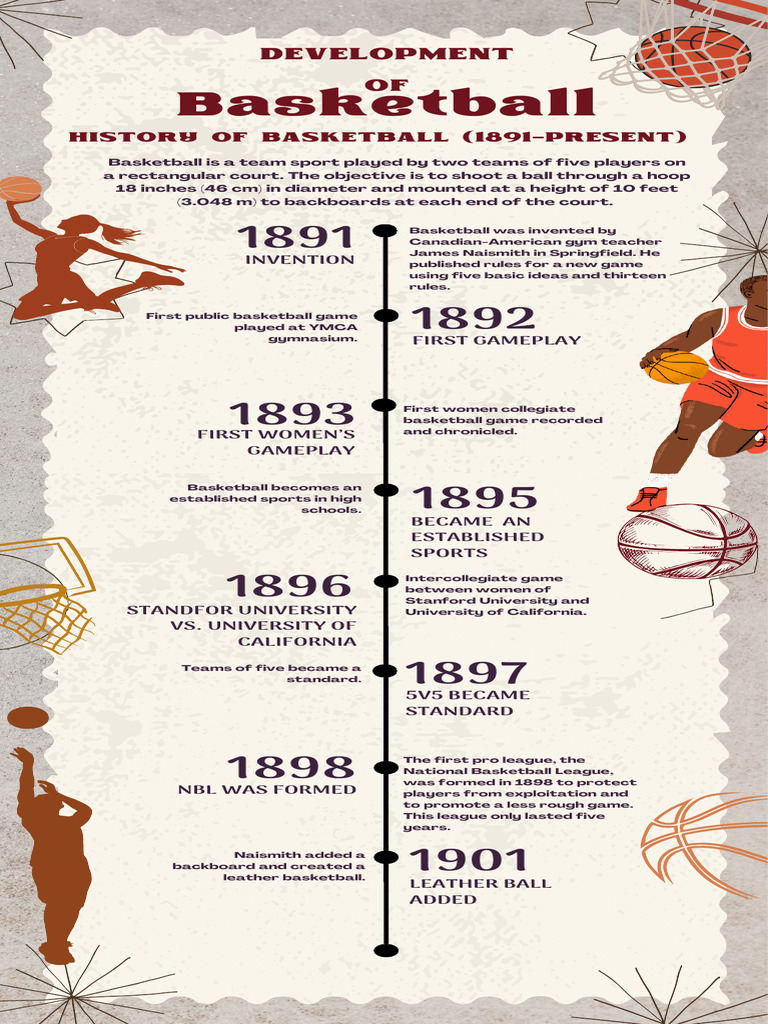

BASKETBALL TIMELINE PDF Sports Team Sports 1. Nations Confirmed For 3x3 Basketball At Glasgow 2026 . 2026 28 Basketball Conferences Approved By AAA Board Of Directors AAA C1b6f25a 05ee 49e9 8478 640x480 . The 2026 Bell AUS Basketball Presented By Gatorade The 2026 Bell AUS Basketball Presented By Gatorade 1000x0 C Default . 2026 Basketball Postseason Sites Announced AAA 1d5b2c34 D898 4cb3 Bc4c 640x480


Basketball Season 2026 Concept A Creative Featuring The Year 2026 1000 F 1827294666 . Who Invented Basketball How Did This Sport Begin Xl Basketball Stars 2026 1767952012 . Basketball Stars 2026 Play Basketball Stars 2026 On Retro Bowl 26 Basketball Stars 2026 Game . 5 DII Men S Basketball Teams To Watch In 2026 NCAA Com March Madness Basketball . Basketball Stars 2026 Play Online Html5 Basketball Stars 2026

Basketball Stars 2026 OzGames There S A Place To Play To Basketball Stars 2026.JPG. History Of Basketball How The YMCA Invented The Game YMCA History Of Basketball . Basketball Stars 2026 Play 2 Player Games Online Basketball Stars 2026.webp. NBA 2026 The Future Of Basketball By Helbert Hass On Prezi 3 0 . When Was Basketball Invented Where Why Who Created History When Was Basketball Invented


Australian Opals Guide To FIBA Women S Basketball World Cup 2026 Img 2338 Copy 3 3 . Mascot Basketball 2026 Vintage Sports Graphic By SK STORE Creative Mascot Basketball 2026 Vintage Sports Graphics 140552054 1 . 2026 National Games Games Basketball 1 Scaled . Naismith Basketball Hall Of Fame Announces 2026 Finalists NBA Com As26 Logo . How Did Basketball Change Over Time Evolution Of The Game V2 Bbu18 14qtp