Are you a dedicated Roblox player looking to elevate your in-game presence or showcase your creations with stunning visuals? Our comprehensive guide on Roblox GFXs is designed for you. Many adult gamers, balancing careers and family, struggle to find the time or know-how to produce professional-looking graphics. This article cuts through the noise, offering clear, actionable steps and expert tips to master GFX creation, even with a busy schedule. Discover the essential tools, techniques, and free resources to design captivating renders, profile pictures, and thumbnails that stand out. We address common pain points like software setup, rendering issues, and achieving high-quality results without breaking the bank or dedicating endless hours. Learn how to optimize your workflow, choose the right poses, and add effects that bring your Roblox characters and scenes to life. Whether you're aiming to boost your social gaming profile, promote your experiences, or even explore GFX commissions, this guide provides the navigational and informational insights you need to succeed. Stay current with the latest trends in Roblox GFXs and transform your visual game today.
What exactly are GFXs in Roblox and why should I care?
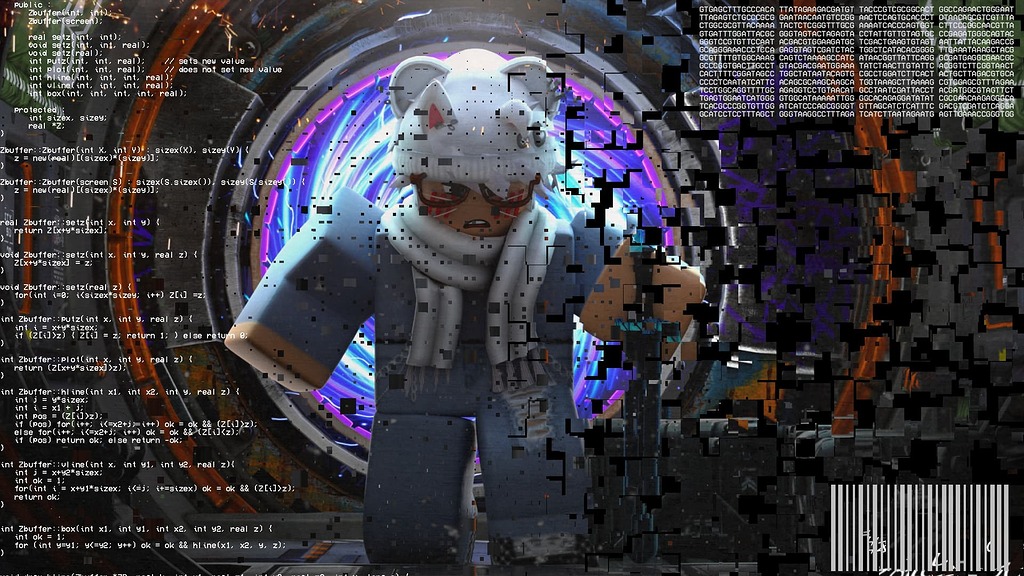
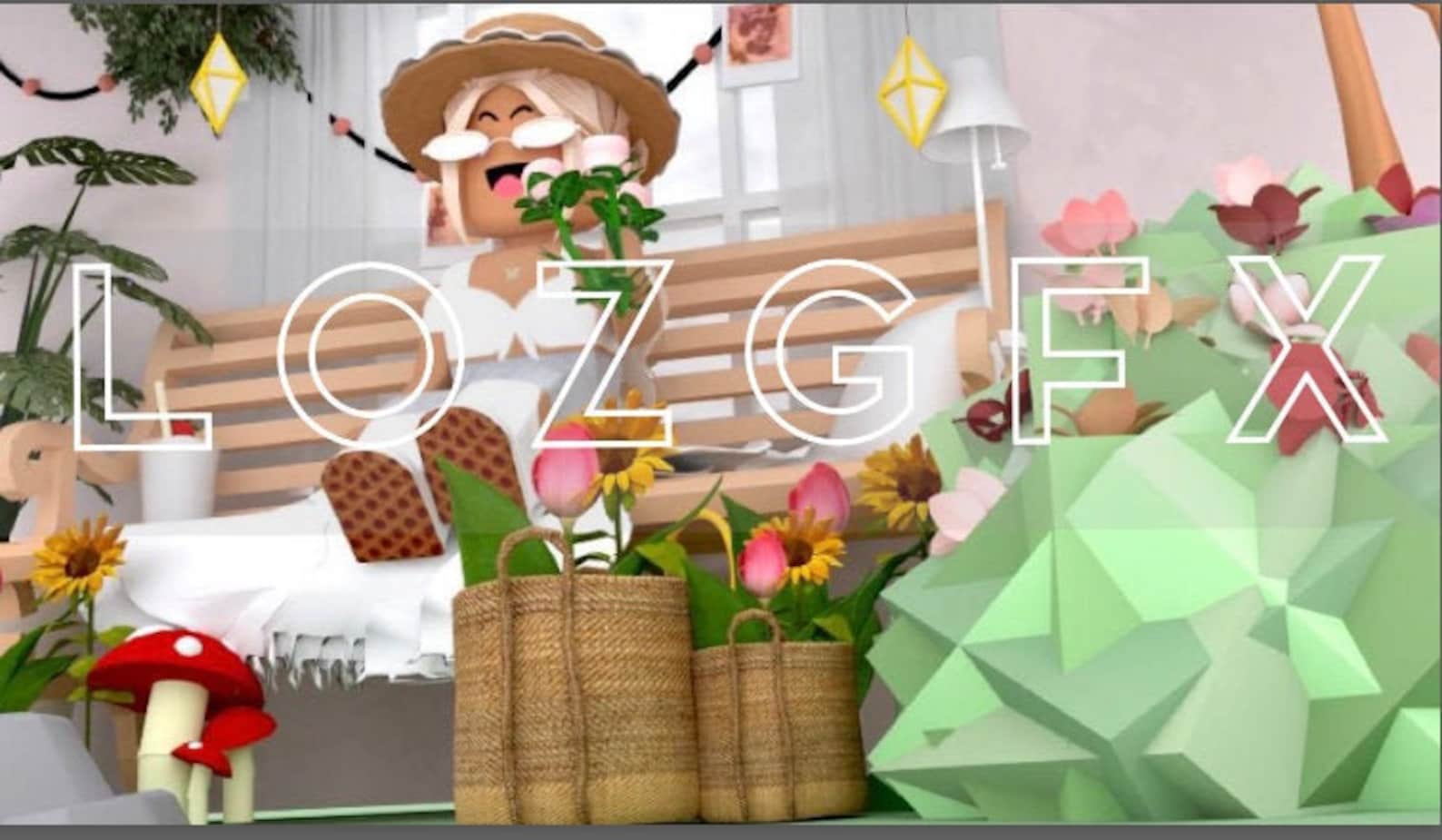
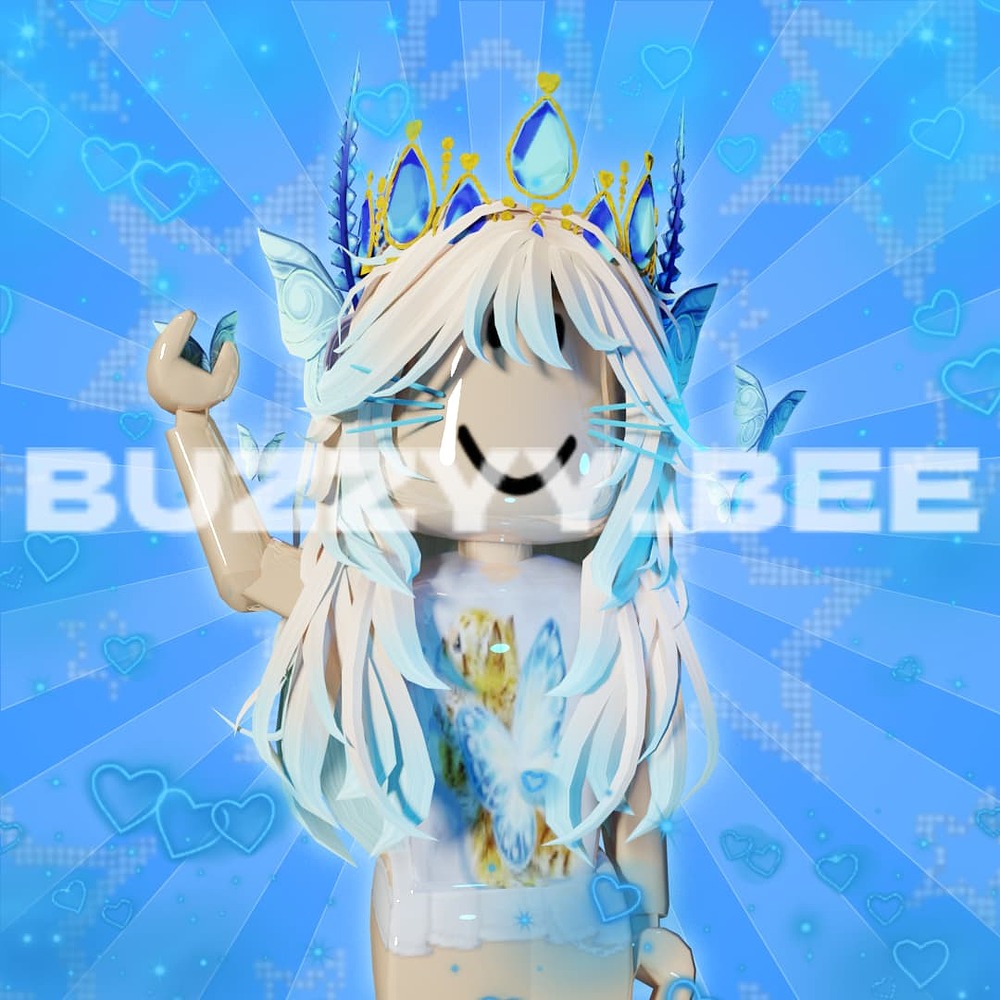
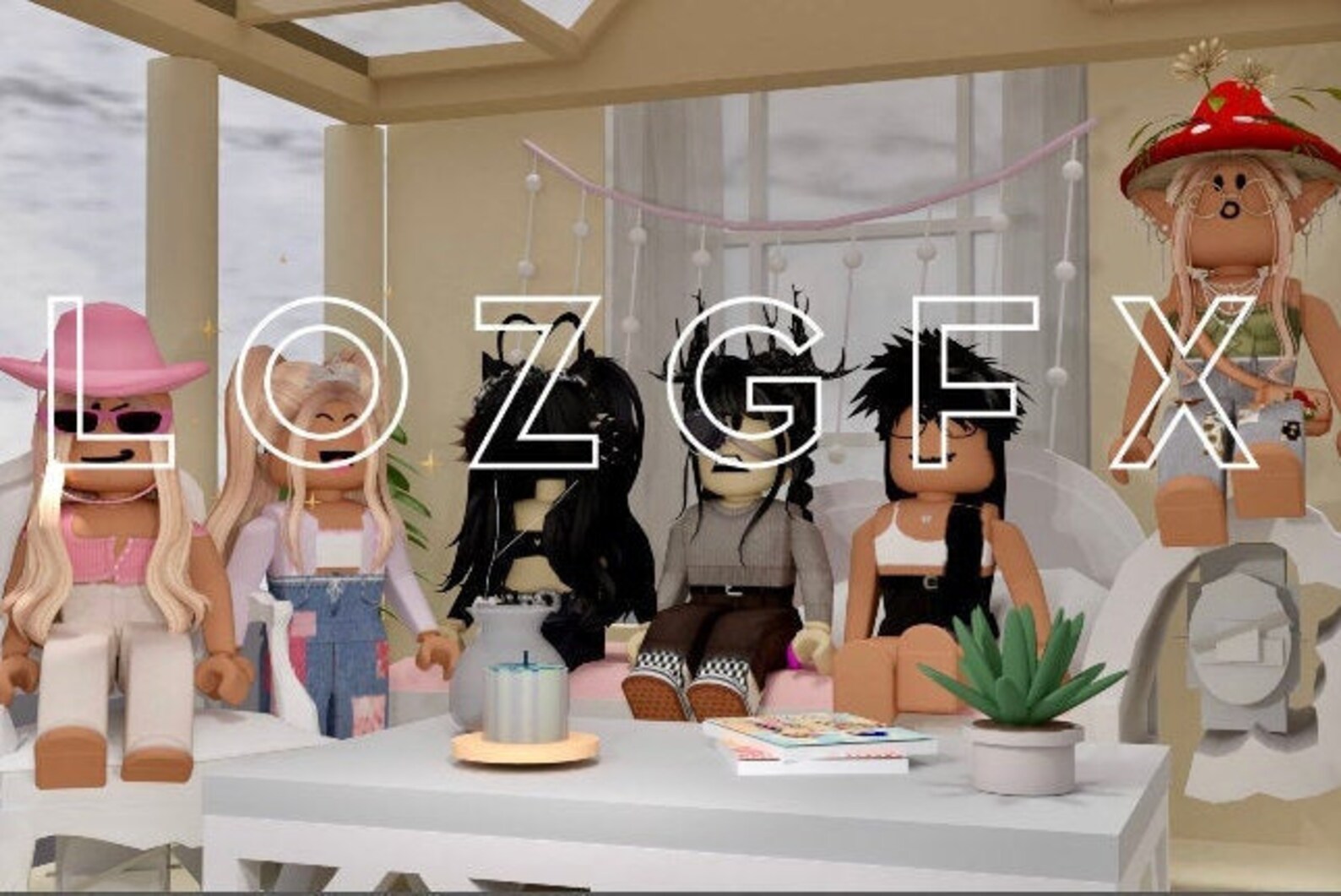
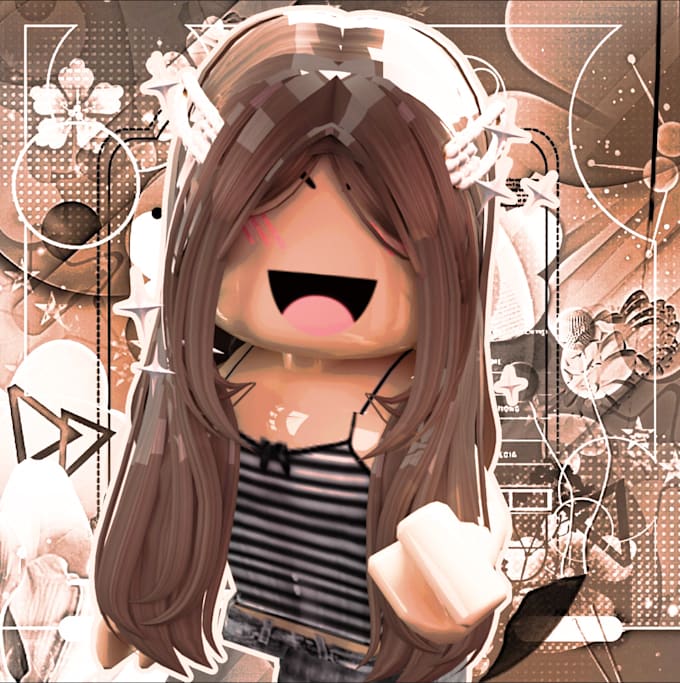
GFXs, or Graphics, in the Roblox context, refer to high-quality, usually rendered 2D images or 3D animations featuring Roblox characters and scenes. Unlike basic screenshots, GFXs are created using external 3D software like Blender, allowing for superior lighting, detailed textures, custom poses, and dramatic effects. For the busy gamer, GFXs are crucial because they make your profile, game thumbnails, and social media posts stand out instantly, enhancing your personal brand, attracting players to your experiences, and helping you connect more effectively with the vast Roblox community. Think of it as putting your best foot forward in a visually competitive digital world.
How do I get started with making my first Roblox GFX? What software do I need?
Getting started with Roblox GFXs is more accessible than you might think. The foundational software suite typically includes Roblox Studio for exporting models, Blender for 3D modeling, posing, lighting, and rendering (it's free and powerful!), and an image editor like Photoshop, GIMP (free), or Photopea (free, browser-based) for post-processing. Your first step is to download and install Blender. Then, practice exporting your Roblox character or scene elements from Studio and importing them into Blender. Many online tutorials can guide you through these initial setup stages effectively, making the learning curve smoother.
What are the best practices for posing my Roblox character to make it look dynamic?
Posing is where your Roblox GFX truly comes alive. Avoid stiff, default poses. Focus on conveying emotion or action relevant to your scene. Think about a story: is your character jumping, celebrating, exploring, or battling? Use Blender's rigging tools to manipulate limbs naturally. Pay attention to weight distribution, subtle tilts of the head, and expressive hand gestures. Experiment with different camera angles after posing to find the most impactful shot. A dynamic pose can transform a simple render into a captivating visual narrative, drawing viewers in and making them wonder about the adventure your character is on.
How can I achieve professional-looking lighting for my Roblox GFXs without being an expert?
Professional lighting is often the secret ingredient in stunning Roblox GFXs. You don't need to be an expert to make a huge difference. Start with a three-point lighting setup: a key light (main source), a fill light (softens shadows), and a back/rim light (creates separation from background). Utilize Blender's HDRI (High Dynamic Range Image) environments for realistic ambient lighting. Experiment with different light colors and intensities to set the mood—warm for cozy, cool for intense. Even subtle changes in light placement can dramatically alter the perception of depth and realism in your render, giving it that polished, studio-quality look.
Are there any common mistakes beginners make when creating Roblox GFXs and how can I avoid them?
Absolutely! One common mistake is neglecting proper rigging and posing, resulting in unnatural-looking characters. Always double-check joint rotations. Another is poor lighting, making renders look flat; always use multiple light sources. Beginners often forget post-processing; a touch of color correction, sharpening, or subtle effects in an image editor can elevate your GFX significantly. Lastly, low-resolution exports or poorly optimized renders can ruin the visual quality. Always render at a high resolution and ensure your Blender settings are optimized for quality, not just speed. Learning from these early pitfalls will accelerate your GFX journey.
What's the trick to making my Roblox GFXs look unique and stand out in the crowded Roblox community?
To truly stand out, focus on telling a unique story with each GFX. Instead of generic poses, incorporate elements specific to your favorite Roblox games, your custom avatar's personality, or current in-game events. Experiment with composition – the rule of thirds or leading lines can guide the viewer's eye. Don't shy away from custom textures or even subtle particle effects to add flair. Most importantly, develop a distinct personal style; maybe it's vibrant colors, a particular type of lighting, or a recurring theme. The more you infuse your own creativity and unique perspective, the more memorable your GFXs will become to the wider Roblox audience.
How can I optimize my Roblox GFX workflow when I have limited gaming time?
Optimizing your workflow is key for busy gamers. Start by creating a library of reusable assets: pre-rigged character models, common props, and favorite lighting setups. Utilize Blender's non-destructive editing features. Plan your GFX concept beforehand to minimize trial-and-error during creation. Focus on one element at a time—perfect the pose, then the lighting, then materials. Automate repetitive tasks if possible, and don't be afraid to use simple backgrounds if a complex scene takes too long. Remember, consistent small efforts are more effective than sporadic, lengthy sessions. Prioritizing efficiency ensures you can still enjoy creating stunning GFXs without sacrificing your precious gaming or family time.
As adult gamers, we know the grind. Juggling work, family, and life commitments often leaves little time for deep dives into game creation or advanced visual design. Yet, for many of us, Roblox isn't just a game; it's a creative outlet, a social hub, and sometimes even a side hustle. You've poured hours into your experiences, perfected your character's look, or simply want to show off that epic moment. But how do you make your creations truly pop in a crowded digital world? How do you grab attention and make your Roblox presence unforgettable without spending countless hours learning complex software?
You're not alone. Many US gamers, who make up roughly 87% of the population playing regularly—often dedicating 10+ hours a week—find themselves wanting to enhance their visual footprint. This is where Roblox GFXs come in, offering a pathway to stunning, professional-looking images of your characters and scenes. This comprehensive guide is built for the busy gamer like you. We’ll demystify the process of creating amazing GFXs, helping you cut through technical jargon and get straight to creating eye-catching visuals. Whether you're looking to upgrade your profile picture, create compelling thumbnails for your game, or even explore commission work, we'll cover the tools, techniques, and time-saving tips to help you succeed, all while balancing your life and budget. Let's transform your Roblox visuals and make your mark.
What Exactly Are GFXs in Roblox and Why Do They Matter to You?
GFXs, or Graphics, in the Roblox community, refer to high-quality, professionally rendered 2D images or sometimes 3D animations featuring Roblox characters and environments. Unlike simple screenshots, GFXs are crafted using specialized external 3D software. This allows for superior lighting, intricate textures, dynamic poses, and advanced visual effects that dramatically elevate the aesthetic quality. Why should this matter to a busy gamer? In 2026, where mobile gaming dominates and social interaction is key, a compelling visual presence is vital. GFXs are your secret weapon to make your avatar stand out on your profile, create irresistible thumbnails for your Roblox experiences, or generate buzz on social media. They help you connect more deeply, attract new players to your creations, and even express your unique gaming personality with flair.
What Essential Software Do I Need to Start Making Roblox GFXs?
Getting started with Roblox GFXs is surprisingly accessible, even for those balancing work and family. You'll primarily need three types of software, many of which are free. First, **Roblox Studio** is necessary to export your character and any desired props or parts of a build. Second, a 3D modeling and rendering program: **Blender** is the community favorite. It’s powerful, free, open-source, and has an immense library of tutorials. You'll use Blender for posing, lighting, applying materials, and rendering your final image. Third, an image editing program for post-processing: **GIMP** or **Photopea** (browser-based) are excellent free alternatives to paid software like Photoshop. These allow you to add final touches, color corrections, or text. Invest a little time in learning Blender's interface, and you’ll be rendering in no time.
How Can I Export My Roblox Character and Assets for GFX Creation?
Exporting your Roblox character and other assets is the crucial first step. It's simpler than it sounds. Open Roblox Studio and navigate to an empty baseplate or a desired game scene. To get your character, playtest the game (File > Play), then locate your character model in the Explorer tab (Workspace > YourUsername). Right-click on your model and select “Export Selection” to save it as an OBJ file. For other game assets, you can select them directly in the Workspace and export them similarly. If you need a specific pose from a game, you might have to capture the character model mid-animation, but often, just the raw model is enough as you'll pose it in Blender. Remember to export textures separately if needed, though Blender often handles basic texture mapping automatically with OBJ files.
What Are the Best Practices for Posing and Scene Setup in GFXs?
Posing is where your GFX truly comes alive and tells a story. Avoid stiff, unnatural poses. Think about the emotion or action you want to convey: excitement, contemplation, battle readiness? Use Blender's armature (rigging) to manipulate limbs fluidly. Pay attention to subtle details like hand gestures, slight head tilts, and the natural flow of clothing. For scene setup, consider the 'rule of thirds' for composition; don't just center everything. Create depth by adding elements in the foreground, middle ground, and background. Don't overcrowd the scene, but use props to enhance the narrative. A well-composed scene with a dynamic pose instantly captures attention, making your GFX memorable for busy gamers scrolling through content.
How Do I Achieve High-Quality Lighting and Materials in My Roblox GFXs?
Superior lighting and materials are what transform a basic render into a professional GFX. Start with a classic **three-point lighting setup**: a **key light** (your primary, strongest light source), a **fill light** (softer, to reduce harsh shadows), and a **back or rim light** (highlights edges, separating your subject from the background). Experiment with color temperatures for mood—warm tones for cozy, cool for dramatic. Utilize High Dynamic Range Images (HDRIs) in Blender for realistic ambient lighting that subtly colors your scene and reflections. For materials, explore Physically Based Rendering (PBR) workflows. This means using separate texture maps (albedo, normal, roughness, metallic) to simulate how light interacts with surfaces realistically. Even simple materials can look stunning with good lighting. Mastering these elements will give your GFXs a polished, magazine-quality finish.
What Are Common Pitfalls to Avoid When Rendering Roblox GFXs?
Even seasoned gamers can stumble on common GFX pitfalls. One frequent issue is **poor rigging**, leading to distorted or unnatural-looking limbs. Always double-check your rig's weight painting. Another is **flat, uninteresting lighting**, which makes renders look dull; always use multiple light sources with varying intensities and colors. **Ignoring post-processing** is a missed opportunity; a few tweaks in an image editor can significantly enhance colors, sharpness, and overall impact. **Low-resolution renders** or **incorrect aspect ratios** can make your GFX appear pixelated or poorly framed. Finally, **over-reliance on default settings** will make your GFX look generic. Be brave, experiment with custom materials, camera angles, and rendering options. Avoiding these traps will dramatically improve your output and save you time in the long run.
Can I Make Professional Roblox GFXs on a Budget or for Free?
Absolutely! The beauty of Roblox GFXs is that you can achieve professional results without spending a dime. As mentioned, **Blender** is free, as are powerful image editors like **GIMP** and **Photopea**. Roblox Studio itself is free. You can find countless free tutorials on YouTube and dedicated GFX communities that guide you through every step. Many creators also share free assets like custom rigs, lighting setups, or textures. The only true cost is your time and dedication. While premium assets or software subscriptions can offer conveniences, they are by no means a requirement for producing high-quality GFXs. This makes GFX creation an ideal hobby for budget-conscious gamers who still want to make a big impact.
How Can GFXs Help Me Connect with the Roblox Community and Beyond?
In today's social-centric gaming world, GFXs are a powerful tool for connection. With 87% of US gamers engaging regularly, often spending 10+ hours weekly, standing out visually is key. High-quality GFXs on your Roblox profile or social media act as conversation starters, attracting like-minded players and potential collaborators. They make your game thumbnails irresistible, boosting visibility and player counts. Sharing your GFX work on platforms like Discord or Twitter not only showcases your artistic skills but also allows you to receive feedback, learn from others, and build a network. Some gamers even turn their GFX skills into a side hustle, taking commissions for profile pictures or game banners, bridging their passion for gaming with a creative income stream. GFXs are more than just images; they're a bridge to deeper community engagement.
What are the Latest Trends in Roblox GFX Design for 2026?
The Roblox GFX scene in 2026 is constantly evolving, influenced by major gaming trends like mobile dominance and social interaction. We're seeing a surge in **
Master Roblox GFX creation for impressive visuals. Learn essential software and techniques for professional renders. Optimize workflow for busy gamers. Discover free and budget-friendly resources. Troubleshoot common GFX issues efficiently. Elevate your Roblox profile and game promotion. Explore GFX commission opportunities.
35


5 Tips On How To Transform You Re GFXS Roblox GFX YouTube . 100 GFXs Ideas In 2025 Roblox Profile Picture Custom Theme . Making Roblox Avatars Into GFXS For Only 400 500 Robux D Dm Me If You Making Roblox Avatars Into Gfxs For Only 400 500 Robux D Dm V0 . ArtStation Roblox GFXs I Have Made Vicky Lans Send 1 . 100 Unofficial Roblox Annual 2026 Brand New For 2025 The Iconic SL1500



How Much Would You Pay For GFXs Creations Feedback Developer Forum 2 1024x576 . 120 GFXs Ideas In 2026 Roblox Profile Picture Graphic Design . I Used To Do Roblox GFX Here Were Some Of My Favorites R I Used To Do Roblox Gfx Here Were Some Of My Favorites V0 . Happy 2026 Roblox Animation YouTube . How To Start Making ROBLOX GFXs BASICS In Making GFX For Beginners


Roblox Gfx S Etsy Il 2cui . How To Make A ROBLOX GFX In 2025 YouTube . My First Few GFXs Creations Feedback Developer Forum Roblox 2 1000x1000 . Make Youtube Thumbnails And Gfxs For Roblox Videos By Lushco Fiverr Make Youtube Thumbnails For Roblox Videos And Gfxs . Roblox Gfx S Etsy Il Gp77



Roblox New Year 2026 Saves Compilation TikTok Img. Fruit S Roblox GFXs YouTube C K C0x00ffffff No Rj. A Tour Of ALL My ROBLOX GFXS 250 GFX COLLECTION Mxddsie YouTube . 15 Game Roblox Horror Terbaik 2026 15 Game Roblox Horror Terbaik 2026 Paling Seram And Bikin Deg Degan 7f944699ce . HOW TO START MAKING ROBLOX GFXS WITH THIS NEW RIG YouTube




FREE Roblox GFXS GIVEAWAY Links Floraliiq YouTube . Roblox New 2026 Logo Roblox Reels Humbled Gamer Facebook Media. Make Roblox Gfxs And Other Related Things By Fiverr Make Roblox Gfxs And Other Related Things . How To Message On Roblox 2026 A Quick Guide . Daftar Game Roblox Paling Seru Di 2026 Yang Bikin Ketagihan Dijamin Daftar Game Roblox Paling Seru Di 2026 Yang Bikin Daftar Game Roblox Paling Seru Di 2026 Yang Bikin


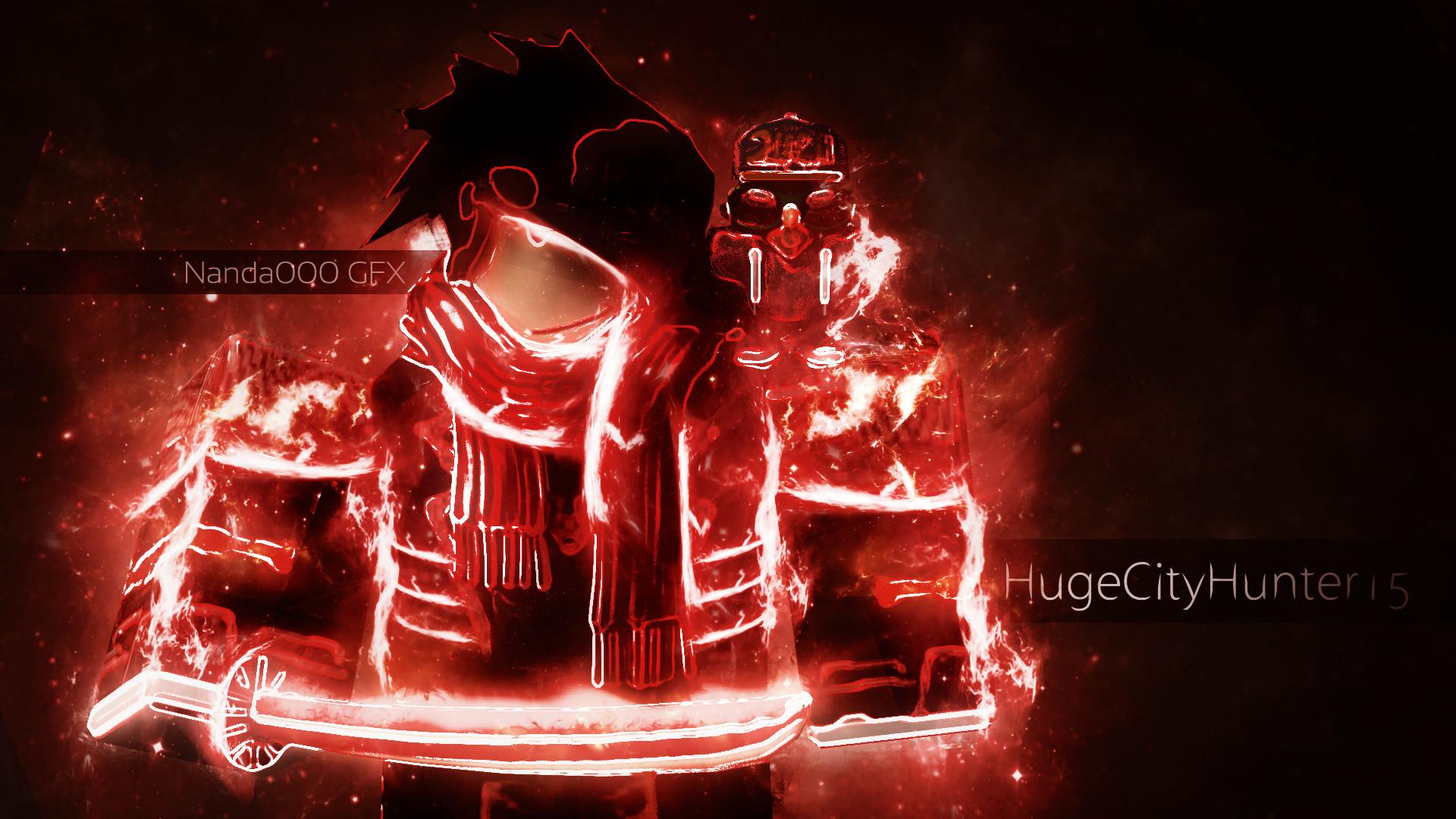
Make Roblox Gfxs For A Small Amount By Fiverr Make Roblox Gfxs For A Small Amount . Rekomendasi 30 Game Roblox Terpopuler 2026 Yang Menarik Dan Harus Rekomendasi 30 Game Roblox Terpopuler 2026 Yang Menarik Dan Harus Dimainkan Seka 15a997 . What Are The Latest GFXS That You Have Made Reuploaded Creations 2 690x388 . Create Custom Roblox Gfxs And Banners By Roblx Services Fiverr Create Custom Roblox Gfxs And Banners . Roblox GFX Wallpapers Wallpaper Cave Wp4686974


Free Gfxs How To Make Roblox Gfx . How To Improve Your Textures For Your ROBLOX GFXs In Blender And PS . Making FREE GFXS For My Viewers GFX Roblox YouTube . GameJobId Roblox Explained What Is It Maxres2 . Live Stream Playing Roblox And Making Gfxs YouTube