Unpack the complex relationship between video games and your brain in 2026. This comprehensive guide explores how does gaming affect your brain, delving into proven cognitive benefits like enhanced problem-solving, quicker reaction times, and improved spatial awareness. Discover the neuroplastic changes fostered by consistent play and understand how specific game genres can target different mental faculties. We also navigate the potential drawbacks, including sleep disruption, eye strain, and the nuanced topic of gaming addiction, offering practical insights for maintaining brain health. This informational resource helps gamers and parents alike understand the science behind digital play for optimized mental well-being and peak cognitive performance. Get ready to game smarter with cutting edge insights and expert analysis for the modern PC gamer.
Related games- Is Roblox Server Down? Quick Fixes & Status Guide
- Guide How To Join Someone In Roblox Without Being Friends
- Guide to Build Your PC Website for Gamers 2026
- How Many Play Understanding Gamer Trends 2026
- Guide to Gaming Keyboards with Joysticks
The PC gaming landscape in 2026 is more vibrant and immersive than ever, with advancements in AI, ray tracing, and virtual reality pushing boundaries. As millions flock to new titles, a pressing question remains: how does gaming affect your brain? This isn't just academic curiosity; it's a critical inquiry for both enthusiasts and parents navigating the digital age. From enhancing cognitive functions to posing potential risks, the impact of gaming is multifaceted. This guide will deep dive into the neurological changes, psychological effects, and practical considerations for harnessing gaming's power responsibly. We will answer crucial questions like how gaming improves decision-making, what are the risks of excessive play, and how to optimize your gaming habits for maximum brain benefits. We'll cover everything from neuroplasticity to mental health, offering a balanced perspective on this powerful medium. With gaming now a mainstream cultural force, understanding its true neurological footprint is more vital than ever.
How Does Gaming Impact Our Minds? Detailed Q&A
What specific brain regions are activated by video games?
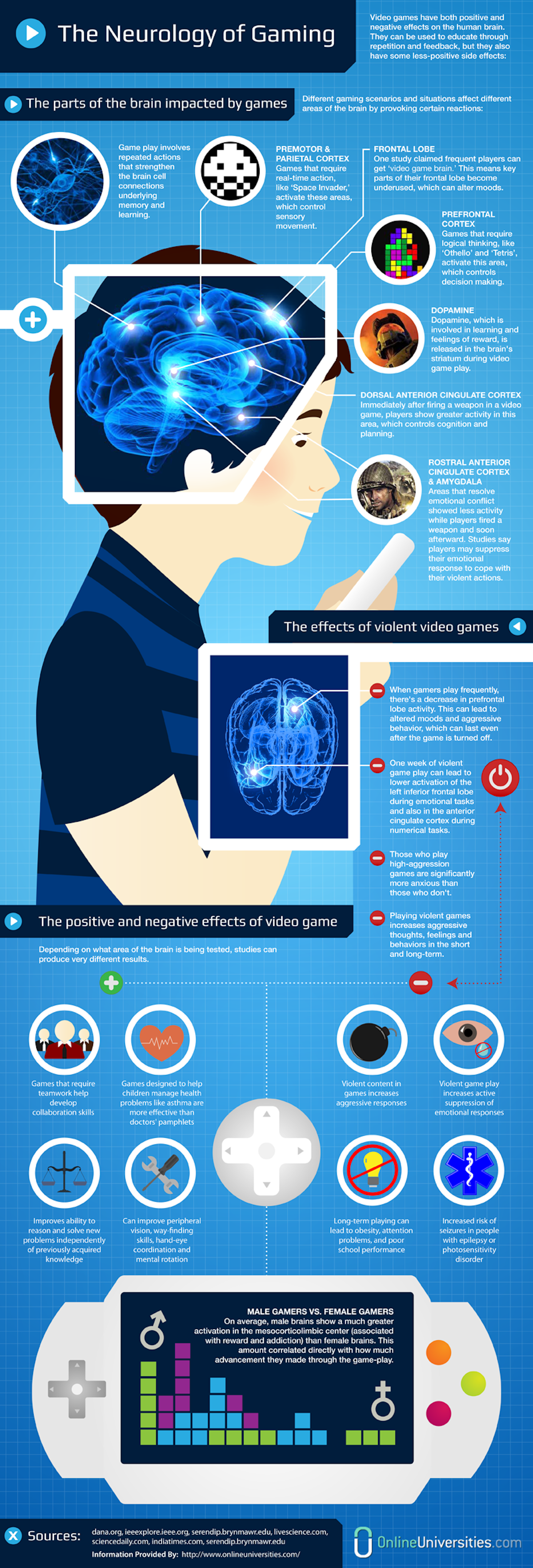
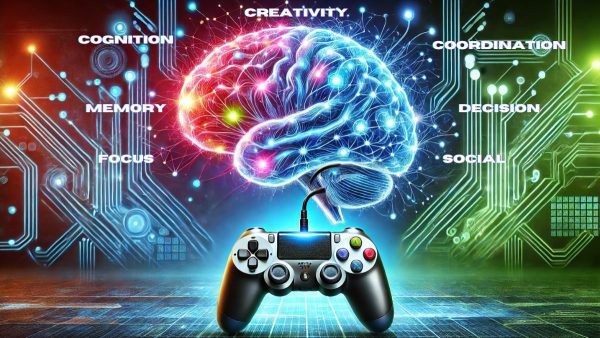
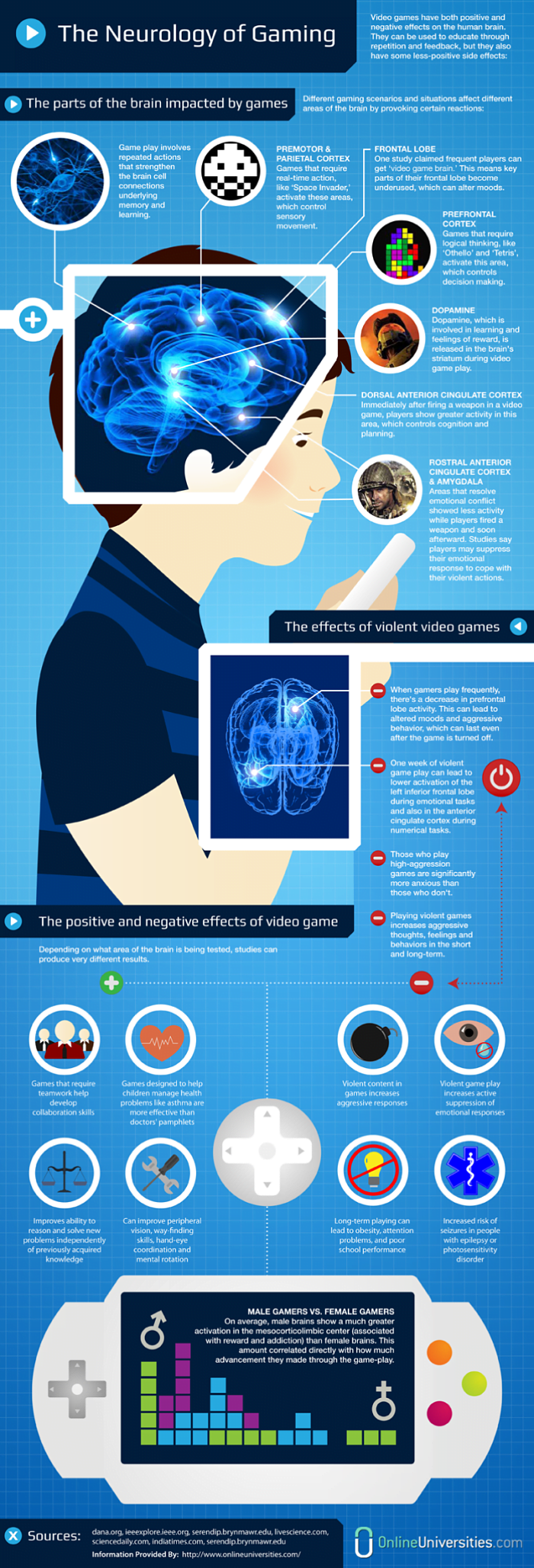
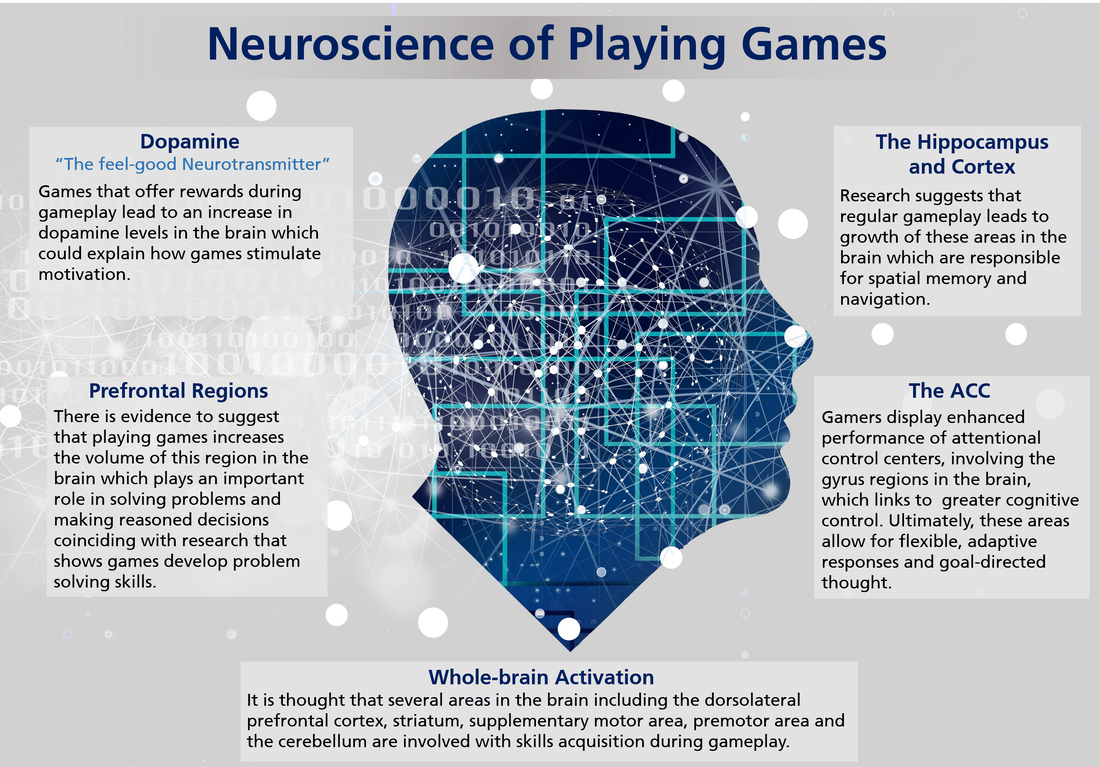
Video games engage a broad network of brain regions, with activity varying by genre. The prefrontal cortex, crucial for planning and decision-making, is highly active during strategy games. The hippocampus, involved in memory and navigation, lights up during open-world exploration. The parietal lobe, responsible for spatial awareness and attention, and the motor cortex, controlling movements, are heavily engaged during action games. These areas collectively process visual stimuli, strategize, execute commands, and form memories of in-game experiences. This widespread neural engagement demonstrates the complex cognitive demands games place on the brain.
Can gaming actually improve cognitive functions like memory and attention?
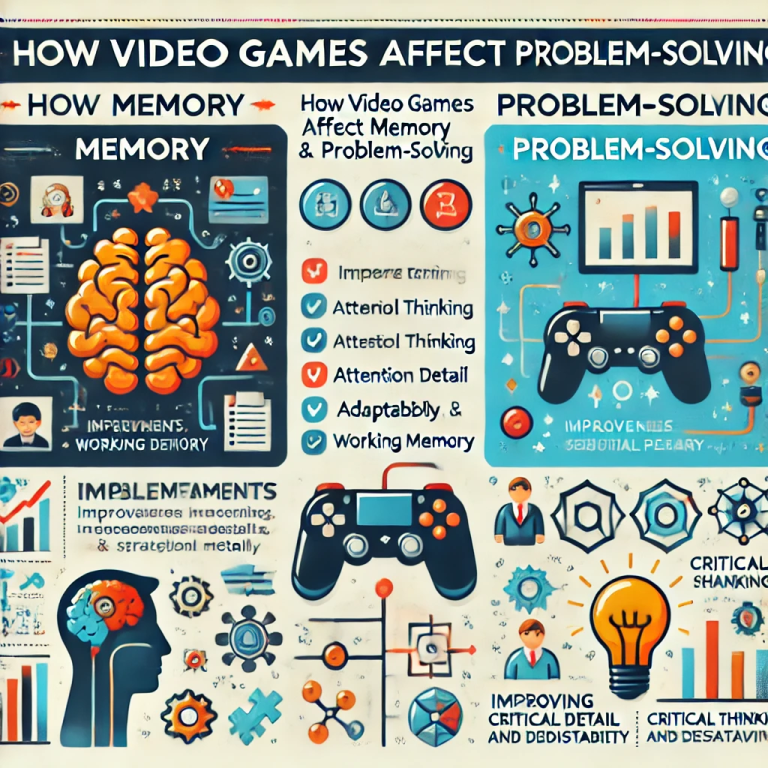
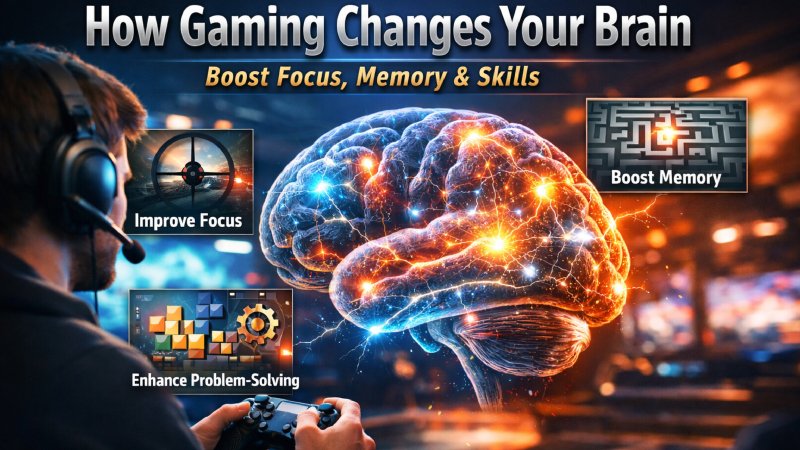
Yes, gaming can significantly improve certain cognitive functions. Action games are known to enhance selective attention, allowing players to filter out distractions and focus on critical information, and improve working memory. Puzzle and strategy games, on the other hand, bolster long-term memory, planning skills, and problem-solving abilities by requiring players to remember rules, strategies, and intricate details over extended periods. Regular engagement strengthens these neural pathways, leading to measurable cognitive gains. For instance, studies have shown that consistent play can increase grey matter in areas associated with spatial navigation, memory formation, and strategic planning.
How does gaming influence decision-making under pressure?
Gaming, particularly fast-paced or strategic genres, excels at training decision-making under pressure. Players are routinely presented with rapidly evolving situations requiring quick analysis, risk assessment, and immediate action. This constant demand for swift choices, often with immediate consequences, hones the brain's ability to process information efficiently and execute decisions quickly. Competitive gamers, for example, exhibit significantly faster and often more accurate decision-making capabilities compared to non-gamers, a skill directly transferable to high-stakes real-world scenarios. This training optimizes neural pathways involved in rapid information processing and response selection.
What are the psychological benefits of engaging with online multiplayer games?
Online multiplayer games offer substantial psychological benefits, primarily fostering social connection and teamwork. Players collaborate towards shared goals, developing communication skills, leadership, and camaraderie. These virtual social interactions can reduce feelings of loneliness and provide a sense of belonging, especially for individuals who might struggle with traditional social settings. Furthermore, overcoming challenges together can boost self-esteem and provide a positive feedback loop, reinforcing social bonds and cooperative behaviors. The ability to connect with friends across distances also enhances social support networks.
Are there different brain impacts depending on the game genre (e.g., puzzles vs. FPS)?
Absolutely, different game genres stimulate distinct cognitive pathways. Puzzle games primarily engage the prefrontal cortex, enhancing logical reasoning, planning, and memory. First-person shooters (FPS) heavily utilize the parietal lobe and motor cortex, improving reaction time, spatial awareness, and selective attention. Role-playing games (RPGs) can boost narrative comprehension, empathy through character immersion, and strategic thinking. Simulation games often enhance resource management and predictive skills. The specific cognitive workout depends directly on the demands of the game's mechanics, proving that a varied gaming diet can offer a more holistic brain exercise.
How can parents and gamers ensure healthy gaming habits for optimal brain health?
Ensuring healthy gaming habits involves setting clear boundaries and promoting balanced lifestyles. Parents should establish reasonable time limits and encourage breaks, ensuring gaming doesn't displace sleep, physical activity, or schoolwork. Gamers themselves can practice mindful play by being aware of how they feel and adjusting habits. Diversifying activities, including outdoor play and social interactions, is crucial. Using parental control tools, discussing in-game behavior, and leading by example with balanced screen time all contribute to a positive gaming environment that supports optimal brain health and development.
What are the signs of problematic gaming, and when should professional help be considered?
Signs of problematic gaming, often termed "gaming disorder," include impaired control over gaming time, increasing priority given to gaming over other life interests and daily activities, and continuing or escalating gaming despite negative consequences. These consequences might involve academic failure, job loss, social isolation, or severe sleep deprivation. If these patterns persist for 12 months or more, and cause significant distress or impairment in major life areas, professional help from a therapist specializing in behavioral addictions should be considered. Early intervention can prevent more severe impacts.
Does gaming enhance creativity and problem-solving skills?
Yes, gaming can significantly enhance creativity and problem-solving skills. Sandbox games like "Minecraft" or "Kerbal Space Program" explicitly encourage creative construction and innovative solutions within a virtual environment. Even games with structured objectives often require out-of-box thinking to overcome obstacles or devise optimal strategies. This constant engagement with dynamic challenges stimulates neural pathways associated with divergent thinking and adaptive problem-solving, making players more adept at generating novel ideas and finding effective solutions in diverse contexts, both within and outside the game world.
Can gaming be used therapeutically for conditions like ADHD or depression?
Gaming shows promising therapeutic potential for various conditions. For individuals with ADHD, certain games can help improve focus, attention, and impulse control by providing structured, engaging tasks. For depression, multiplayer online games can offer social connection, a sense of achievement, and a distraction from negative thought patterns. Specialized "serious games" are also being developed and clinically tested to target specific cognitive deficits or psychological symptoms, serving as adjuncts to traditional therapy. However, it's crucial these applications are guided by mental health professionals to ensure efficacy and prevent adverse effects.
How does gaming influence mood and emotional regulation?
Gaming can profoundly influence mood and emotional regulation. For many, it's a source of enjoyment, stress relief, and a way to unwind, boosting positive emotions. Achieving in-game goals can provide a sense of accomplishment and increase self-esteem. However, excessive or competitive gaming can also lead to frustration, irritability, and anxiety, especially when performance is low or when losing. Developing good coping mechanisms for in-game setbacks and maintaining a balanced perspective on wins and losses are crucial for ensuring gaming contributes positively to emotional well-being rather than causing distress.
Conclusion: Mastering the Brain-Game Balance
Understanding how gaming affects your brain reveals a complex interplay of cognitive enhancements and potential pitfalls. From boosting critical thinking and spatial awareness to requiring vigilance against overconsumption and sleep disruption, the impact is undeniable. The key takeaway for 2026 is that mindful, balanced engagement allows us to harness the incredible power of video games for personal growth and mental acuity. It's about optimizing your play for performance, not just in-game, but in life. Continue to explore, learn, and adapt your gaming habits to truly master the brain-game balance. Share your favorite PC game that you feel has enhanced your cognitive skills in the comments below!
Additional FAQs
Does gaming help with memory recall?
Gaming can improve certain aspects of memory, particularly working memory and spatial memory. Many games require players to remember objectives, navigate complex maps, and recall item locations or character abilities. This continuous practice strengthens the neural pathways associated with memory encoding and retrieval, leading to more efficient recall in both gaming contexts and daily life tasks requiring similar cognitive demands.
What brain areas does gaming activate most intensely?
Gaming intensely activates areas like the prefrontal cortex for strategic thinking, the parietal lobe for spatial processing and attention, and the motor cortex for executing actions. The hippocampus is also highly engaged for memory formation and navigation. The specific intensity varies greatly based on game genre and individual player engagement, but these regions consistently show heightened activity.
Is gaming beneficial for older adults' cognitive health?
Yes, gaming shows significant promise for older adults' cognitive health. Games can help maintain cognitive flexibility, improve reaction times, and enhance problem-solving skills, potentially mitigating age-related cognitive decline. Studies suggest that certain games can even improve memory and attention in seniors, offering an engaging way to keep the brain active and challenged, contributing to overall mental well-being.
Can gaming reduce stress and anxiety effectively?
For many, gaming serves as an effective stress reliever, offering a temporary escape from daily pressures and a sense of control and accomplishment. Engaging in enjoyable games can reduce anxiety by diverting attention and providing a relaxing experience. However, highly competitive or excessively played games can sometimes increase stress or anxiety, so moderation and genre selection are key to using gaming for mental calm.
How Does Gaming Affect Your Brain 2026 The Real Impact
As an experienced PC gaming journalist and enthusiast who has spent countless hours exploring digital worlds and fine-tuning my rigs, I often ponder the deeper implications of our hobby. Specifically, I've seen firsthand and researched extensively how does gaming affect your brain. This isn't just about entertainment; it's about a dynamic interaction that can profoundly reshape cognitive functions. In this guide, we'll dive into the latest understanding of gaming's neurological effects, covering everything from proven benefits to potential risks, all from the perspective of someone who truly understands the passion and pursuit of PC gaming.
The Positive Cognitive Boost from Gaming
Modern gaming is far more than simple button mashing; it’s a demanding cognitive workout. Our brains are constantly adapting, and video games provide a unique environment for this neuroplasticity.
Enhanced Problem-Solving and Decision Making
Gaming significantly hones your problem-solving and decision-making abilities. Strategy games like "StarCraft II" or complex RPGs such as "Cyberpunk 2077" demand players analyze intricate scenarios, anticipate outcomes, and adapt strategies in real-time. This translates to faster and more effective critical thinking in real-world situations, pushing your brain to process information under pressure, a skill invaluable in competitive environments.
Improved Attention and Focus
First-person shooters (FPS) like "Valorant" or "Call of Duty" require intense, sustained attention, often splitting focus between multiple on-screen elements while filtering out distractions. This trains the brain to selectively attend to relevant stimuli and maintain focus over prolonged periods, improving both selective attention and sustained attention capacities, crucial for tasks requiring deep concentration.
Boosting Spatial Awareness and Reflexes
Whether navigating complex 3D environments in an open-world title or reacting instantly to threats in a high-octane action game, gaming directly enhances spatial awareness and reaction times. Studies show that gamers often exhibit superior hand-eye coordination and faster processing speeds. For instance, competitive FPS players consistently demonstrate reaction times several milliseconds faster than non-gamers, showcasing a tangible neurological adaptation.
Understanding the Potential Downsides
While the benefits are compelling, it's crucial to acknowledge the potential downsides associated with certain gaming habits. A balanced approach is key to harnessing gaming's power without negative repercussions.
Impact on Sleep Patterns and Eye Strain
Extended gaming sessions, especially late at night, can significantly disrupt circadian rhythms due to blue light exposure from screens and the stimulating nature of gameplay. This can lead to difficulties falling asleep and reduced sleep quality. Furthermore, prolonged screen time without breaks can cause digital eye strain, characterized by dry eyes, blurred vision, and headaches, demanding conscious breaks and proper screen ergonomics.
The Risk of Gaming Addiction
For a small percentage of individuals, gaming can develop into a problematic behavior, often referred to as "gaming disorder" by the WHO. This involves impaired control over gaming, prioritizing gaming over other life activities, and continuing despite negative consequences. It’s important to recognize signs like neglecting responsibilities, social isolation, and extreme irritability when unable to play, and seek help if these patterns emerge.
Social and Emotional Regulation
While online multiplayer games can foster social connections, excessive solitary gaming may sometimes lead to reduced face-to-face social interaction. Additionally, the competitive nature of some games can lead to frustration or aggression if not managed properly, impacting emotional regulation. A healthy gaming lifestyle integrates virtual social experiences with robust real-world relationships and emotional self-awareness.
How Does Gaming Affect Your Brain A Balanced Approach
To maximize gaming's positive impact and mitigate risks, intentional strategies are essential. It's about playing smart, not just playing hard.
Moderation and Mindful Play
The core principle is moderation. Setting time limits, incorporating regular breaks (e.g., 10-15 minutes every hour), and ensuring gaming doesn't displace essential activities like sleep, exercise, and social interaction are vital. Mindful play involves being aware of how you feel during and after gaming, and adjusting habits accordingly.
Choosing the Right Games
Different genres offer different cognitive benefits. To improve problem-solving, lean into strategy or puzzle games. For reflexes, action or competitive titles are excellent. For creative expression, sandbox games shine. Diversifying your gaming portfolio can lead to a more holistic brain workout, engaging a broader range of neural pathways.
Gaming and Your Brain FAQs
Does gaming make you smarter overall?
Gaming can enhance specific cognitive skills like problem-solving, attention, and spatial reasoning, contributing to a form of practical intelligence. While it doesn't universally increase IQ, the targeted mental exercises games provide can make players more adept at processing information and reacting quickly in complex situations, demonstrating improved functional intelligence.
Can video games improve reaction time significantly?
Yes, especially action-packed video games like first-person shooters demonstrably improve reaction times. Players develop quicker visual processing and motor responses to rapidly changing stimuli. Consistent engagement with these genres can lead to measurable enhancements in hand-eye coordination and speed of decision-making, translating to milliseconds faster responses.
Is too much gaming bad for your eyes?
Prolonged gaming without breaks can contribute to digital eye strain, causing symptoms like dry eyes, blurred vision, and headaches. While it generally doesn't cause permanent damage, it's essential to follow the 20-20-20 rule (every 20 minutes, look at something 20 feet away for 20 seconds) and ensure proper screen distance and lighting to minimize discomfort.
How can I balance gaming and other life responsibilities?
Balancing gaming requires setting clear time limits and adhering to them, prioritizing sleep and physical activity, and ensuring social interactions aren't neglected. Scheduling specific gaming times, using parental controls for self-management, and identifying when gaming interferes with work or relationships are effective strategies for maintaining a healthy balance.
Do puzzle games offer different brain benefits than action games?
Absolutely. Puzzle games like "Portal" or "Tetris" primarily enhance logical reasoning, planning, and memory, building cognitive flexibility. Action games, conversely, excel at improving reaction time, spatial awareness, and selective attention. A diverse gaming diet that includes both genres provides a more comprehensive cognitive workout for different brain functions.
Gaming enhances problem-solving attention and reflexes. It can improve spatial awareness and memory. Potential drawbacks include sleep disruption and eye strain. Moderation and mindful game selection are crucial for brain health. Gaming stimulates brain plasticity leading to adaptative changes in cognitive functions. Understand the neurobiological impact of extended play sessions. Learn to balance virtual worlds with real-world responsibilities for optimal well being.
34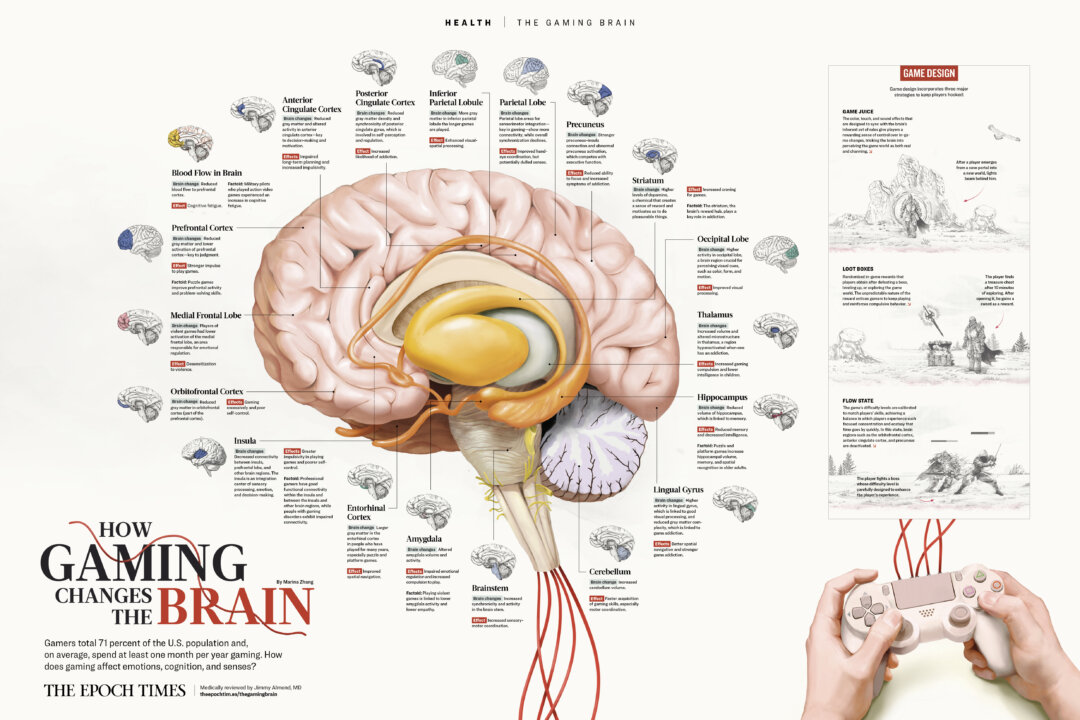
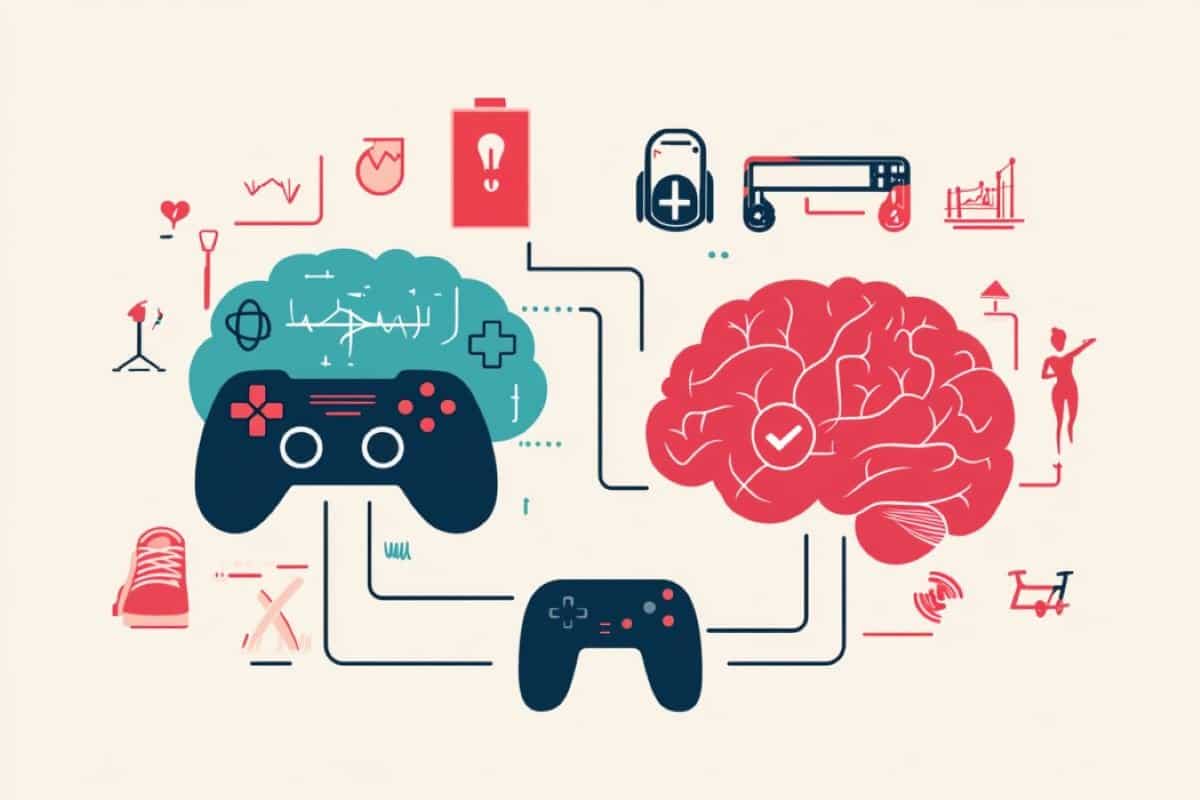
INFOGRAPHIC How Gaming Changes The Brain The Epoch Times Id5821306 3 2 0306 1080x720 . 10 Must Try Fitness Tendencies For 2026 The Final Word Guide To Whats Video Games Brain Abstract . Video Game Addiction Symptoms 15 Signs It S Time To Hit Reset Lume Blog Image. Playing Video Games Is Good For Your Brain Here S How Fwfpr2fb 1415639547 . How Does Gaming Physically Change The Brain Com Bhtqob O0hd2bbiu 76r8



Can Gaming Boost Your Brain Does Gaming Improve Cognitive Skills The Impact Of Video Games On Cognitive Development In Children 1 . 7 Positive Effects Of Video Games On The Brain GamesCard Net Video Games 600x338 . Effects Of Video Games On The Brain Infographic AnsonAlex Com Effect Video Games Brain Infographic . Gaming Benefits Your Brain On Video Games AdobeStock 401518352 Min . Serotonin And Gaming How Video Games Affect Brain Chemistry 2026 Serotonin Gaming Brain 750x469

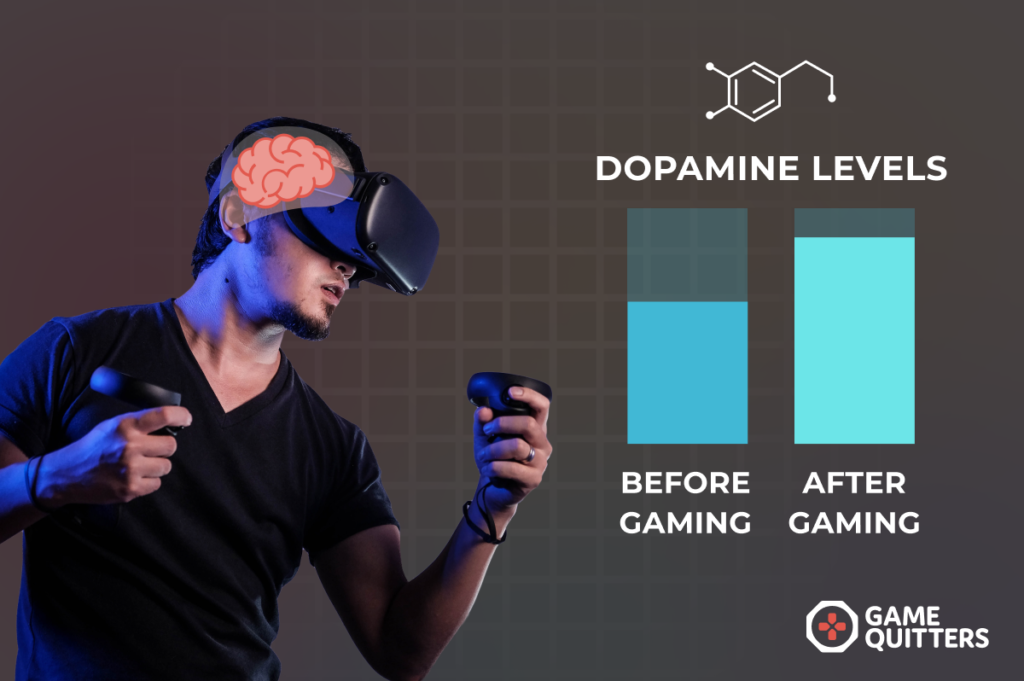
Impact Of Video Games On Cognitive Development In Children Video Games Affect Memory Title 768x768 . How Gaming Affects The Brain Boost Focus Memory How Gaming Affects The Brain . Research Essay John Sanders 1939349 Orig . Video Games Boost Cognition Exercise Improves Mental Health Cognition Gaming Exercise Mental Health . How Does Gaming Affect Your Brain At Naomi Brown Blog Gaming And Dopamine Levels 1024x681
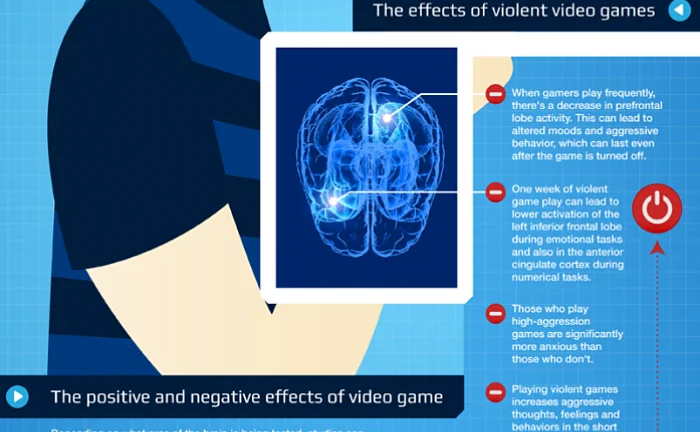

Mind At Play The Psychology Of Video Games Effect Video Games Brain Infographic 700x432 .webp. Do Video Games Affect The Brain Positively LWLWY 3 0 . How Does Playing Video Games Actually Affect Your Brain And Well How Do Video Games Affect The Brain . How Do Video Games Help Your Brain 5 Science Backed Ways The Gamer Unnamed 28 . How Do Video Games Affect The Brain By Hayden Lambert On Prezi 3 0


Gaming Effects At Alice Hager Blog Gaming Brain . How Gaming Affects The Brain Risks And Overview How Gaming Affects The Brain Risks And. Violent Video Games Effects On The Brain Videogames Cognitive Performance 11092022 801389352 1131560859 . How Gaming Affects The Brain ScookieGeek Science Explained How Gaming Affects The Brain ScookieGeek . Violent Video Games Effects On The Brain New Australian Research Mqdefault


Ever Wondered What Playing Video Games Does To Your Brain Frontiers Main . How Does Gaming Affect Your Brain At Naomi Brown Blog . How Board Games Affect The Brain 0 . How Does Gaming Affect Brain Function Com Qh . Can Gaming Boost Your Brain Does Gaming Improve Cognitive Skills Kn4ev.qR4e Small Do Video Games Improve Cogn


What Is Keyboard Latency And How Does It Affect Gaming Performance 2026 Best Gaming Keyboards That Will Blow Your Mind 2025 1 1024x576 . Can Gaming Boost Your Brain Does Gaming Improve Cognitive Skills 2023 Improve Cognitive Skills TWG 2 1024x1024 . Online Gaming Addiction Statistics Video Game Addiction Infographic . Inside The Mind Of The Gamer Games Based Learning Picture13 Orig